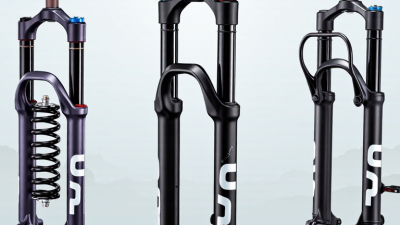
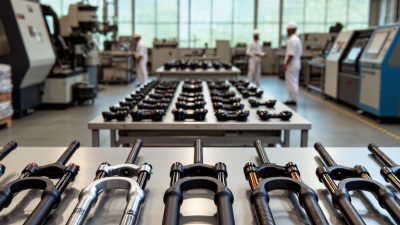
Top 10 Types of Cycle Forks for Every Riding Style
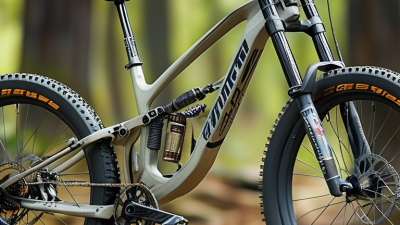
A Cycle Fork does more than hold the front wheel. It helps shape steering, comfort, and control across changing surfaces. A rigid fork can feel direct on smooth pavement, while a suspension fork absorbs repeated impacts on rough trails. The difference becomes clear when a front tire meets a curb, loose gravel, or a root-strewn descent. Small part. Big effect.
PeopleForBikes’ 2023 U.S. Bicycling Participation Report estimated that 112 million Americans rode bicycles in 2022. That broad participation includes many riding styles, but it does not tell us which forks riders prefer. Fork choice still depends on the bike, terrain, fit, and personal priorities. This guide explores ten common types, from rigid and suspension designs to gravel, fat-bike, and specialized forks. The categories are not perfectly neat: materials and functions can overlap. A carbon fork, for example, may also be designed for road or gravel riding.
Each type brings trade-offs. More suspension can add comfort, but it may also add weight and maintenance. A lightweight rigid fork can feel efficient, yet rough ground may punish the hands. There is no universal winner. The right choice is the one that suits the ride you actually take—not an idealized one. Fit matters more. We’ll compare the practical strengths and limits of each fork, so you can make a more informed choice before upgrading or buying a bike.
What a Bicycle Fork Does and How It Affects Handling
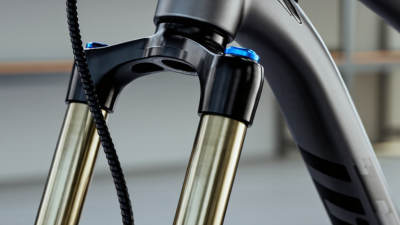
A bicycle fork connects the front wheel to the frame and turns with the handlebars. It supports the wheel, helps absorb bumps, and influences how the bike steers. That sounds simple. Yet small changes in fork length, angle, and offset can noticeably alter handling. A longer fork may raise the front of the bike, shifting weight rearward. The steering can feel slower, especially on tight turns. A shorter, steeper setup often feels more responsive, though it may seem twitchy at speed.
Rigid forks are light and direct, passing more road texture to the rider. Suspension forks compress over rough ground, helping the front tire stay in contact with uneven trails. That added movement can improve comfort and control, but it also adds weight and requires setup. Fork offset—the distance between the steering axis and axle—affects how the wheel tracks through turns. Tire clearance matters, too. It is easy to blame a fork for vague steering when tire pressure or fit may be the real cause. I still find that detail easy to overlook.
Tips: Check the fork’s permitted wheel and tire sizes before changing parts. Test handling at a familiar, low-traffic pace after adjustments. Notice braking, cornering, and bumps separately; one ride may not tell the whole story.
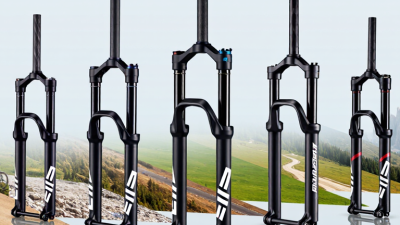
Top 10 Types of Bicycle Forks for Every Riding Style
What a bicycle fork does—and how suspension travel can affect handling, comfort, and control.
How to read this chart: Bars show a representative travel value in millimeters. More travel can help absorb larger impacts, while rigid and short-travel forks generally provide a firmer, more direct feel. Typical ranges vary by fork and bike design: rigid, 0 mm; gravel, 30–50 mm; trekking, 50–80 mm; dirt jump, 80–100 mm; cross-country, 100–120 mm; downcountry, 120–140 mm; trail, 130–150 mm; enduro, 160–180 mm; freeride, 180–200 mm; downhill, 190–203 mm. These are typical ranges, not standardized measurements.
How Forks Differ by Suspension, Material, and Design
A cycle fork does more than hold the front wheel: it shapes steering, comfort, and control. Rigid forks transfer bumps directly to the rider, but they are light, simple, and easy to maintain. Steel can soften road chatter slightly, while aluminum often feels firmer. Carbon can reduce weight and vibration, though its strength depends on careful construction and inspection.
Suspension forks use a spring and damper to manage impacts. Coil springs deliver consistent action over rough ground; air springs allow pressure tuning for rider weight and feel. Travel matters: a short-travel fork suits uneven paths, while longer travel handles larger hits but can make climbing less efficient. Setup is not magic. Too much rebound can make the front wheel feel unsettled after a root or curb.
Design also varies with the ride. Gravel and touring forks may include mounts for racks or bags, while fat-bike forks leave room for wide tires. BMX and urban forks prioritize strength and predictable handling over plushness. Check axle fit, brake mounts, tire clearance, and steerer dimensions before choosing; small mismatches can turn a promising upgrade into a frustrating one. It is easy to focus on material alone. Geometry and intended use deserve equal attention.
Ten Types of Bicycle Forks and the Riding Styles They Suit
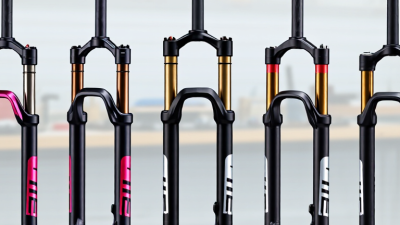
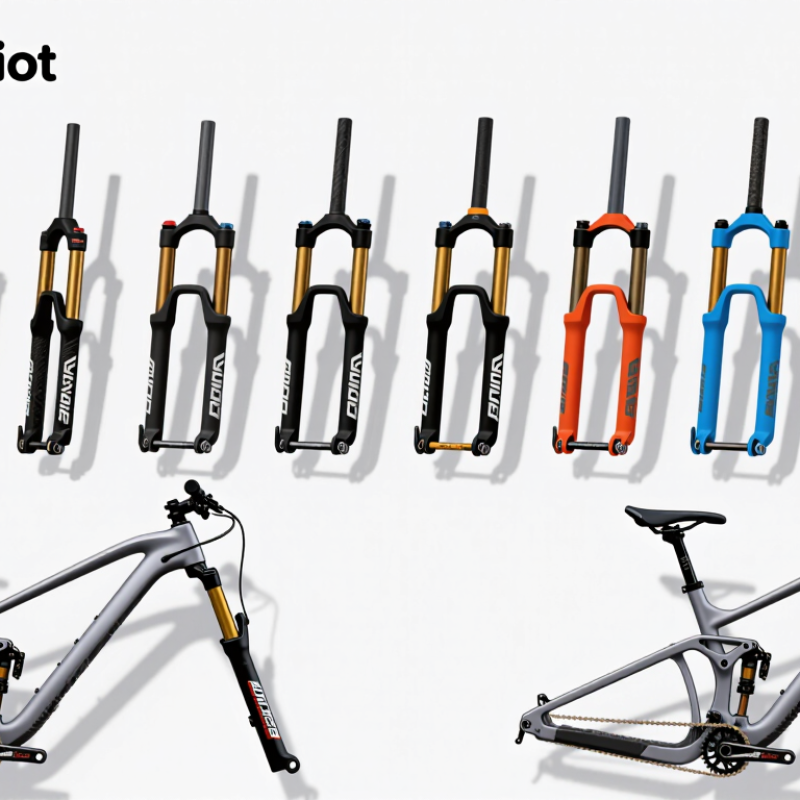
A rigid fork suits city commuting, smooth paths, and riders who value low weight and direct steering. It has no suspension to absorb sharp impacts, so tire pressure and frame comfort matter. BMX forks are also rigid, but they are built for compact bikes, jumps, and quick steering. Very direct. Cross-country suspension forks use modest travel to soften roots and rocks without feeling sluggish on climbs. Trail forks offer more travel and control for steep, mixed terrain. They can feel excessive on pavement.
Enduro forks are designed for long, rough descents and repeated impacts, while downhill forks prioritize stability on steep tracks. Both add weight, which is noticeable when climbing. Gravel forks are usually rigid, with clearance for wider tires and space for small bags on some models. Touring forks favor dependable handling under luggage; mounting points can help, but a heavy load still changes steering. I sometimes overvalue travel numbers. Tire choice and setup can matter just as much.
Fat-bike forks provide room for very wide tires, useful on snow, sand, or soft trails. Cargo-bike forks are built around loaded riding, where braking forces and steering stability deserve close attention. Check the fork’s axle, brake, tire-clearance, and frame compatibility before buying. A mismatch can make a good-looking setup unreliable. The best fit depends on where you actually ride, not only the terrain you hope to try.
How to Choose a Fork for Your Bike and Terrain
Choosing a fork starts with the ground you ride, not the longest travel you can buy. Smooth roads and loaded touring often suit a rigid fork, which keeps steering predictable and needs little maintenance. Gravel riders may prefer a rigid or short-travel suspension fork for rough tracks. Cross-country and trail bikes typically use suspension to absorb roots and rocks; enduro and downhill setups handle steeper, repeated impacts with more travel. Fat-bike forks also need clearance for wide tires.
Check compatibility before comparing ride feel. The fork must match your frame’s steerer tube, wheel size, axle, brake mount, and tire clearance. For suspension, confirm the recommended travel and axle-to-crown length. Too much travel can raise the front end and change handling. Small details matter. A fork that fits the wheel but not the frame is still the wrong fork.
Think about how the bike feels on your usual route. A firm fork can feel lively on pavement, while a well-adjusted suspension fork helps keep the front tire planted on loose, uneven ground. Set sag and rebound according to the fork maker’s guidance, then test on familiar terrain. Don’t chase a perfect setup immediately. Mud, luggage, and tire pressure can change what feels right, and my first choice would not always be my best one. Read the frame and fork specifications carefully, especially when replacing an existing fork.
Fork Compatibility, Setup, and Maintenance Essentials
Fork compatibility begins with the frame, not the riding label.
Match wheel size, steerer diameter and type, axle standard, brake mount, and allowed suspension travel. A mismatch can affect handling or prevent safe installation. Check the frame maker’s limits and the fork’s technical sheet before buying. PeopleForBikes’ 2024 U.S. Bicycling Participation Report counted 112 million American bicycle riders in 2023. That range of riders makes fit especially important: a commuter fork and a trail fork face different loads and terrain.
Small details matter. One easy mistake.
Set air pressure or spring preload for the rider’s weight, then measure sag using the fork maker’s guidance. There is no universal setup number. Record pressure and rebound settings, and change one setting at a time; otherwise, it is hard to know what helped. ISO 4210-6:2023 outlines laboratory test methods for bicycle frames and forks, but a test standard cannot replace checking your specific frame’s compatibility.
For routine care, wipe dirt from the stanchions after wet rides, inspect for oil leaks or scratches, and follow the service intervals in the fork instructions. A tiny nick can damage a seal. I would recheck axle seating and brake clearance after installation, even when the parts appear to fit. That extra check can feel fussy. It is still worthwhile.