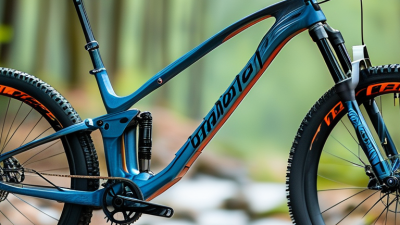
Choosing a bicycle fork is not just a matter of picking more travel. The right fork should suit your riding, frame, wheel size, and steering setup. A poor match can affect handling, comfort, and safe installation. Small details matter.
PeopleForBikes’ 2024 U.S. Bicycling Participation Report counted 112 million Americans who rode a bicycle in 2023. That broad mix of riders includes commuters, trail users, and casual cyclists, whose needs differ sharply. A mountain biker dropping over rocky ground may value suspension travel and damping. A city rider may care more about low maintenance and predictable steering. The Fork Of The Bike also has to match key frame specifications, including axle type, steerer tube, brake mount, and tire clearance.
There is no universal “best” fork. Even a respected model can be wrong for a particular frame. ISO 4210-6:2023 sets out test methods for bicycle frames and forks, but a standard does not choose the right component for your bike or riding style. That judgment still takes careful checking. Before buying, confirm the manufacturer’s compatibility guidance and inspect the fork’s condition if it is used. A mechanic can help when measurements or fit are unclear. This guide shares seven practical tips for weighing suspension type, travel, materials, fit, and upkeep. Some choices are less obvious than they look. I have found that checking fit twice beats trusting a product photo.
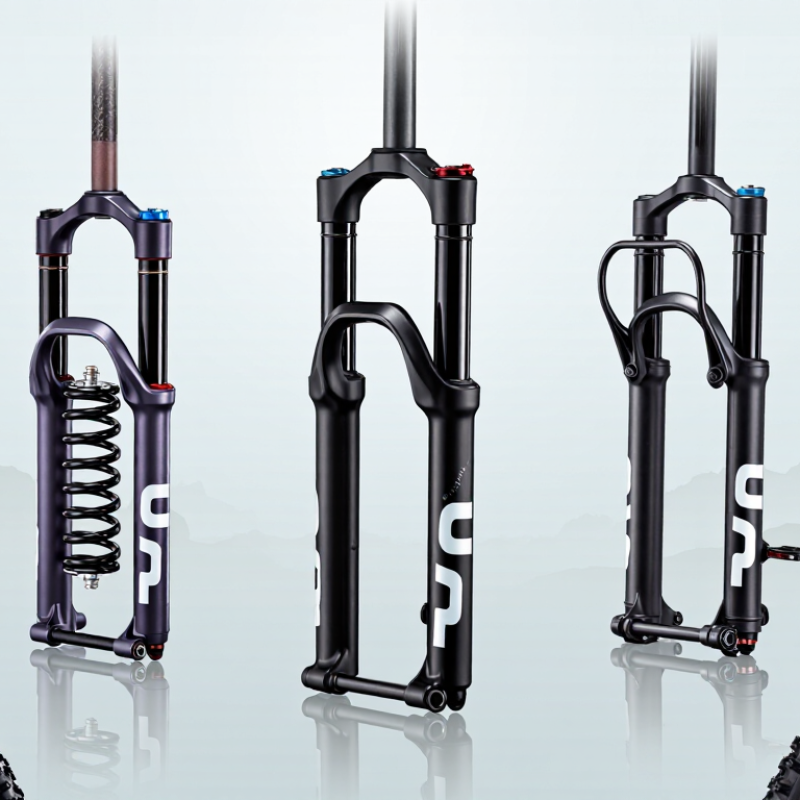
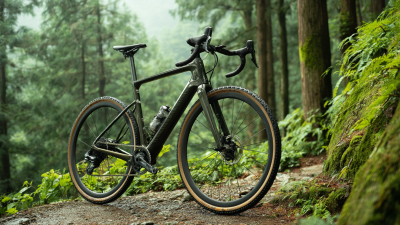
Your usual routes should guide your fork choice more than occasional adventures. On smooth roads, a rigid fork is often lighter and simpler to maintain. Rocky trails and roots call for suspension that can absorb repeated impacts and keep the front tire in contact with the ground. Start with your routes. A short commute on broken pavement may need comfort, not the long travel designed for steep, rough descents. Think about how fast you ride, too; higher speeds can make bumps feel sharper.
Tip: Write down where you ride most often, then note the surface, typical obstacles, and how much climbing you do. Compare those details with the fork’s travel and intended use. More travel is not automatically better. It can add weight and alter handling, especially on flatter rides. Small details matter.
Also check that the fork fits your frame, wheel size, brake setup, and tire clearance. These compatibility details are easy to overlook when a fork seems ideal for the terrain. I have found that “mostly smooth” routes can still include a jarring curb or pothole, so be honest about what bothers you. But don’t choose for one dramatic trail you visit once a year. Your everyday ride is the better starting point.
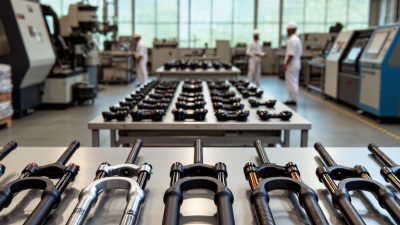
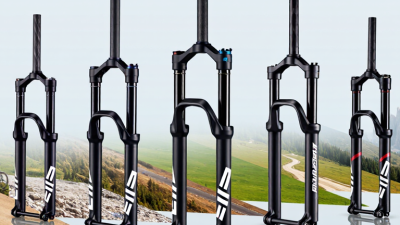
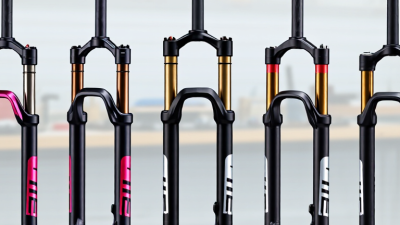
A fork changes how the front wheel tracks bumps, steers, and grips loose ground. PeopleForBikes’ 2024 U.S. Bicycling Participation Report estimates that 112 million Americans rode a bicycle in 2023. That varied riding population is a reminder: fork choice should match the route, not just the bike’s appearance. A rigid fork is light and direct, with fewer moving parts to maintain. It suits smooth roads and predictable paths, but transmits sharp jolts through the handlebar. Suspension forks absorb impacts using a telescoping design. Cross-country models often offer about 80–120 mm of travel, while trail-focused designs commonly provide more. Those ranges are useful clues, not rules. Feel the difference.
Spring design matters too. Air springs use adjustable pressure, making setup easier to tune for rider weight; coil springs often feel consistent over repeated bumps but can add weight. Damping controls how quickly the fork compresses and returns. Too little rebound control can make the front wheel bounce after a root; too much can leave it sluggish over closely spaced rocks. ISO 4210-6 specifies fork fatigue and impact tests, useful context when assessing structural safety, but passing a test does not guarantee a comfortable ride. One easy mistake is choosing maximum travel for every trail. More travel can raise the front end and alter handling, so check geometry and test the bike on familiar terrain before deciding.
Tip 1: Match the fork to the wheel, not just the tire label. A 29-inch wheel and a 27.5-inch wheel need different fork clearances and axle dimensions. Check the fork’s stated wheel size, axle standard, and brake mount. The ETRTO standards tables define tire and rim dimensions; use them to confirm the exact size code on your tire. A few millimeters matter.
Tip 2: Keep travel within the frame maker’s approved range. More travel raises the front end and changes steering angles, weight balance, and fork loading. PeopleForBikes’ 2024 participation report counted 112 million U.S. bicycle riders in 2023, a reminder that riders use many different bike types. That figure doesn’t determine fork fit, though. Your frame’s specifications do. It sounds obvious. It isn’t.
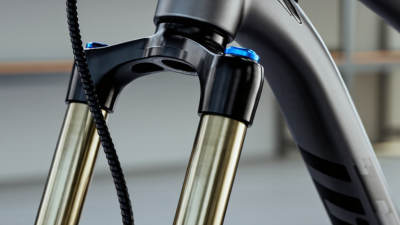
Tip 3: Check the steerer, axle-to-crown length, and crown clearance before buying. Compare the fork’s steerer diameter and length with your frame and headset; then measure around the tire and fork crown with the wheel installed. A common workshop miss is checking wheel size but overlooking steerer length. The fork may fit the wheel and still leave too little steerer for a safe stem installation. Recheck the frame manual, especially if the bike has an unusual geometry.
| Tip | What to check | Useful reference | Compatibility note |
|---|---|---|---|
| 1. Match the wheel size | Choose a fork designed for the wheel diameter used by your frame. | Common mountain-bike sizes include 26 in, 27.5 in (650B), and 29 in. Many road and gravel bikes use 700C wheels. | A wheel that is too large may contact the fork crown or frame; confirm the frame and fork specifications before fitting. |
| 2. Choose suitable travel | Check the fork travel and the range approved for your frame. | Cross-country forks often have about 100–120 mm of travel; trail forks commonly have about 120–150 mm. These are typical ranges, not universal rules. | Changing travel can alter front-end height, steering, and frame loads. Follow the frame maker’s specified travel limits. |
| 3. Verify the steerer tube | Identify the frame’s headset and steerer dimensions. | Common designs include a straight 1⅛ in steerer and a tapered steerer measuring 1⅛ in at the top and 1½ in at the bottom. | The fork must fit the headset and head tube. Some combinations require specific headset parts; do not assume they are interchangeable. |
| 4. Match the axle and hub | Compare the fork’s axle type and spacing with the front hub. | Examples include 9 × 100 mm quick release, 15 × 100 mm thru-axle, and 15 × 110 mm Boost thru-axle. | Axle diameter, spacing, and retention system must all match. Adapters are not available or appropriate for every combination. |
| 5. Check brake compatibility | Confirm the fork’s brake mount and the rotor diameter it permits. | Post-mount and international-standard (IS) mounts are common on disc-brake forks. Maximum rotor size varies by fork. | Use the correct mount adapter when specified, and never exceed the fork’s stated maximum rotor size. |
| 6. Confirm tire clearance and offset | Check clearance for the actual tire width and consider the fork’s offset (rake). | Tire clearance depends on the fork, wheel, and tire dimensions. Offset affects steering geometry and is commonly specified in millimetres. | Leave room for wheel flex and mud where relevant. Match the frame’s intended wheel and fork geometry when possible. |
| 7. Select a spring and adjustability level | Choose between air and coil springs, then check available damping and adjustment features. | Air springs are generally adjustable for rider weight with pressure; coil springs use a metal spring and may require a different spring rate for a different rider. | Set sag and rebound according to the fork instructions. Check the recommended rider-weight range and service requirements. |
Specifications vary by frame and fork. Before buying, compare the fork’s technical documentation with your frame, headset, wheel, hub, brake, and tire measurements.
A fork should suit the terrain, rider weight, and service you can realistically maintain. PeopleForBikes’ 2023 U.S. Bicycling Participation Report estimated that 112 million Americans rode a bike in 2022. That broad mix of riders is a reminder: there is no universal fork setup. Aluminum is generally affordable and durable; carbon can reduce weight but needs careful inspection after impacts. Suspension models add comfort and control, but seals and moving parts need attention. Check the maker’s limits and service intervals before buying.
Tips: Match fork travel to your usual trails. Check axle and steerer compatibility. Compare aluminum and carbon by intended use, not weight alone. Choose adjustment controls you can operate with gloves. Set sag using the fork maker’s instructions. Inspect stanchions for scratches or oil residue. Keep a record of service dates.
A fork that feels harsh may need pressure or rebound adjustment, not replacement. Small changes matter. Use a shock pump and make one adjustment at a time; note the result. Clean exposed stanchions after muddy rides, and never ignore a leak or damaged surface. Maintenance schedules vary by design and riding conditions, so consult the service manual or a qualified mechanic. Be honest about your habits: if routine servicing feels unlikely, a simpler rigid fork may be the better fit.
Approximate material density helps compare fork materials: lower density can reduce material weight, but a complete fork’s weight also depends on its design and construction. Rigid forks generally need less routine servicing; suspension forks add adjustability, such as spring pressure and damping, but require maintenance according to the manufacturer’s schedule.
Match the fork to your usual terrain, not an imaginary race day. A short-travel fork often feels more controlled on smooth paths, while rough trails may call for more travel. More travel isn’t always better. Check fit first. Spring type matters, too: an air spring is adjustable for rider weight, while a coil spring can feel consistent but may offer fewer easy adjustments. Set sag with your riding gear on; a fork that sinks too far can feel vague on climbs. Damping controls how quickly the fork compresses and returns. If possible, test the settings on a familiar stretch of trail.
Check wheel size, steerer tube, axle spacing, and brake mounts before buying. A mismatch can turn a bargain into an unusable part. Durable seals and available service parts matter if you ride in dust or rain. Ask what routine maintenance costs, not just what the fork costs upfront. Compare weight against sturdiness and serviceability; saving a little weight may not help if repairs are difficult. Honestly, this trade-off is easy to misjudge. Set a firm budget that includes installation and future servicing. If compatibility is unclear, have a qualified mechanic verify the measurements before you order.