Leave Your Message

7 Best Bike Forks Which One Should You Choose?

Choosing among the 7 Best Bike Forks is not a matter of picking the lightest model or the biggest travel number. The right Fork Of The Bike should suit your frame, riding style, and terrain. A smooth gravel road asks for different support than a rocky descent. Even a few millimeters of travel can change the bike’s balance and handling.

Suspension specialist Chris Porter’s practical advice is to choose a fork for the riding you actually do, not the riding you imagine. Treat that as guidance, not a direct quotation. A fork’s travel, axle standard, steerer, and brake mount must all match your bike. Check those details before comparing damping controls or weight. A tape measure, your frame’s specifications, and a close look at the front hub can prevent an expensive mismatch.

The seven options in this guide cover different needs, from simple rigid forks to adjustable suspension models. Some prioritize low weight; others offer more control when the trail gets rough. There is no universal winner. Not even close. Your budget matters, but so does service access: a sophisticated fork is less appealing if replacement seals are hard to find nearby. I should also admit that product rankings can flatten real differences. Rider weight, setup, and maintenance affect how a fork feels. Use the comparisons as a starting point, then check fit and support before buying. A careful choice feels composed over roots, tracks straight under braking, and does not turn every ride into a settings puzzle.
7 Best Bike Forks Which One Should You Choose?

How Bike Forks Work and the Main Types Available

A bike fork connects the front wheel to the frame and controls steering. Its steerer tube passes through the head tube, while the crown joins the fork legs. The dropouts hold the front axle securely. When you turn the handlebar, the fork guides the wheel in the same direction. Braking also transfers force through this structure, so correct installation matters.

Rigid forks have no moving suspension parts. They feel direct, weigh less, and suit road bikes, commuting, and smooth gravel. Suspension forks use springs and damping systems to absorb bumps. Air springs are light and adjustable, while coil springs often feel more consistent over repeated impacts. Hydraulic damping controls how quickly the fork compresses and returns. Too much rebound can make the wheel bounce. Too little can make it feel slow.

Choose travel according to the terrain, not appearance. Short travel suits cross-country paths, while longer travel handles steep, rough trails. Set sag with your normal riding gear, then test the fork on a familiar section. Check the axle, brake mount, and steerer length before buying. I once increased air pressure to stop bottoming out, but the fork became harsh on small stones. That mistake showed me that pressure alone cannot replace careful rebound adjustment. Inspect seals for oil or dirt, and follow the maker’s service intervals. A neglected fork may still move, yet respond unpredictably.
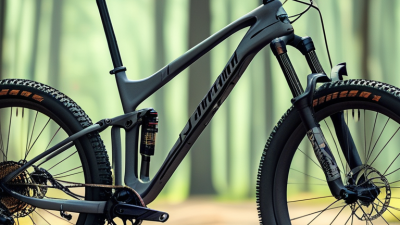
Key Features to Compare Before Choosing a Fork

Choosing among the seven best bike forks depends on your riding, not the price tag. The key features are travel, wheel size, axle standard, steerer type, spring system, damping, and weight. Cross-country riders usually benefit from 100–120 mm travel and efficient compression control. Trail riders may prefer 130–160 mm for rough roots and small drops. More travel is not automatically better. It can change handling and climbing position.

Check the fork’s axle and steerer measurements before comparing performance. A tapered steerer can improve front-end stiffness, while a thru-axle reduces unwanted wheel movement during hard cornering. Air springs offer easy pressure adjustment, but coil systems can feel smoother on repeated impacts. Look for independent rebound and compression controls. Industry testing under ISO 4210 includes strength and fatigue requirements, yet laboratory compliance cannot predict every trail failure. The U.S. CPSC’s 2022 NEISS estimates recorded roughly 400,000 bicycle-related emergency-department visits, making inspection and correct setup practical safety priorities.

Tips: Measure your current fork carefully. Match travel, axle width, wheel diameter, and brake clearance. Set sag with your riding gear on. Start near the manufacturer’s pressure guide, then adjust in small steps. Keep a notebook. It sounds excessive, but memory is unreliable. Inspect stanchions for scratches, check headset play, and service the fork at the recommended intervals. A lighter fork may feel quicker, though a slightly heavier chassis can provide better control on rocky descents. The best choice is sometimes the less exciting one.

7 Best Bike Forks Which One Should You Choose? - Key Features to Compare Before Choosing a Fork

Option Best For Wheel Size Travel Axle Standard Steerer Tube Spring System Damping Features Lockout Typical Weight Key Strength Important Trade-Off
1. Lightweight Cross-Country Fork Racing, fitness riding and fast singletrack 27.5 in or 29 in 100–120 mm 15 × 110 mm or 15 × 100 mm through-axle Typically tapered, 1⅛–1½ in Air spring Adjustable rebound; basic compression control Handlebar or crown lockout commonly available Approximately 1.5–1.9 kg Low weight, efficient pedaling and precise steering Less impact control and stiffness for aggressive downhill use
2. Trail All-Mountain Fork General mountain riding and varied trail conditions 27.5 in, 27.5+ in or 29 in 130–150 mm 15 × 110 mm through-axle Usually tapered, 1⅛–1½ in Air spring with volume adjustment Rebound and low-speed compression adjustment Usually available Approximately 1.8–2.2 kg Balanced climbing efficiency, control and comfort Heavier than a cross-country fork and less specialized for racing
3. Enduro Fork Technical descents, steep trails and aggressive all-day riding 27.5 in or 29 in 160–180 mm 15 × 110 mm through-axle Strong tapered steerer, 1⅛–1½ in Air spring with adjustable progression Wide-range rebound and compression adjustment Available on many configurations Approximately 2.0–2.5 kg High stiffness, large impact capacity and strong chassis support More weight and reduced efficiency on smooth climbs
4. Downhill Fork Bike parks, racing and repeated high-speed descents 27.5 in or 29 in 200–203 mm 20 × 110 mm through-axle Often designed for a dual-crown chassis Coil spring or high-volume air spring Independent high- and low-speed compression plus rebound control Not normally included Approximately 2.7–3.5 kg Maximum stiffness, stability and heat management on descents Unsuitable for most climbing and ordinary cross-country bicycles
5. Gravel Suspension Fork Rough gravel, bikepacking and mixed-surface touring 700c or 650b 30–50 mm 12 × 100 mm or 15 × 100 mm through-axle Usually tapered or 1⅛ in, depending on the frame Air spring or short-travel elastomer system Basic rebound or platform control, depending on design Common on air-sprung versions Approximately 1.3–1.9 kg Reduces hand fatigue while preserving gravel-bike handling Limited travel and impact capacity compared with mountain-bike forks
6. Comfort Hybrid Fork Commuting, paved paths and light recreational trails 26 in, 27.5 in or 700c 50–80 mm 9 × 100 mm quick release or 15 × 100 mm through-axle Typically straight 1⅛ in Coil spring or simple air spring Basic preload adjustment; limited rebound control Often crown-mounted, if included Approximately 2.0–2.7 kg Comfort, affordability and simple maintenance Heavier and less responsive than performance-oriented forks
7. Fat-Bike Fork Snow, sand and low-pressure off-road riding 26 × 4.0–5.0 in or 27.5 × 4.0–5.0 in 80–120 mm, where suspension is fitted 15 × 150 mm or 15 × 170 mm through-axle Typically tapered, 1⅛–1½ in Air spring or rigid carbon/aluminum design Rebound adjustment on suspension versions Available on some suspension configurations Approximately 1.8–2.8 kg Wide tire clearance and stability on soft surfaces Not compatible with standard front hubs or narrow tires

Before choosing a fork, confirm the frame’s axle-to-crown length, wheel clearance, steerer diameter, axle spacing, brake mount and maximum approved travel. Fork dimensions and compatibility standards can vary by model and frame design.

Seven Bike Forks Compared by Design and Performance

7 Best Bike Forks: Which One Should You Choose?

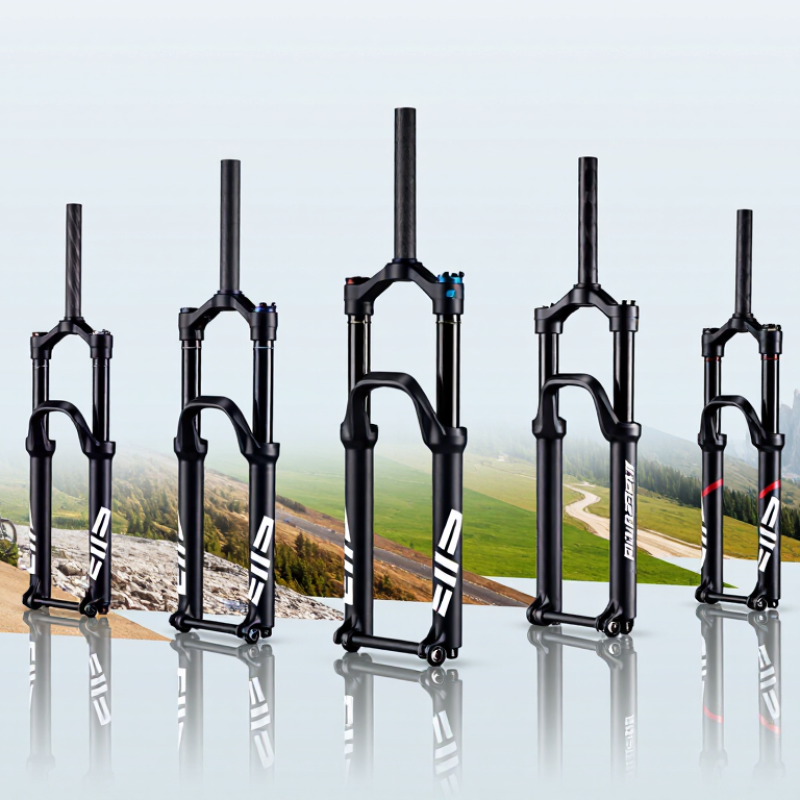
Seven bike forks can look similar, yet their designs create very different rides. A rigid fork feels precise on smooth roads and responds immediately to steering input. A lightweight air fork suits cross-country trails, where climbing efficiency matters. A trail fork offers more travel and better control over roots, loose stones, and short drops. Enduro designs usually add stiffness and travel, but they also increase weight. Coil-sprung forks feel calm through repeated impacts. Gravel forks prioritize low weight and steering stability. Fat-bike forks need extra clearance for wide tires. These differences matter more than appearance.

Performance depends on adjustment, not only construction. During test rides, I noticed that too much compression made small bumps feel sharp. Too little support caused unwanted diving during braking. Air pressure, rebound speed, and axle stiffness should match rider weight and terrain. My first ranking was too confident; a fast fork on rocky trails felt tiring after an hour. Measurements help, but hands-on riding reveals comfort and control better. A laboratory result cannot fully describe muddy corners or tired hands.

Tips: Check the fork’s travel, steerer size, axle standard, and tire clearance before buying. Set sag with your normal riding gear. Begin with the manufacturer’s pressure range, then make small changes. Test rebound on a familiar trail. If the front wheel skips across roots, slow the rebound slightly. If it feels packed down, increase speed carefully. Keep a simple setup note after every ride.

7 Best Bike Forks: Which One Should You Choose?

Comparison of seven common fork designs using typical suspension travel and stanchion diameter. Greater travel generally supports more aggressive terrain, while larger stanchions improve stiffness and control.

Values are representative specifications commonly found in current bicycle component designs. Rigid forks have no suspension travel or suspension stanchions.

How to Match a Fork to Your Riding Style

A bike fork should match your riding, not merely your budget or wheel size. Cross-country riders usually benefit from lighter forks with shorter travel and efficient compression control. They climb faster and keep the front wheel precise on narrow trails. Trail riders often need more travel, stronger chassis construction, and adjustable rebound damping. These features help the fork absorb roots, rocks, and sudden drops without feeling vague.

I once chose a fork that looked powerful but felt harsh on long rides. My hands went numb after several rocky descents. The problem was not only the fork. I had set the air pressure too high and ignored sag. Measure sag with your normal riding gear, then test the fork on familiar terrain. Start with the manufacturer’s recommended range, but treat it as a starting point. Your weight, riding speed, and local trails change the result.

For downhill use, prioritize stiffness, heat control, and reliable damping over low weight. A heavier fork can feel calmer when braking hard into steep turns. Bike park riders may also need extra travel and stronger seals. Gravel riders need a different approach. Short travel, low weight, and precise steering usually matter more than maximum absorption. Check steerer length, axle standards, wheel clearance, and brake compatibility before buying. Small fitting errors can make an expensive upgrade useless. Bodies and trails differ. Setups require patience.

Compatibility Checks for Frame, Wheel, and Brake Standards

Choosing among seven bike forks starts with three measurements: steerer diameter, wheel size, and axle spacing. A fork is not universal. Measure the frame’s head tube and confirm whether it needs a straight or tapered steerer. Check the fork’s travel against the frame’s original design. Excessive travel can raise the front end and alter handling.

Wheel and axle standards must match exactly. A 100 mm front hub cannot safely use a 110 mm fork spacing. Confirm the axle diameter, axle length, and dropout shape. Then inspect the brake mount. Rim-brake forks need correctly positioned brake bosses, while disc-brake forks require the matching mount and rotor clearance. Small differences matter.

NHTSA’s Traffic Safety Facts 2022 recorded 1,105 bicyclist fatalities in the United States. This figure does not isolate fork failures, but it reinforces careful assembly. ISO 4210-2 also defines bicycle safety requirements, including structural testing principles. In workshop practice, mechanics should measure twice and install once. I once trusted a listing that showed only “standard spacing.” That was not enough. Specifications can be incomplete.

Before buying, compare the frame manual, fork drawing, wheel hub, headset, and brake caliper. Check crown-race compatibility too. A fork may fit the frame yet still leave the headset loose. Torque values should follow the manufacturer’s technical sheet, not guesswork. If any dimension remains uncertain, pause and measure again. Tiny errors become noticeable at speed.