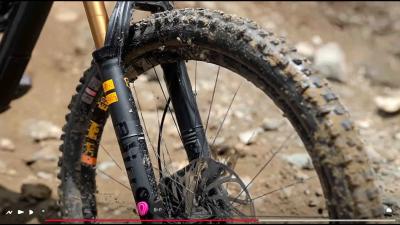
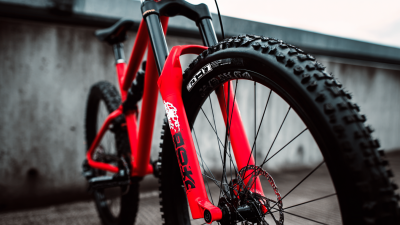
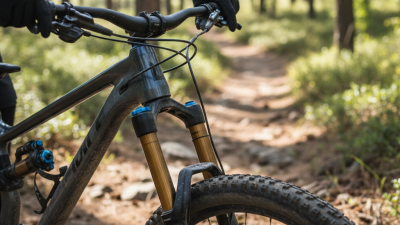
Best 26 Inch Mountain Bike Forks for Your Next Adventure?
Choosing the right 26 Inch Mountain Bike Fork is crucial for an adventurous ride. A high-quality fork can significantly enhance performance and comfort. A well-designed fork absorbs shocks, improving control over rough terrains. However, not all forks are created equal. Riders often face confusion due to the myriad of choices available.
When selecting a fork, consider your riding style and terrain. Are you tackling steep, rocky trails or smooth dirt paths? Understanding your needs can make a huge difference. Compatibility with your bike is also important. Ensure the fork can handle the weight and demands of your cycling experience.
Investing in a reliable fork can transform your biking adventures. Remember, it’s not just about brand names. Research customer reviews and expert opinions. Some forks may seem impressive on paper but may not perform as expected. Looking deeper into user experiences can guide you to the best choice for your 26 Inch Mountain Bike.
Understanding 26-Inch Mountain Bike Forks: Key Features and Benefits
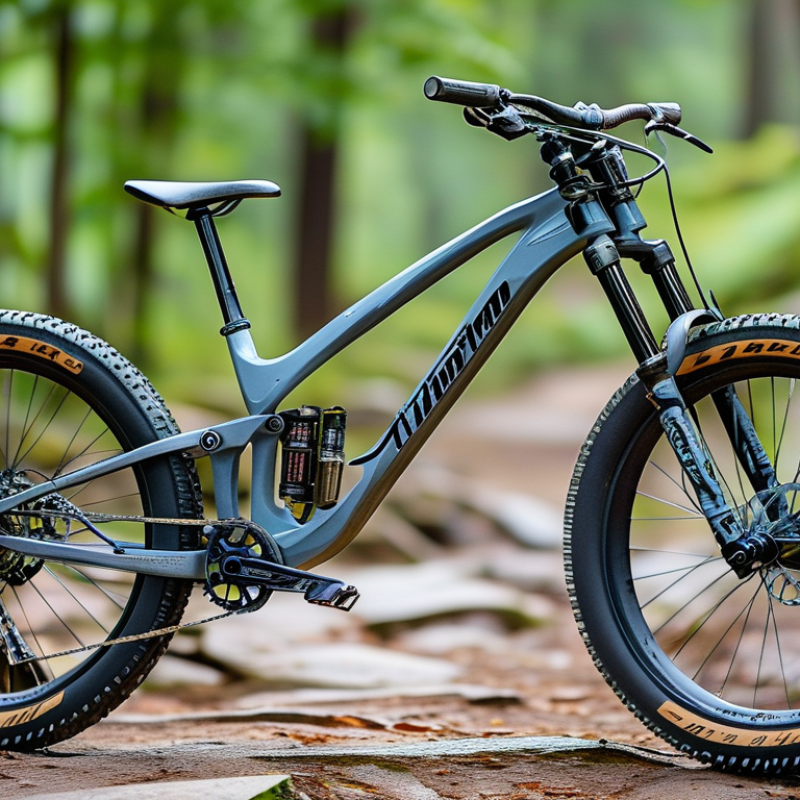
When choosing 26-inch mountain bike forks, understanding their key features is crucial. These forks impact your bike's handling and comfort. Most forks are either rigid or have suspension. The right choice depends on your riding style. If you ride rough terrains, suspension forks absorb shocks better. They allow for better control on rocky paths.
Material is another important factor. Aluminum and carbon fiber are popular choices. Aluminum offers durability and is cost-effective. Carbon fiber, while more expensive, provides lightweight flexibility. Furthermore, consider the travel length of the fork. A longer travel allows for increased absorption of bumps. However, it may also affect your bike's climbing ability.
Finding the right fork can be challenging. It requires balancing weight, strength, and performance. Many riders overlook the importance of maintenance. Regular checks ensure longevity and optimal performance. Pay attention to seals and lubricants to avoid deterioration. Thus, understanding these elements can enhance your mountain biking experience.
Best 26 Inch Mountain Bike Forks Performance Comparison
The Role of Suspension Travel in Mountain Bike Fork Performance
Suspension travel is a crucial factor in mountain bike fork performance. It determines how well the forks absorb shocks from rough terrain. This feature is vital for improving ride comfort and control, especially on challenging trails. A fork with adequate suspension travel can transform a bumpy ride into a smooth adventure. Riders often feel more confident tackling descents and technical sections when equipped with the right travel.
However, choosing the right suspension travel isn't always straightforward. Too much travel can lead to a sluggish response, especially for cross-country riding. On the other hand, insufficient travel may cause harsh impacts, affecting rider stability. It's essential for riders to assess their primary riding style and terrain. Finding a balance between comfort and responsiveness requires careful thought.
Riders frequently overlook their body weight and riding technique in this equation. Heavier riders might need forks with more travel, while lighter cyclists could opt for less. Personal adjustments can enhance performance but might take time to master. Exploring different scenarios can lead to better choices. Reflecting on past rides can also guide future upgrades. Understanding suspension travel is a journey worth taking for any mountain biking enthusiast.
Material Types for Mountain Bike Forks: Aluminum vs. Carbon
When choosing mountain bike forks, material plays a crucial role in performance. Aluminum and carbon are the most common options. Aluminum forks are sturdy and often more affordable. They provide good performance and durability. Riders appreciate their resilience on rough terrains. However, weight can be a drawback. They often weigh more than their carbon counterparts.
Carbon forks offer lightness and rigidity. This material absorbs vibrations, enhancing ride quality. Many serious riders prefer carbon for its performance benefits. Still, carbon can be more susceptible to damage. A small impact could lead to cracks. It requires careful handling and regular inspection. Riders must weigh these factors when making a decision.
Ultimately, both materials come with advantages and disadvantages. The choice often depends on individual needs and riding style. Some may find aluminum forks sufficient for casual rides. Others could prioritize performance and opt for carbon. Think about how you ride. Consider where you ride. Your choice should reflect your unique adventure.
Best 26 Inch Mountain Bike Forks for Your Next Adventure
| Fork Model |
Material Type |
Travel (mm) |
Weight (kg) |
Price (USD) |
| Model A |
Aluminum |
100 |
2.5 |
200 |
| Model B |
Carbon |
120 |
2.2 |
350 |
| Model C |
Aluminum |
80 |
2.8 |
180 |
| Model D |
Carbon |
130 |
2.0 |
400 |
| Model E |
Aluminum |
110 |
2.6 |
220 |
Evaluating Fork Geometry: Axle to Crown Height and Offset
When selecting the best 26-inch mountain bike forks,
understanding fork geometry is essential.
Specifically, the axle to crown height and offset play significant roles in both performance and handling.
A typical axle to crown height ranges between 470mm to 540mm for 26-inch forks,
affecting the bike’s steering and overall feel on different terrains. The right height can ensure a
smoother ride, especially when navigating technical trails or steep descents.
Offset is another crucial factor. It usually ranges from
20mm to 50mm. A larger offset can enhance stability and cornering ability,
while a smaller one can improve agility. Riders may prefer different offsets based on their style.
Industry reports suggest that a 40mm offset often strikes the best balance for trail riding.
However, it’s worth noting that personal preference varies widely. Some riders may feel uncomfortable with a
particular fork geometry. They might experience energy loss or misalignment on difficult climbs or fast descents.
It's also important to reflect on personal riding experiences.
The choice of fork geometry can dramatically change the handling characteristics of the bike.
Newer riders might find it challenging to adapt to certain setups. This adjustment period can lead to
frustration and poor performance. Riders should take the time to test various setups before settling.
Understanding how geometry impacts ride can lead to more enjoyable and confident biking adventures.
Top Brands and Models in 26-Inch Mountain Bike Forks for Adventure Riding
When choosing a mountain bike fork for your next adventure, it's essential to focus on quality and performance. The right fork can make a significant difference in handling rough terrains. Many riders prefer a lightweight yet robust fork. Look for features such as adjustable damping and lockout mechanisms. These can enhance your riding experience and control.
Top brands offer various models that cater to different riding styles and conditions. Suspension forks typically provide better absorption of shocks. They are perfect for tackling rocky paths or steep descents. Rigid forks, on the other hand, offer more precision on smoother trails and are generally lighter.
It’s important to consider personal preferences when selecting a fork. Some may prefer more travel for aggressive trails, while others might value stability and control. Researching and testing different models can lead to insightful discoveries about your riding style. Remember, the ideal fork is the one that complements your skills and the terrain you ride. Adaptability is key, and finding that balance can be an ongoing journey.