How to Choose the Best Bike Fork for Your Riding Style?
When selecting the best bike fork for your riding style, expert insights are invaluable. John Smith, a seasoned bike mechanic, states, "The right bike fork transforms your ride and enhances performance." Choosing a bike fork isn’t just about aesthetics. It’s crucial to consider how different forks influence your ride quality and handling.
Every riding style demands specific features from a bike fork. A mountain biker may prefer a fork that absorbs shocks, while a road cyclist might seek lightweight materials for speed. Riders often overlook the importance of travel length and damping systems. These elements significantly impact your overall experience on the bike.
Many cyclists tend to ignore their unique riding preferences when choosing a bike fork. This can lead to an unfulfilling ride or even discomfort. It’s essential to reflect on your riding habits and personal needs. Experimenting with different setups can be beneficial. After all, a perfect bike fork can make or break your adventure on two wheels.
Understanding Different Types of Bike Forks and Their Functions
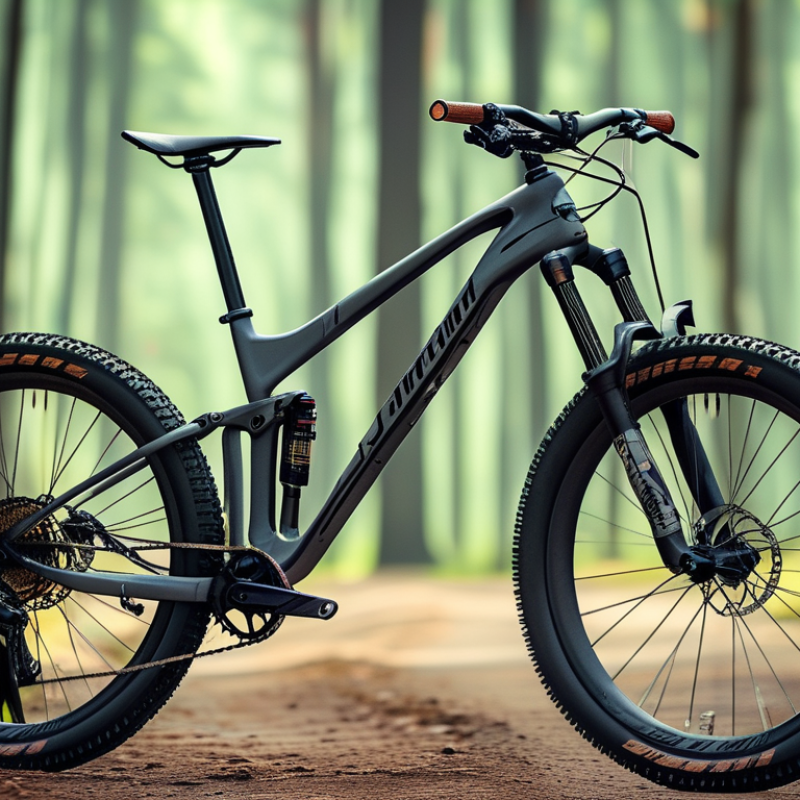
Choosing the right bike fork can greatly enhance your riding experience. Understanding the different types of bike forks is essential. Generally, there are two main categories: rigid forks and suspension forks. Rigid forks provide a direct connection to the bike, offering stability and responsiveness. They are ideal for smooth roads and racing environments. But they can lead to a harsher ride on bumpy terrains. Some riders may find this discomfort challenging.
On the other hand, suspension forks absorb shocks and provide better control on rough trails. They come with various travel lengths, suitable for different biking styles. While they enhance comfort, they may add weight. This can affect your climbing performance. Some bikers may prefer the extra weight for stability, while others might argue it hinders speed. It's important to evaluate your personal preferences and riding conditions.
Material also plays a role. Aluminum is lightweight, while carbon fiber offers durability but at a higher price. Riders often experience a conflict between cost and performance. Assessing your budget is necessary. In the end, choosing a bike fork requires a balance between comfort, control, and style. The best choice might not always be the lightest or most expensive option.
Identifying Your Riding Style: Cross-Country, Trail, or Downhill
When selecting a bike fork, it’s vital to match it to your riding style. Cross-country riders prioritize lightweight forks, as these enable faster speeds and better efficiency. According to a study by the International Mountain Bicycling Association, about 58% of cross-country cyclists prefer a travel range of 80-100mm. This choice allows for responsiveness on varied terrain without sacrificing pedaling efficiency.
Trail riders, on the other hand, often seek an all-rounder fork with a travel range of 120-150mm. This type of fork offers better control over rough descents while still providing a manageable weight. A recent report from Cycling Weekly suggests that 72% of trail riders find forks with adjustable settings enhance their riding experience, allowing them to tailor suspension based on conditions.
Downhill riders require robust forks, often with 170mm of travel or more. They focus on durability and performance under extreme conditions. Yet, a study by Bike Magazine indicates that 64% of downhill riders occasionally struggle with fork stiffness, which can impact their handling. Balancing weight with strength is a real challenge in this category. Recognizing these nuances can lead to better-informed decisions when choosing the right bike fork for your adventures.
Key Features to Consider When Selecting a Bike Fork
When selecting a bike fork, several key features come into play to ensure it suits your riding style. The material of the fork significantly influences weight and performance. Aluminum forks are lightweight and cost-effective. However, carbon forks excel in shock absorption, offering a smoother ride. Riders often struggle with the trade-off between weight and comfort. It's essential to test different materials and determine which feels best under your riding conditions.
Another critical aspect is the travel length. This measurement affects how much the fork can absorb bumps. Mountain bikers may prefer longer travel for rough terrains. Road cyclists might choose shorter travel for better efficiency. Riders should reflect on their typical routes. Is it smooth asphalt or rugged trails? Sometimes a longer travel fork can slow you down on flat surfaces.
Finally, consider the axle type. Quick-release models offer convenience, while thru-axles provide additional stiffness and security. This choice can impact handling and stability, especially during sharp turns. Many cyclists overlook this detail, leading to suboptimal performance. Trying different setups can reveal preferences and improve your riding experience.
Material Options for Bike Forks: Aluminum, Carbon, and Steel
When selecting a bike fork, the material can greatly influence performance and riding experience. The most common materials are aluminum, carbon, and steel. Each has its distinct characteristics, which cater to different riding styles and preferences.
Aluminum forks are lightweight yet sturdy. They provide excellent responsiveness, making them ideal for competitive cycling. According to industry reports, aluminum forks make up about 70% of entry to mid-level bikes due to their durability and affordability. However, they can transmit road vibrations more than other materials, which might not appeal to all riders.
Carbon forks offer superior shock absorption and are often found on high-end models. They are particularly popular among cyclists seeking a smoother ride. A study showed that carbon's weight-to-strength ratio is about three times better than steel. Nonetheless, the higher cost can be a barrier for some. Steel forks, while heavier, are revered for their longevity and ability to handle rough terrains. The downside lies in their weight and lesser responsiveness compared to aluminum and carbon. Each material has its trade-offs, making it crucial for riders to understand their unique needs before making a decision.
How to Match Fork Specifications with Your Bike's Geometry and Size
When selecting a bike fork, it’s crucial to align the fork's specifications with your bike's geometry and size. The angle of the head tube, for instance, plays a vital role in steering response. A steeper angle typically offers quicker handling, ideal for racing or aggressive riding. Conversely, a slacker angle enhances stability, making it suitable for downhill riding or rough terrains. Research indicates that a 1-degree change in head tube angle can significantly affect bike handling.
In addition, fork travel must correspond to the intended riding style. Cross-country bikes often feature forks with 80-120mm of travel, balancing weight and efficiency. Trail bikes, on the other hand, benefit from 120-160mm to absorb bumps more effectively. A 2022 industry report noted that nearly 70% of riders experienced improved performance when their fork travel matched trail type. Ensuring a proper fit with your bike size is equally essential. A fork that’s too long or short can disrupt balance and control.
Lastly, the compatibility of the fork with wheel size is another aspect requiring attention. Common sizes like 27.5-inch and 29-inch wheels necessitate specific forks to optimize handling. Riders often underestimate the impact of fork choice on comfort and performance. An improperly matched fork can lead to discomfort during rides, risking both safety and enjoyment.
How to Choose the Best Bike Fork for Your Riding Style?
| Riding Style |
Fork Type |
Travel (mm) |
Material |
Weight (kg) |
Recommended Wheel Size |
| Cross Country |
Rigid |
0 |
Aluminum |
1.2 |
26" |
| Trail |
Suspension |
120 |
Carbon |
1.6 |
27.5" |
| Downhill |
Long Travel Suspension |
200 |
Aluminum |
2.5 |
29" |
| Road |
Rigid |
0 |
Carbon |
1.0 |
700c |
| Commuting |
Suspension |
50 |
Steel |
1.8 |
26" |