How to Choose the Right Cycle Fork for Your Bike?
Choosing the right cycle fork for your bike is crucial for optimum performance. The cycle fork affects handling, comfort, and stability. A poorly chosen fork can lead to discomfort and compromised safety.
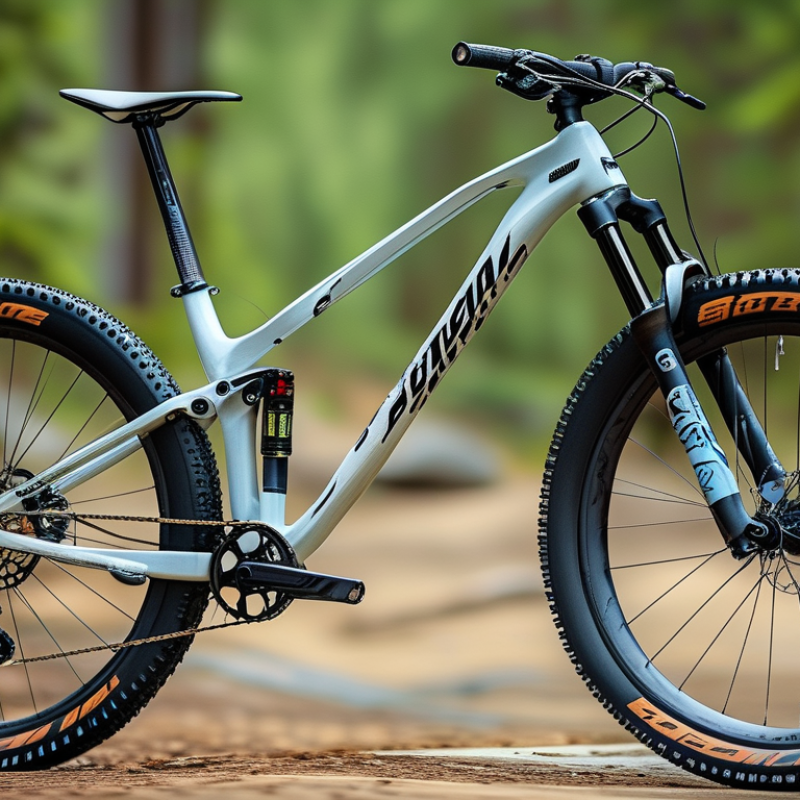
Different bike types require different forks. Mountain bikes need sturdier forks for rough terrain. Road bikes benefit from lightweight forks for speed. Consider materials like aluminum or carbon fiber. Each offers unique benefits and drawbacks.
Testing various forks can reveal personal preferences. It’s essential to evaluate factors such as travel, rake, and axle compatibility. Knowing your riding style will guide your decision. A well-chosen cycle fork enhances your cycling experience. However, the right choice often comes from trial and error. Don’t rush the process; it requires thought and patience.
Understanding Different Types of Bike Forks and Their Functions
When selecting a bike fork, understanding the different types is crucial. Generally, bike forks fall into two categories:
rigid and suspension.
Rigid forks provide stability and efficiency on smooth surfaces. They are often favored in road biking.
On the other hand, suspension forks absorb shocks and bumps, enhancing comfort on rough trails.
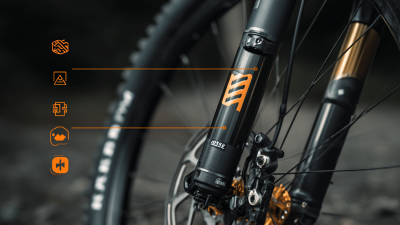
There are various suspension fork designs, each with specific functions. For instance, a telescopic fork uses a set of inner tubes to allow for smooth travel.
A single-crown fork is lighter, offering a good balance between strength and weight.
Riders who prioritize performance often prefer dual-crown forks for aggressive riding.
Tips: Consider your riding style when choosing a fork. If you ride on rough terrain,
opt for a suspension fork. It may seem pricey, but it’s worth the investment.
Remember, a fork can dramatically affect handling. Check the weight and geometry before making a choice.
Your bike’s overall performance hinges on this decision.
Factors to Consider When Choosing a Bike Fork
Choosing the right bike fork is crucial for your riding experience. The fork contributes to the bike's handling, comfort, and overall performance. Several factors come into play when selecting the right fork, including material, travel, and compatibility with your bike frame.
Material is a primary consideration. Common options include aluminum, carbon, and steel. Aluminum is lightweight and affordable, while carbon offers superior shock absorption. However, carbon can be pricier. Steel is durable but heavier. Each material affects your bike’s weight and how it feels on the road or trail.
Travel is another key factor. It refers to how much the fork can compress. If you plan to tackle rough terrains, a fork with more travel is beneficial. This provides better absorption of bumps. Conversely, a shorter travel fork is ideal for smoother rides.
Compatibility with your frame and wheel size is equally vital. Ensuring the correct size avoids compatibility issues. Remember, the right fork significantly impacts your bike handling and comfort. Think carefully and weigh your options before deciding.
Evaluating Material Options for Bicycle Forks
When selecting a bicycle fork, material plays a pivotal role in performance and safety. Common materials include aluminum, carbon fiber, and steel. Aluminum is lightweight and offers great stiffness. However, it can compromise ride comfort. Carbon fiber, known for shock absorption, is often preferred for high-end bikes. Yet, it comes at a higher cost and may not suit heavy riders. Steel provides durability and easy repair but is heavier than its counterparts.
In a study by the Bicycle Engineering Institute, 45% of cyclists prioritize weight when choosing a fork material. This reflects a growing trend favoring lighter options. Nevertheless, many riders overlook comfort and ride quality, which are crucial for longer distances. Understanding these trade-offs can help you make informed choices.
Tip: Test ride different bike forks if possible. Pay attention to how each material feels during the ride.
Another aspect to consider is the purpose of your biking. For competitive cyclists, every gram counts. Leisure cyclists may value comfort over weight. A well-researched decision often enhances the overall biking experience. Many cyclists regret not considering durability versus performance trade-offs. Always weigh your personal riding style against the materials available to you.
Material Options for Bicycle Forks
How Fork Geometry Affects Ride Performance
Fork geometry plays a crucial role in the overall ride performance of your bike. The angles and lengths of the fork can significantly affect handling, stability, and responsiveness. A steeper fork angle tends to enhance steering precision, making it ideal for sharp turns. Conversely, a slacker angle can provide greater stability at high speeds and over rough terrain. Choose wisely, as this decision directly impacts your riding experience.
Another critical aspect is fork length. A longer fork can elevate the front end of your bike. This change shifts your center of gravity, affecting how weight is distributed. If you ride aggressively downhill, a shorter fork might allow better control. However, it can also lead to quick handling that some riders may find difficult to manage. Reflecting on your riding style is essential before deciding.
Ultimately, there is no one-size-fits-all solution for fork geometry. What works for one rider may not suit another. Experimentation and adjustments are vital. Pay attention to how different setups influence your comfort and performance. These details can make all the difference in your adventures on two wheels.
Maintenance Tips for Your Bicycle Fork Selection
Selecting the right bicycle fork is crucial for your riding experience.
Maintenance plays a key role in ensuring the longevity of your fork.
Regularly inspect for scratches or cracks.
Damages can worsen over time. A small crack today might lead to bigger issues tomorrow.
Cleaning your fork frequently is essential. Use a soft cloth and mild soap.
Avoid harsh chemicals that could degrade materials.
Lubricating moving parts is also important.
Proper lubrication reduces friction and enhances performance.
Neglecting this can lead to unnecessary wear and tear.
Pay attention to weight specifications.
An overly heavy fork can affect handling. Balance is fundamental in cycling.
When in doubt, consulting an expert can provide clarity.
Listening to advice from seasoned cyclists can lead to a better choice.
Every detail matters when it comes to performance and safety.