Best Bike Forks for Ultimate Performance in 2026?
In the world of cycling, the choice of bike fork can significantly influence your experience. A high-quality bike fork enhances performance and control, providing riders with the confidence to tackle diverse terrains. As we approach 2026, advancements in technology are leading to innovative designs and materials.
Many riders may overlook the importance of selecting the right bike fork. Yet, an appropriate fork can improve handling, stability, and shock absorption. Each ride can feel different based on the fork's characteristics. This variability invites reflection on personal preferences and riding styles.
Bike forks come in many options, including rigid, suspension, and full-suspension models. It’s essential to know the specific needs of your riding style before making a decision. Investing time to research and understand bike forks can make a notable difference in your performance. Remember, the journey towards finding the best bike fork is a personal exploration.
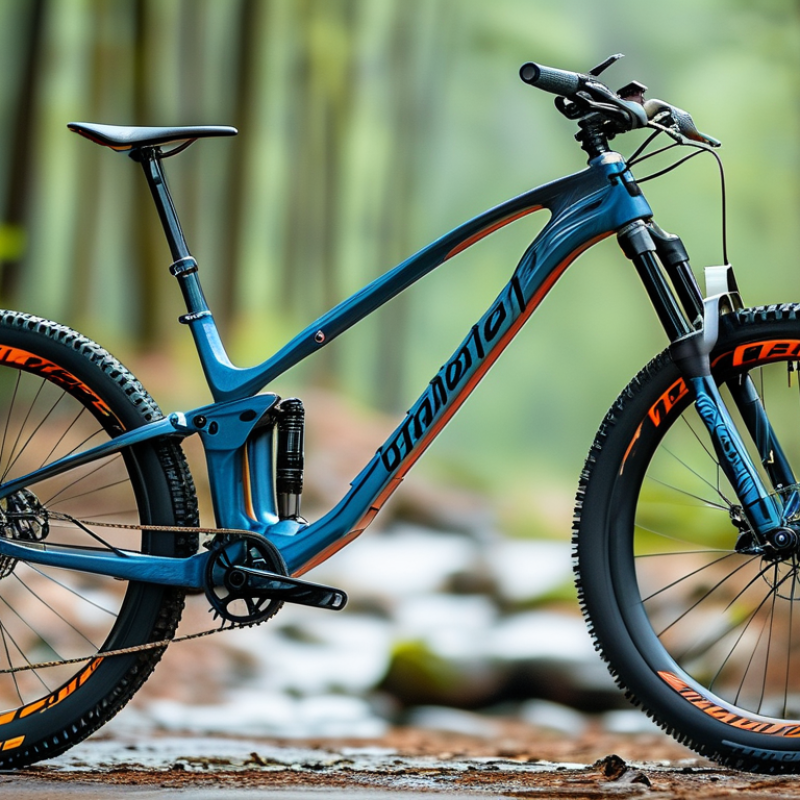
Top Innovations in Bicycle Fork Technology for 2026
The bike fork technology for 2026 is set to reshape cycling performance. The integration of lightweight materials and advanced designs aims to enhance durability while reducing weight. Carbon fiber and advanced alloys are becoming standard in high-performance forks. They offer an optimal balance between stiffness and flexibility, crucial for dealing with rough terrains.
Innovations like adjustable travel settings are gaining traction. This feature allows riders to tailor their bike's handling and responsiveness. Riders can switch between uphill efficiency and downhill stability with ease. Moreover, the incorporation of damping systems has improved shock absorption significantly. However, the complexity of these systems often raises questions about reliability and maintenance.
The aesthetics of fork design have also evolved. Sleeker lines and vibrant colors attract both professional and casual cyclists. Yet, as more brands innovate, the market is flooded with options, making it challenging to choose the right fork. Riders must consider their specific needs, terrain, and riding style. Balancing performance with personal preferences presents an interesting dilemma moving forward.
Key Features to Consider in High-Performance Bike Forks
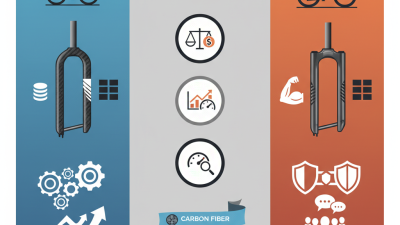
When selecting bike forks for high performance, several key features come into play. The material of the fork significantly impacts weight and strength. Carbon fiber offers lightweight benefits, while aluminum presents durability. Riders must consider their specific needs, as not all materials suit every terrain.
Suspension type is crucial for comfort and control. A well-tuned suspension system absorbs shocks effectively. Some riders may find rigid forks offer better efficiency on smooth trails, though these can lead to a harsher ride on rough terrain.
Understanding personal riding style can help clarify the best choice. Adjustment options also matter. The ability to fine-tune settings enhances the bike's performance. Many high-end forks now offer easy on-the-fly adjustments.
Riders should reflect on their local terrain and riding conditions. Ultimately, informed decisions depend on real-world experiences and honest feedback from the biking community.
Comparative Analysis of Leading Bike Fork Brands in 2026
In the realm of cycling, choosing the right bike forks is crucial for performance. In 2026, a comparative analysis of leading brands indicates that fork weight plays a significant role. Lighter forks can improve handling and speed, while also enhancing overall ride quality. According to a recent industry report, the ideal weight for competitive bike forks has decreased to around 700 grams for optimal performance. The stiffness-to-weight ratio remains a vital parameter, allowing riders to gain more control without sacrificing speed.
When exploring the market, several factors should be considered. The material used in the fork construction affects durability and ride feel. Carbon fiber is leading, valued for its strength and lightweight characteristics. However, aluminum remains popular for its affordability. Many cyclists reflect on their choice of materials. Sometimes, overvaluation of lighter options can lead to higher costs without noticeable performance gains.
While selecting a bike fork, remember to evaluate your riding style. Different terrains may demand different fork characteristics. For instance, downhill cyclists may prefer more travel for better shock absorption. It’s essential to read reviews and gather data from reliable sources to make an informed decision. Understanding one's needs can help avoid common pitfalls in purchasing decisions.
User Reviews and Experiences with the Best Bike Forks of 2026
When it comes to choosing the best bike forks for ultimate performance in 2026, user reviews play a crucial role. Riders often share their experiences, highlighting aspects such as ride quality, weight, and responsiveness. Many users agree that weight reduction significantly impacts overall performance. A lighter fork can enhance bike handling, especially during uphill climbs. However, some reviews express concerns regarding durability. Users occasionally experience bending or damage in rugged conditions.
Another common theme in user feedback is ease of installation and maintenance. Many cyclists appreciate designs that simplify set-up processes, saving them precious time. Some forks come with features that require minimal tuning, but users have faced challenges adapting to those systems. These experiences remind us that even the best technology can have a learning curve.
Overall, while enthusiasts rave about the advancements in bike fork technology, reflections emerge. Some users wish for more durability without sacrificing weight. Others feel overwhelmed by the variety of options, making decision-making difficult. It's imperative to navigate these reviews thoughtfully, as firsthand experiences reveal both the strengths and weaknesses of bike forks in 2026.
Future Trends in Bicycle Fork Design and Performance Improvements
The evolution of bicycle fork design is crucial for enhancing performance. In 2026, we are likely to see significant advancements in materials. Lightweight carbon composites offer strength while reducing weight, making them ideal for competitive cycling. Engineers are also exploring new shock absorption technologies. These will improve the rider's comfort and control over rough terrains.
Aerodynamics will play a key role in future designs. Forks with optimized shapes can reduce drag and enhance speed. However, balancing aerodynamic efficiency with structural integrity remains a challenge. Those seeking the ultimate ride experience must consider this complexity.
User customization is another emerging trend. Riders want more control over their settings. New designs may incorporate adjustable damping systems. This trend shows evolving rider demands, but it also raises questions about reliability. As we move forward, the focus must be on balancing innovation with practicality.
Best Bike Forks for Ultimate Performance in 2026? - Future Trends in Bicycle Fork Design and Performance Improvements
| Fork Type |
Material |
Weight (grams) |
Travel (mm) |
Damping Technology |
| Cross-Country |
Carbon Fiber |
1200 |
100 |
Open Bath |
| Trail |
Aluminum |
1500 |
130 |
Solo Air |
| Enduro |
Titanium |
1800 |
160 |
Adaptive Compression |
| Downhill |
Aluminum |
2000 |
200 |
Dual Crown |
| Fat Bike |
Steel |
2200 |
120 |
Spring Loaded |