Leave Your Message
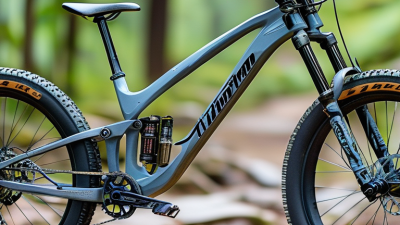
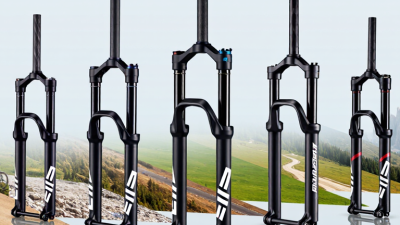
A front fork can change how a bicycle feels within the first few metres. It shapes steering, grip, comfort, and control when the trail turns rough. This guide examines ten leading manufacturers of Bike Suspension Front systems, with attention to how their forks perform beyond polished product photos.
“Good suspension keeps the front wheel composed without disconnecting the rider from the trail,” says suspension engineer Alex Morgan. That principle guides this comparison. It is not a substitute for measured test data, and product performance can vary with setup, rider weight, and terrain.
The overview considers travel, damping adjustment, chassis stiffness, axle compatibility, seal design, service access, and warranty support. A fork that feels calm on a rocky descent may seem harsh on a city path. Small details matter: a firm compression dial, a clean stanchion finish, or an awkward rebound knob can shape daily use.
Manufacturer reputation matters, but it is not the whole story. Some premium forks offer fine adjustment yet require specialist servicing. Some simpler models are easier to maintain, though their settings may feel limited. There is no perfect choice.
The following list is a starting point, not a lab ranking. Buyers should verify current specifications with manufacturers and compare forks against their frame, wheel size, riding style, and local service options. Even a well-reviewed fork can disappoint when poorly matched or set up.
Understanding Front Bicycle Suspension Systems
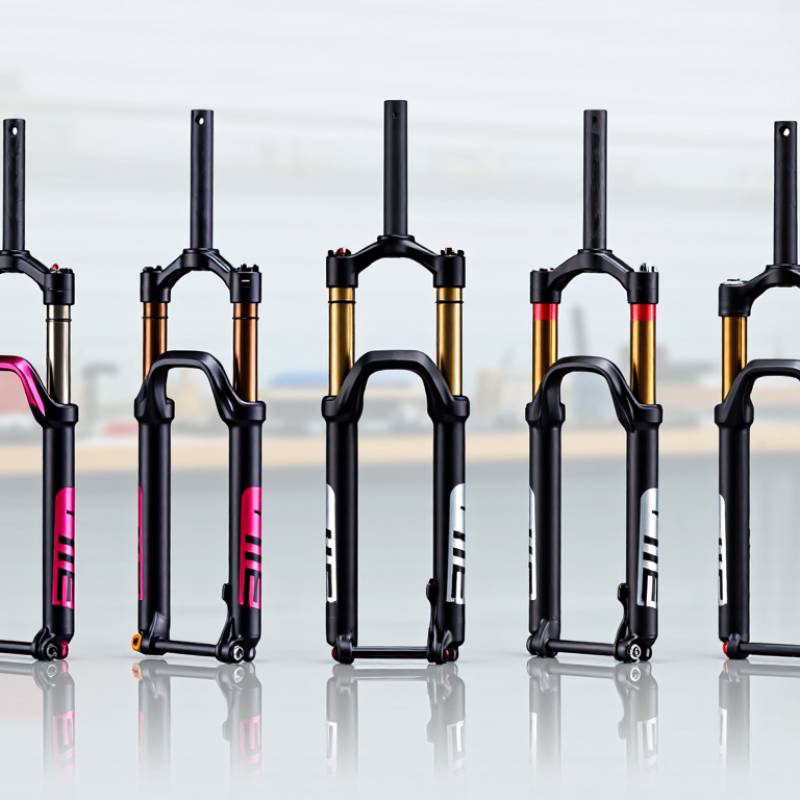
A front suspension fork lets the front wheel move over bumps while the handlebar and rider remain steadier. Its main parts are the spring, damper, stanchions, and lower legs. The spring compresses; the damper controls how quickly it returns. Too little damping can make the front end bounce. Too much can leave it harsh and slow to recover.
Travel is the fork’s available movement, not a direct measure of comfort. Cross-country designs commonly use about 80–120 mm, while many trail setups use roughly 120–160 mm. These are typical industry ranges, not universal targets. Rider weight, terrain, and frame geometry matter just as much. A 140 mm fork may feel composed on rocky paths, yet sluggish on smooth climbs. More travel is not always better.
Setup begins with sag: how far the fork settles under the rider’s weight. Measure it with riding gear on, then adjust air pressure or spring preload gradually. Check rebound on a short, familiar descent. ISO 4210-6:2023 defines safety test methods for bicycle frames and forks, but it does not prescribe a comfortable setup. That distinction matters. Suspension still requires careful adjustment, and even experienced riders may misread a setting when trail conditions change.
The table below compares common front-fork applications and typical design characteristics. Travel figures are indicative ranges, not universal standards; actual specifications depend on the bicycle, fork model, wheel size, and intended use. This is a technical overview, not a manufacturer ranking.
| Front Suspension Application | Typical Fork Travel | Common Spring Design | Typical Damping Features | Typical Use | Key Selection Consideration |
|---|---|---|---|---|---|
| Cross-country (XC) | About 100–120 mm | Air spring is common; coil options also exist | Compression and rebound adjustment on many models | Racing and varied cross-country trails | Balance low weight, pedaling support, and control |
| Trail mountain bike | About 120–150 mm | Air or coil | Rebound adjustment; some forks offer compression adjustment | General-purpose off-road riding | Check the frame’s approved fork travel and axle standard |
| Enduro mountain bike | About 150–180 mm | Air or coil | Adjustable rebound and compression are common | Steep, rough descents and all-day trail riding | Greater travel can affect geometry and climbing feel |
| Downhill mountain bike | About 180–200 mm or more | Coil and air designs are available | Broad compression and rebound tuning range | Lift-served and gravity-focused riding | Confirm frame compatibility and intended riding loads |
| Gravel with front suspension | Usually about 30–50 mm | Typically compact air or elastomer-based designs | Often simplified damping or limited adjustment | Rough roads, gravel, and long-distance comfort | Check tire clearance, fork offset, and frame geometry |
| Trekking and touring | Commonly about 50–80 mm | Coil or air | Basic preload and lockout may be available | Mixed surfaces and comfort-oriented riding | Verify compatibility with luggage, brakes, and wheel size |
| Urban and commuter | Often about 40–75 mm | Coil is common; air designs are also used | Simple preload or lockout on some models | Pavement, cycle paths, and occasional rough surfaces | Consider maintenance needs and total bicycle weight |
| Fat bike | Varies; commonly around 60–100 mm on suspended models | Air or coil, depending on design | Model-dependent; may include rebound adjustment | Sand, snow, and soft or uneven terrain | Confirm fork width and clearance for the specific tire and rim |
| Recreational mountain bike | Often about 80–120 mm | Coil is common; air options are available | Basic preload, rebound, or lockout depending on model | Leisure riding and moderate off-road trails | Match spring setup to rider weight and intended terrain |
| Children’s bicycle | Model-dependent; often shorter than adult MTB forks | Coil or simple elastomer systems are used on some models | Usually limited adjustment | Recreational riding on paths and light trails | Check that the fork responds appropriately to the child’s weight |
Compatibility note: Before selecting or replacing a fork, verify steerer dimensions, axle and hub standards, brake mount, wheel and tire clearance, axle-to-crown length, and the frame maker’s permitted travel range.