Leave Your Message

What Are the Best Air Suspension Forks in 2026?

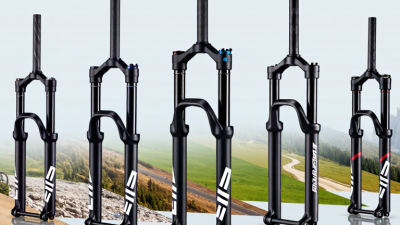
Choosing the best Air Suspension Fork in 2026 means looking beyond travel numbers and glossy product claims. Riders need a fork that suits their terrain, weight, riding style, and maintenance habits. A smooth fork on a rocky descent should track small bumps without diving under hard braking. On a long climb, it should remain supportive rather than bobbing with every pedal stroke.

The market context matters, too. PeopleForBikes’ 2024 U.S. Bicycling Participation Report estimated that 112 million Americans rode a bicycle in 2023. That figure describes cycling broadly, not demand for suspension forks specifically. Still, it signals a large and varied rider community, with different needs and budgets. Small details matter. A lighter fork may feel lively on climbs, while adjustable low-speed compression can help control brake dive. Neither feature guarantees a better ride.

Suspension educator Steve Mathews, founder of Vorsprung Suspension, emphasizes through his technical guidance that setup is central to suspension performance; the right component still needs appropriate sag and damping. That is practical advice, but setup alone cannot erase a poor fit or unsuitable travel. Not always. This guide compares leading 2026 options by weight, adjustability, trail feel, service support, and value. It also flags trade-offs, because fork specifications do not tell the whole story. Your local trails may prove a lab-style ranking wrong.
What Are the Best Air Suspension Forks in 2026?

How Air Suspension Forks Work and Who Benefits From Them

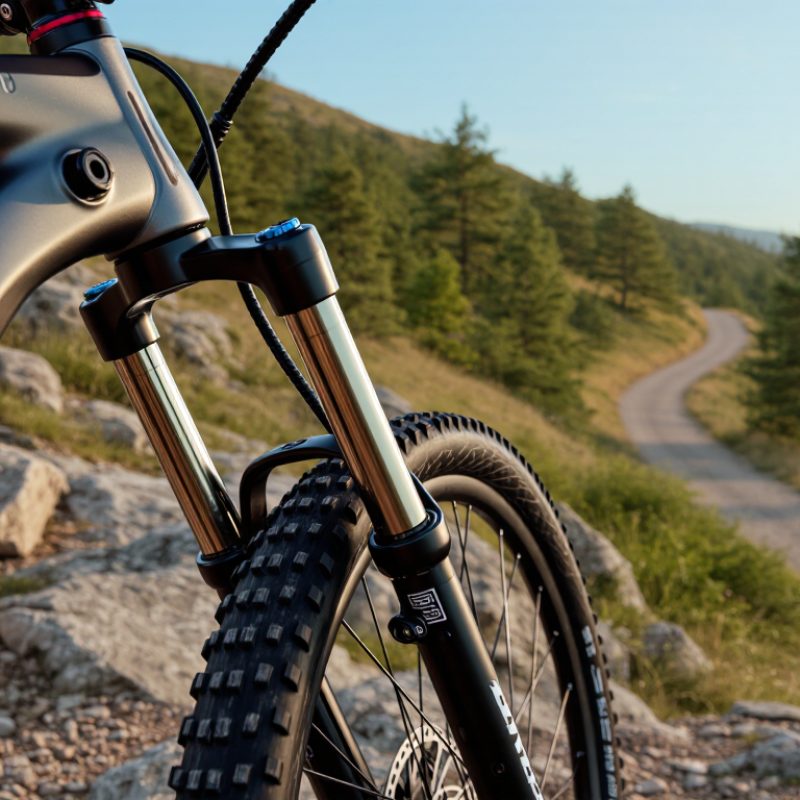
An air suspension fork uses compressed air as its spring.

As the fork moves, air pressure rises and resists further compression. A negative-air chamber helps reduce harshness at the start of travel, while an oil damper controls how quickly the fork moves.

Small changes matter. Riders can adjust pressure and, on some forks, add volume spacers to tune support. Technical setup guides commonly suggest around 20–30% sag for trail riding, but the fork’s own chart should take priority. More pressure is not automatically better.

Air forks can suit riders who want adjustable support, especially when terrain or riding gear changes. They can also be lighter than comparable coil-spring designs, though construction varies. IMBA’s Trail Difficulty Rating System divides trails into five levels, from easiest to expert-only; riders tackling varied terrain may value a fork they can tune.

A small pump and occasional pressure checks are part of ownership. Not effortless.

I still find sag easy to overthink: use it as a starting point, then judge comfort, traction, and bottom-outs on familiar trails.
Which Features Matter When Choosing an Air Suspension Fork

Choosing an air suspension fork starts with fit, not a feature list. Match its wheel size, travel, steerer tube, and axle standard to your frame. A mismatch can affect handling or make installation impossible. Check the manufacturer’s compatibility guidance before comparing extras.

Travel should suit your trails. More travel can soften repeated impacts, but it may raise the front end and change steering. Set sag with your riding gear on; a shock pump and a helper make this easier. Small details matter. If the fork dives through its travel, add air gradually and retest. Too much pressure can make it harsh on roots and braking bumps.

Look for rebound adjustment, which controls how quickly the fork extends after a hit. A useful range lets you avoid a sluggish feel or a springy front wheel. Compression settings can help on smoother climbs, though extra knobs are not automatically better. I used to assume more adjustments meant better control; that is not always true. Consider weight, seal quality, and service intervals too. Dusty rides can expose weak sealing, while neglected maintenance often costs more than a simple feature upgrade. Compare the recommended service schedule with the support available where you ride.

The Best Air Suspension Forks to Consider in 2026

The best air suspension forks to consider in 2026 are not simply the lightest or most expensive. Match travel and stiffness to your terrain, bike, and riding style. A cross-country rider may prefer a shorter-travel fork that climbs efficiently, while rocky trails often call for more travel and stronger chassis support. Check axle, brake, and wheel compatibility before comparing features. A mismatch can turn a promising upgrade into an expensive headache.

Air pressure sets the fork’s support, so use the manufacturer’s starting chart, then measure sag with riding gear on. About 20 to 30 percent sag is a common trail-bike starting point, but the ideal figure depends on the fork and terrain. Adjust rebound in small steps. If the front wheel skips across roots, rebound may be too slow; if the fork feels springy, it may be too fast. Tiny changes matter.

Look for easy-to-find service instructions, replacement seals, and clear pressure guidance. Dusty rides and wet trails both put the seals to work. Regular cleaning helps, but it does not replace scheduled servicing. Keep a simple note of pressure and settings. I find setup can still feel fiddly, especially when conditions change. That is normal. A fork that is easy to tune and maintain may serve you better than one with extra adjustments you rarely use.

How Leading Forks Compare Across Riding Styles and Budgets

The best air suspension fork depends less on a headline feature than on where and how you ride. For cross-country routes, a lighter fork with moderate travel can feel lively on climbs and smoother over roots. Trail riders may prefer extra travel and adjustable compression for rocky descents, though added weight can dull the bike on long climbs. For bike parks, stiffness and heat management matter more than saving a few grams. There is no perfect setting.

Budget forks can work well when their air spring is easy to tune and replacement seals are available. Higher-priced options often add finer damping adjustment, lower friction, or lighter construction, but those gains matter most to riders who notice small changes. Check the fork’s travel, axle standard, and steerer compatibility before comparing prices. Fit comes first. Set air pressure using the maker’s guide, then check sag with riding gear on; a pump reading alone cannot show how the fork behaves on trail. I would not assume more adjustments mean a better ride. A simple fork that stays consistent may suit a casual rider better than a complex one that rarely gets tuned.

What Are the Best Air Suspension Forks in 2026? — How Leading Forks Compare Across Riding Styles and Budgets

Fork Category Typical Travel Best Suited To Typical Design Priorities Common Adjustments Approximate New Price (USD) Main Trade-Off
Cross-country 100–120 mm Cross-country racing, long climbs, and fast riding on relatively smooth trails Low weight, efficient pedaling feel, and precise steering Air pressure, rebound; compression adjustment or a firm setting on some versions $300–$900 Lower travel and lighter-duty construction offer less margin for repeated hard impacts.
Down-country / light trail 120–140 mm All-day trail rides with a mix of climbing, flow trails, and moderate technical sections A balance of low weight, small-bump comfort, and descending control Air pressure, rebound, and compression support, depending on configuration $400–$1,000 More versatile than a short-travel race fork, but not as robust as a long-travel enduro design.
Trail 130–150 mm General-purpose mountain biking across varied terrain Balanced stiffness, usable travel, and adjustable support Air pressure, rebound, and compression; some designs also allow spring-volume tuning $450–$1,100 Typically weighs more than an XC fork and offers less impact capacity than longer-travel options.
All-mountain 150–170 mm Steep, rough trails and riders who prioritize descending while still pedaling uphill Chassis stiffness, mid-stroke support, and control on repeated impacts Air pressure, rebound, compression, and often adjustable spring volume $600–$1,200 Greater travel and stronger construction add weight and can feel less lively on smoother trails.
Enduro 160–180 mm High-speed descents, rough terrain, and enduro-style riding Impact control, steering stiffness, and consistent performance during sustained descents Air pressure, rebound, compression, and spring-volume tuning on many models $700–$1,400 Often heavier and less efficient-feeling for climbing or everyday trail use.
Value-oriented trail 120–150 mm Recreational trail riding and riders seeking an air-spring fork at a lower price Basic adjustability, straightforward setup, and compatibility with the intended bike Usually air pressure and rebound; compression adjustment varies $200–$500 May have fewer damping adjustments, a heavier chassis, or less refined small-bump response than higher-priced options.

Price ranges are approximate category-level estimates in US dollars, not quotes for a specific fork. Travel, wheel size, axle standard, steerer, brake mount, and frame geometry should all be checked for compatibility before purchase.

How to Choose, Set Up, and Maintain Your Fork

Choosing an air fork starts with fit, not a trendy feature list. Match wheel size, axle, steerer, and travel to your frame; then consider terrain and riding style. For setup, measure sag in riding gear with your usual pack. A practical starting range is 15–20% of travel for firmer cross-country riding and 20–25% for trail use. These are starting points, not laws. ISO 4210-6:2023 specifies bicycle-fork impact and fatigue tests, but it does not set rider pressure or sag. Use the fork’s setup chart, then adjust one variable at a time. Small changes matter.

Tips: Add air in small steps, cycle the fork several times to equalize its chambers, then recheck sag. Set rebound so the fork returns smoothly without bouncing your hands off the grips. Record pressure, sag, and rebound clicks in your phone. I sometimes forget this and end up guessing later.

Dust is abrasive. Wipe the stanchions after rides, and inspect for oil leaks, scratches, or damaged seals. Many suspension service schedules call for lower-leg service near 50 riding hours, but mud, dust, and frequent washing can shorten that interval. Check the specific service schedule for your fork; delayed maintenance can increase wear and make small setup problems harder to diagnose.