Leave Your Message

How to Choose the Right Bicycle Front Suspension

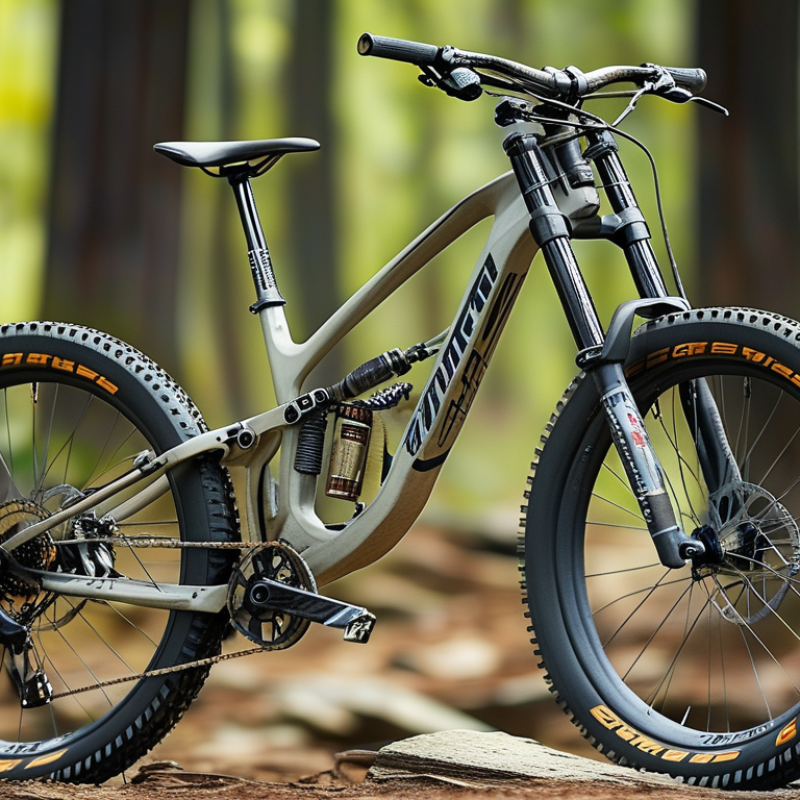
Choosing the right Bicycle Front Suspension can transform a harsh trail into a controlled, confident ride. It can also create unnecessary weight, cost, and maintenance when selected carelessly. Your terrain, riding style, body weight, and frame design should guide the decision. A lightweight cross-country fork may suit smooth climbs and fast forest paths. It may feel limited on rocky descents. A longer-travel enduro fork offers greater control, but it can reduce climbing efficiency.

Bicycle industry designer Keith Bontrager once said, “Strong, light, cheap. Pick two.” That principle still matters when comparing suspension forks. Riders should examine travel length, wheel compatibility, axle standards, steerer type, damping adjustment, and air-spring range. A fork with adjustable rebound can prevent the front wheel from bouncing after impacts. Low-speed compression adjustment may improve braking stability and cornering support. These features sound technical. They become noticeable on the trail.

A proper setup matters as much as the fork itself. Measure sag with your normal riding gear, then test the fork on familiar ground. Start conservatively. Change one setting at a time. Many riders chase stiffness and overlook comfort. That is a mistake, sometimes. Regular cleaning, seal inspection, and scheduled servicing protect performance and safety. Manufacturer recommendations remain essential because designs differ. The perfect Bicycle Front Suspension does not exist for every rider. The right choice balances control, comfort, weight, budget, and honest expectations.
How to Choose the Right Bicycle Front Suspension

Understanding Bicycle Front Suspension and Its Main Functions

How to Choose the Right Bicycle Front Suspension

Understanding Bicycle Front Suspension and Its Main Functions

A front suspension fork manages impacts between the front wheel and the rider’s hands. It compresses over roots, potholes, and loose stones. This keeps the tire in contact with the ground. Better contact can improve braking, steering, and comfort. According to ISO 4210-2:2023, bicycle safety testing includes requirements for fork strength and durability. Suspension is not only a comfort feature. It is a structural and control component.

Travel, spring type, damping, and axle stiffness shape the riding experience. Short travel often suits smooth paths and lighter cross-country use. Longer travel helps absorb repeated impacts on rough trails. A common setup range is 15–30% sag, measured while seated in normal riding gear. Too little sag feels harsh. Too much sag may reduce steering precision. The 2024 Outdoor Participation Trends Report recorded over 110 million Americans cycling in 2023, showing how widely different riding conditions can vary. One setting cannot suit everyone.

Tips: Start with the manufacturer’s recommended air pressure or spring rate. Measure sag with your actual helmet, pack, and shoes. Test the fork on a familiar route, then adjust one setting at a time. Check rebound after compression; a fork that returns too quickly can feel unstable. I still sometimes choose comfort too quickly, then notice vague steering later. That small mistake is useful feedback. Record each adjustment, because memory is unreliable.
Matching Suspension Type to Your Riding Style and Terrain

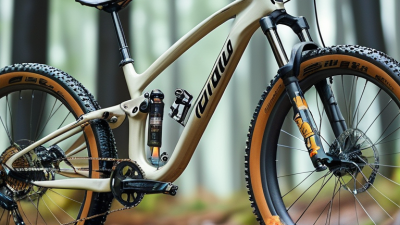
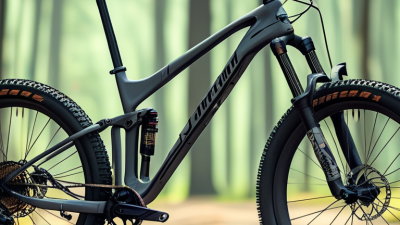
Choosing the right bicycle front suspension begins with your riding style, not the fork’s travel number. Cross-country riders often value low weight and efficient climbing. A short-travel air fork suits smooth forest paths and frequent uphill sections. It also allows quick pressure adjustments. Trail riders face roots, rocks, and sudden drops. They usually benefit from medium travel, adjustable rebound, and a stronger chassis. Enduro riders need more control on steep descents. Longer travel and consistent damping can reduce hand fatigue. My own mistake was choosing too much travel for gentle local trails. The bicycle felt slower and less precise.

Terrain changes the decision further. Hard-packed dirt rewards a firm setup. Wet roots require controlled rebound, not maximum softness. Loose stone demands usable grip through the front wheel. The Outdoor Foundation’s 2023 Outdoor Participation Trends Report recorded about 9.5 million U.S. mountain-bike participants in 2022. PeopleForBikes’ 2023 U.S. Bicycling Participation Report also reported 112 million Americans riding bicycles that year. Those figures show how varied real-world riding has become. A beginner may need simple adjustments more than advanced controls. Set sag with normal riding gear, then test the fork on familiar terrain. Start conservatively. Record pressure, rebound clicks, and trail conditions. Suspension setup is partly technical, partly personal, and sometimes inconveniently experimental. Even experienced riders can misread a fork after one short test loop.

Choosing the Correct Travel, Wheel Size, and Suspension Geometry

How to Choose the Right Bicycle Front Suspension

Choosing the correct travel begins with your terrain, not the biggest number available. Shorter travel keeps steering precise on gravel, forest roads, and moderate trails. Longer travel absorbs repeated drops, rocks, and harsh landings, but it can make climbing less efficient. Set sag according to the manufacturer’s guidance, then test braking and cornering. I once chose too much travel for a local trail, and the bicycle felt slow and vague. More suspension was not automatically better.

Wheel size changes how the suspension behaves. Larger wheels roll over roots more smoothly and maintain speed across rough ground. Smaller wheels can feel quicker and suit shorter riders or tighter trails. Check clearance carefully, especially with full compression. Suspension geometry matters just as much. A slacker head angle improves stability on steep descents, while a steeper angle usually creates sharper handling. However, changing fork travel can alter the head angle, bottom bracket height, and weight distribution. That adjustment is easy to underestimate.

Tips: Match travel to your regular terrain, not rare adventures. Measure your current axle-to-crown length before changing suspension. Test one adjustment at a time. Record sag, rebound clicks, and tire pressure after each ride. If steering feels nervous, your setup may be too steep or lightly damped. If it feels dull, you may have chosen excessive travel or insufficient rebound control. A short test loop often reveals more than impressive specifications.

Comparing Spring Systems, Damping, and Adjustment Features

How to Choose the Right Bicycle Front Suspension

A front suspension fork should match your terrain, riding style, and maintenance habits. Coil springs feel consistent and handle repeated impacts well. They often suit commuting, touring, and rough woodland paths. Air springs weigh less and offer easier fine-tuning. However, they need pressure checks and can feel harsh when incorrectly adjusted.

Damping controls how quickly the fork compresses and returns. Compression damping reduces excessive diving during braking and hard landings. Rebound damping controls the fork’s return speed after an impact. On a rocky trail, too much rebound can make the handlebar feel nervous. Too little rebound may leave the fork packed down through repeated bumps. I once used excessive rebound damping and blamed the trail. The real problem was my setup.

Look for practical adjustment features, not the longest feature list. Preload changes the initial spring resistance, but it cannot replace correct spring pressure. Low-speed compression helps control braking movement and smooth rollers. High-speed compression can manage sharper impacts, although its effect varies between suspension designs. Adjust one setting at a time, then test the same section of trail. Record your changes. Small notes are surprisingly useful.

Riders should also check travel, axle stiffness, and service intervals. A heavier rider may need a firmer spring or higher air pressure. Use the manufacturer’s pressure chart as a starting point, not absolute truth. Temperature, riding position, and luggage can change the result. I still make occasional poor adjustments, especially before long rides. That is why a short test loop matters.

How to Choose the Right Bicycle Front Suspension

Comparing spring systems, damping behavior, and adjustment features

Air springs provide the widest rider-weight tuning range and naturally progressive support. Coil springs are valued for consistent small-bump sensitivity but usually require spring-rate changes for major weight adjustments. Elastomer systems are simple and low-maintenance, though they generally offer less precise tuning. Rebound and compression damping depend mainly on the damper cartridge, so adjustment availability varies by fork design.

Checking Compatibility, Maintenance Needs, and Overall Value

How to Choose the Right Bicycle Front Suspension

Compatibility should be checked before comfort or appearance. Measure the wheel size, axle spacing, steerer diameter, and available travel. Confirm the brake mount and tire clearance, too. Look underneath. A fork with excessive travel can change the bicycle’s head angle, handling, and frame stress. My first upgrade ignored this detail, and the steering felt slower on tight trails.

Maintenance needs affect real value. Seals, bushings, oil, and labor create recurring costs, even when the fork feels smooth. Service intervals depend on dust, rain, riding hours, and rider weight. Short city trips usually demand less attention than muddy mountain rides. PeopleForBikes’ 2024 Participation Report reported that 112 million Americans rode bicycles in 2023. That scale makes dependable maintenance access important, not a minor convenience. Local technicians should explain service pricing before installation.

Overall value means performance divided by ownership cost. Compare the fork’s purchase price with future servicing, replacement parts, and possible downtime. The European Bicycle Industry and Market Profile 2024 reported 5.1 million bicycles produced in Europe during 2023, showing a large but varied parts market. Availability can still differ sharply between regions. A cheaper fork may become expensive after one difficult-to-source seal kit. I also question whether maximum travel is necessary for casual paths. More travel is not automatically better. Choose the travel that matches your terrain, frame design, and maintenance habits.