7 Tips for Choosing Bicycle Front Suspension?
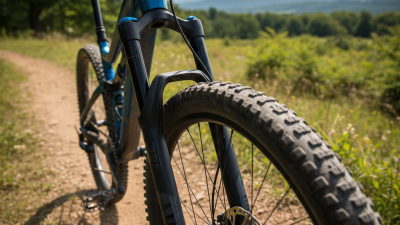
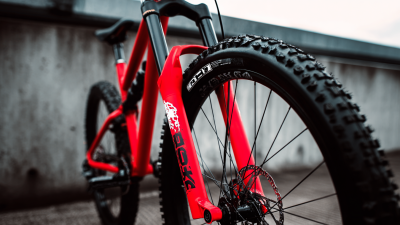
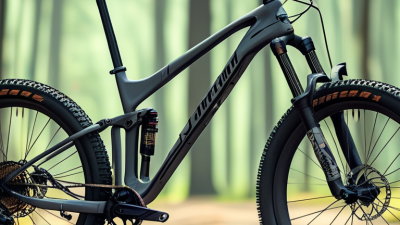
Choosing a Bicycle Front Suspension is not simply a matter of buying the longest travel or lightest fork. It affects steering accuracy, braking control, comfort, and tire grip. A poorly matched fork can feel harsh on a rocky descent, vague through a tight corner, or dangerously low under braking.
Industry reports support this growing attention. The Bicycle Product Suppliers Association and PeopleForBikes have reported continued demand for mountain bikes, trail equipment, and performance upgrades in recent market reviews. Grand View Research also identifies suspension systems as an important value component within the global bicycle market. However, most reports do not separate front forks from complete bicycles. That limitation matters. Sales figures cannot replace hands-on testing.
Suspension engineer Jordi Cortes has often explained the practical goal this way: “Suspension is about keeping the tire connected to the ground.” That principle should guide every choice. Consider wheel size, travel, air-spring adjustment, damping control, axle standards, and rider weight. Picture a wet root section, a sharp curb, or repeated braking bumps. The correct fork should remain composed there, not only look impressive in a showroom.
This guide presents seven useful tips for selecting a Bicycle Front Suspension. It compares real riding conditions with technical specifications, including rebound adjustment and compression support. Some recommendations may not suit every rider. That is intentional. Personal technique, maintenance habits, and local terrain can change the answer. A lighter fork may climb better, yet a sturdier model could offer greater confidence and durability. The best decision is rarely the most expensive one.
Identify Your Riding Style and Terrain
7 Tips for Choosing Bicycle Front Suspension
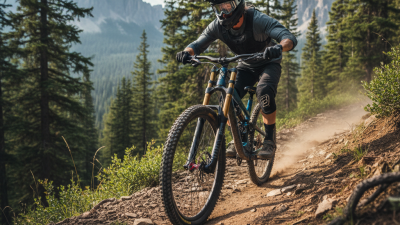
Identify your riding style before comparing travel, damping, or axle standards. PeopleForBikes’ 2023 U.S. Bicycling Participation Report recorded 112 million bicycle riders in 2022. That broad participation includes commuters, casual riders, and trail users. Their needs differ sharply. Smooth park paths rarely require aggressive suspension. Rocky descents demand controlled movement and stronger support. On a recent trail ride, I noticed that excessive travel felt impressive but reduced steering precision on tight climbs. More is not always better.
Tip 1: Map your usual terrain, not your dream route. Tip 2: Choose shorter travel for pavement and light gravel. Tip 3: Consider roughly 15–25% sag for cross-country riding. Tip 4: Use more sag when traction matters on loose ground. Tip 5: Check wheel size, axle spacing, and frame clearance. Tip 6: Prioritize adjustable rebound for repeated bumps. Tip 7: Ask a qualified technician to verify setup.
The Outdoor Foundation’s 2024 Outdoor Participation Trends Report shows continued demand for accessible outdoor activities, including cycling. That growth makes simple, adaptable equipment valuable. Still, reports describe broad behavior, not your local trail. Wet roots, sharp rocks, and long climbs can change the correct choice. A suspension fork that feels smooth in a shop may dive under braking outside. Test the setup slowly, record your sag, and reconsider after several rides. My first setting was too soft. It worked, but not well.
7 Tips for Choosing Bicycle Front Suspension: Identify Your Riding Style and Terrain
Front suspension travel should match the roughness, speed, and technical difficulty of your usual routes.
The values below show typical travel ranges for different riding conditions, using the midpoint of each range
as a practical comparison. Shorter travel improves efficiency on smooth surfaces, while longer travel provides
more control and impact absorption on steep, rocky, and high-speed terrain.
- Match the suspension to your most frequent terrain.
- Choose shorter travel for paved roads and smooth gravel.
- Consider around 100–120 mm for cross-country riding.
- Use approximately 120–150 mm for general trail riding.
- Choose longer travel when riding steep, rough, or technical routes.
- Check wheel size, frame clearance, and manufacturer specifications.
- Set sag, rebound, and air pressure according to your weight and riding conditions.
Choose the Appropriate Suspension Travel
Choosing the right suspension travel starts with your usual terrain, not a number printed on a chart. Smooth paths need less travel, while rocky descents demand more control. A short-travel fork often feels quicker on climbs and tighter turns. A longer fork absorbs deeper impacts, but it can add weight and reduce steering precision.
I once fitted more travel than my local trails required. The front end rose slightly, and climbing became awkward on steep sections. The steering also felt slower than expected. That mistake taught me to consider the bicycle’s original geometry, frame clearance, and intended riding style. Cross-country riding commonly suits moderate travel, while aggressive trail riding may need a longer range. Downhill terrain requires even more support and impact capacity.
Rider weight matters, too. A heavier rider may need stronger spring support, not simply extra travel. Set sag according to the suspension maker’s technical guidance, then test the fork on familiar ground. Watch how much travel the indicator uses after a normal ride. If it rarely reaches the final portion, the setup may feel unnecessarily firm. If it bottoms out harshly, increase support before changing travel. Tire pressure, rebound speed, and body position also affect performance. Small adjustments can reveal more than an expensive replacement. My own settings still change with temperature, equipment, and trail conditions. Perfect numbers are harder to find than expected.
Check Compatibility with Your Bicycle
Choosing a bicycle front suspension begins with compatibility, not appearance. Measure your wheel size, steerer tube diameter, axle spacing, and current fork travel. These dimensions must match your frame and front wheel precisely. A fork for a different wheel size can change handling and tire clearance.
Check the steerer length before purchasing. It must extend far enough through the head tube, headset, and spacers. Too short is unsafe; too long may require adjustment. Confirm the steerer shape, headset standard, and crown race fit as well. I once measured only the visible tube and missed the required spacer height. That mistake delayed installation.
Your frame also sets limits. Compare the proposed travel with the original specification, because extra travel can alter steering angles and stress the frame. Check the brake mount, rotor size, and axle type. Measure the tire width against the fork’s stated clearance, leaving room for mud and wheel flex. Manufacturer service documents are useful, but physical measurements still matter. Take photos and record each number. A qualified bicycle mechanic can verify uncertain standards, especially on older frames. Test fit slowly, without forcing parts. Small mismatches can cause strange steering, rubbing, or loose bearings. Compatibility is not always obvious.
Evaluate Adjustability, Maintenance, and Cost
7 Tips for Choosing Bicycle Front Suspension
A front suspension fork should match your terrain, not your imagination.
The Outdoor Industry Association’s 2024 Outdoor Participation Trends Report recorded more than 50 million U.S. cycling participants in 2023. That wider audience includes commuters, trail riders, and occasional users. Their suspension needs differ sharply.
Check adjustability before chasing travel length.
Rebound control helps the fork return smoothly after a root or curb. Low-speed compression can reduce unwanted diving during braking. Preload adjustment matters for rider weight, but it cannot replace the correct spring rate.
I once overvalued extra travel and ignored setup. The ride felt dull. That mistake still influences my buying checks.
Maintenance affects real cost.
Ask whether seals, bushings, and damping oil have clear service intervals. The Bicycle Product Suppliers Association’s industry guidance commonly places routine fork inspection within regular annual workshop care, with shorter intervals for wet, dusty riding. Confirm local labor prices before purchase.
A cheaper fork may need more frequent servicing. A premium-looking adjustment can also be useless if riders never learn to tune it.
Compare the full ownership cost.
Include tools, replacement seals, service labor, and possible downtime. Consumer spending data from Circana’s cycling market reporting shows buyers remain value-conscious after pandemic-era price changes. That makes durability important.
Test the fork if possible. Turn each dial. Feel for play at the crown and axle. Read the service manual, not only the sales description.