Leave Your Message

What Is the Best Front Bike Suspension for 2026?

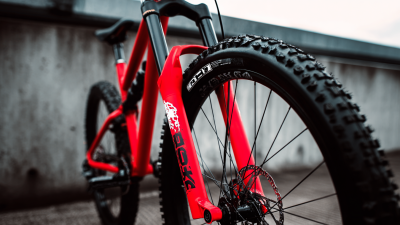
Choosing the best front suspension for 2026 starts with the rider, the terrain, and the bike’s intended use. A Bike Suspension Front setup that feels controlled on rocky trails may feel heavy or unnecessary on smooth roads. Small details matter: fork travel, spring type, damping adjustment, axle standard, and compatibility with the frame and wheel. A few millimeters can change the bike’s handling. So can tire pressure.

This guide compares the features that shape real-world performance, rather than treating price or brand reputation as the whole story. It looks at how air and coil springs behave, what rebound and compression controls can—and cannot—adjust, and why setup should match rider weight and typical trails. That matters. A fork that feels plush in a shop may dive under braking or transmit sharp impacts once the trail turns rough. Rider reports are useful, but they are not controlled tests; riding style, maintenance, and terrain all affect impressions. No fork wins everywhere. The goal is to identify a dependable match for your budget and riding, then check fit and service requirements before buying. One honest caveat: product specifications alone cannot predict comfort. A short test ride, when available, can reveal more than a long feature list.
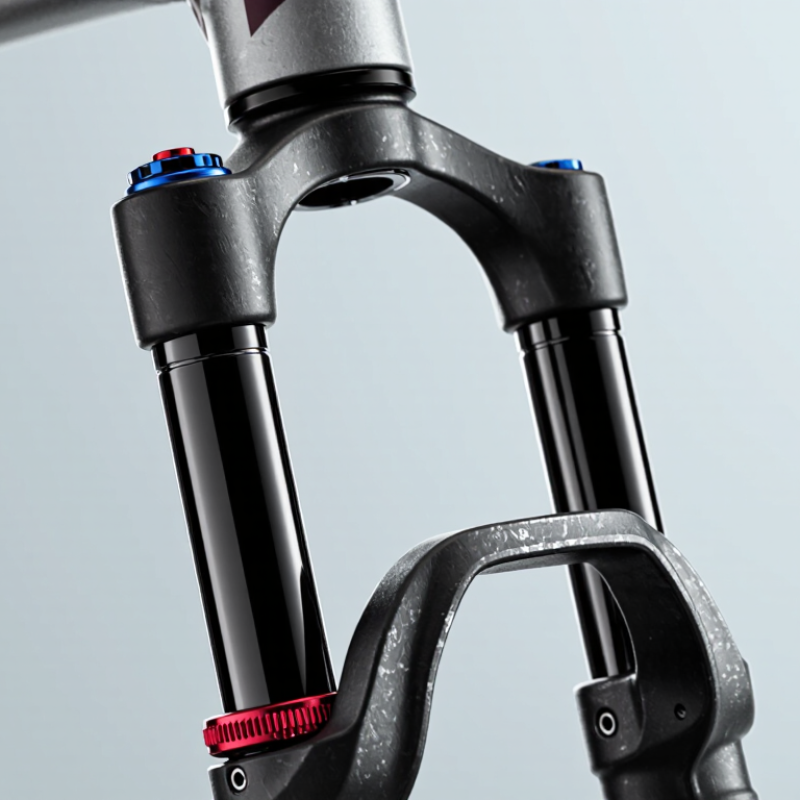
What Is the Best Front Bike Suspension for 2026?

What Front Bike Suspension Does and How It Works

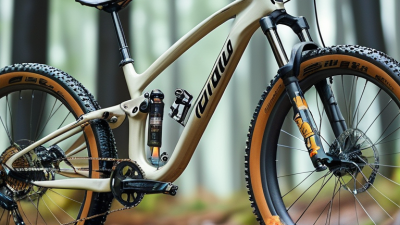
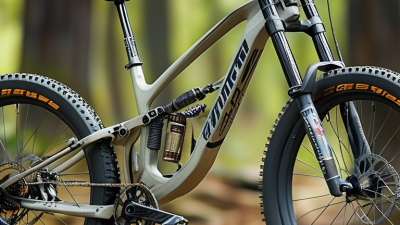
Front suspension uses a spring to absorb impacts and a damper to control the spring’s rebound. When the wheel hits a root, the fork compresses, helping keep the tire in contact with the trail. The spring may be air or coil; the damper manages oil flow through internal valves. Too little damping can make the fork bounce. Too much can make it feel harsh. Small details matter.

Travel is the fork’s available movement, but more is not automatically better. A longer-travel fork can handle larger impacts, while adding weight and changing steering feel. ISO 4210-6:2023 sets frame-and-fork test methods that include fatigue and impact assessments. These tests address structural safety, not ride comfort or ideal setup. That distinction is easy to miss. No standard can choose the right fork for every rider and trail.

Tips: Set sag with your normal riding gear, then adjust rebound in small steps. A common starting point is about 15–20% sag for many mountain-bike forks; check the fork maker’s setup guidance. Record each change. If the front wheel skips over roots, pause and reassess—more pressure is not always the fix.
What Is the Best Front Bike Suspension for 2026?

There is no single best amount of front suspension travel for every rider. The right choice depends on terrain, riding style, and bike design.

How it works: The fork compresses to absorb impacts. A spring supports the rider and returns the fork, while a damper controls compression and rebound. The ranges shown are typical examples, not fixed standards; models and setups vary.

Major Types of Front Suspension Forks

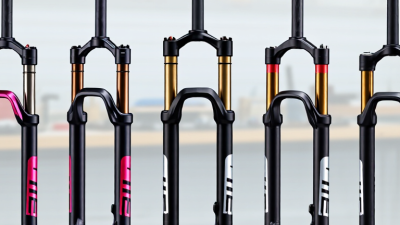
Front suspension forks are commonly distinguished by their spring system and damping. Coil-spring forks use a metal spring to absorb impacts. They feel consistent over repeated bumps and often suit riders who value simple setup. Their trade-offs are extra weight and fewer easy adjustments. Air-spring forks use compressed air, adjusted with a shock pump. Changing pressure can help match the fork to rider weight and riding style. Small changes matter.

Damping controls how quickly the fork compresses and returns. Basic forks may offer limited adjustment, while more advanced models let riders tune rebound and compression. Too little rebound control can make the front end bounce; too much may leave it feeling slow over successive hits. Setup takes patience.

Travel is another useful comparison, though it is not a spring type. Shorter-travel forks generally suit smoother trails and efficient handling; longer-travel designs are built for rougher terrain. More travel is not automatically better. A fork should match the frame’s design and the rider’s usual routes. Rigid forks remain an option for smooth paths, with less weight and no suspension maintenance, but they transmit more vibration to the hands. There is no perfect category for every ride.

What Is the Best Front Bike Suspension for 2026? - Major Types of Front Suspension Forks

Fork type How it works Typical travel Main advantages Trade-offs Best suited to
Rigid fork Has no suspension spring or damping; the fork is a fixed structure. 0 mm Simple, low-maintenance, and generally lighter than a suspension fork. Does not absorb repeated bumps; comfort depends more on tires, pressure, and riding position. Smooth roads, many gravel routes, and riders prioritizing simplicity.
Coil-sprung telescopic fork A metal coil spring compresses inside the fork; damping may be basic or adjustable. About 60–200 mm, depending on intended use and fork design. Consistent spring feel and straightforward operation; often performs well under sustained use. Typically heavier than a comparable air-sprung fork; spring rate may require a different coil to suit rider weight. Trail and downhill riding, especially when durability and a predictable feel are priorities.
Air-sprung telescopic fork Compressed air acts as the spring; pressure is adjusted to tune support for the rider and setup. About 60–200 mm, depending on intended use and fork design. Wide adjustability without swapping a metal coil; usually lighter than a comparable coil model. Needs periodic pressure checks and appropriate seals; setup can take experimentation. Cross-country, trail, and all-mountain riding where adjustability and lower weight are useful.
Elastomer-sprung fork Elastomer blocks deform to provide spring action; some designs combine elastomers with a coil or basic damping. Usually short travel, often around 30–80 mm. Mechanically simple and can reduce small impacts on light-duty bikes. Less adjustable; elastomer feel and performance can change with temperature and material aging. Light recreational use and some older or entry-level bicycle designs.
Inverted (USD) fork An upside-down telescopic layout places the larger outer tubes above the lower legs. It may use a coil or air spring. Varies by model; commonly designed for trail, enduro, or downhill travel. The larger upper tubes can provide a different stiffness and sliding-bushing layout. It is a fork layout, not a spring type; performance, weight, stiffness, and maintenance depend on the particular design. Specialized mountain-bike setups where the specific fork’s handling and service characteristics suit the rider.

Travel figures are broad, representative ranges rather than specifications for every fork. The best choice depends on terrain, bicycle compatibility, rider weight, desired maintenance, and preferred suspension feel. Inverted describes a fork layout; it can overlap with coil- or air-spring designs.

How Riding Style and Terrain Shape Fork Choice

What Is the Best Front Bike Suspension for 2026?

How Riding Style and Terrain Shape Fork Choice

The best fork is the one that fits your trails, pace, and bike geometry—not the one with the most travel. The Outdoor Industry Association’s 2024 Outdoor Participation Trends Report counted 175.8 million U.S. outdoor participants. That broad figure is no fork-setting guide, but it reflects how varied recreation can be. A smooth local loop asks less of a suspension system than repeated rock gardens or steep, braking-heavy descents.

For cross-country routes and firm trails, roughly 100–120 mm of front travel can keep steering lively and reduce weight. General trail riding often suits about 130–150 mm, while rough, steep terrain may call for 150–170 mm. These are useful starting ranges, not rules; check the frame maker’s approved limits. Small details matter. Tire pressure, sag, and rebound can change comfort and control as much as a travel upgrade. Too much travel may raise the front end and alter handling.

Match the fork to the ride you actually do most often. If your routes mix hardpack with short, jagged descents, a balanced trail setup may make more sense than a downhill-focused one. A useful correction: more travel does not automatically mean more control. Set sag with riding gear on, then test braking bumps and turns on familiar ground. Change one setting at a time, and note what feels better—or worse.

Key Features to Compare in 2026 Suspension Forks

A suitable front suspension fork should match your riding, not just a trend. Compare travel with your frame’s approved range; extra travel can alter handling and geometry. For rough trails, more travel may help absorb repeated impacts. On smoother paths, a shorter-travel fork can feel more precise. Check wheel size, axle type, and steerer compatibility before comparing performance.

Next, consider the spring and damping. Air springs allow pressure adjustments for rider weight, while coil springs often feel consistent over small bumps. Rebound adjustment controls how quickly the fork extends after compression. Compression settings can help manage diving under braking, but more knobs do not guarantee better control. Small changes matter. Set sag with riding gear on, then adjust one setting at a time. A simple setup log can prevent guesswork.

Weight, stiffness, service access, and usable controls also deserve attention. A lighter fork may suit long climbs, while a stiffer chassis can feel steadier on rocky descents. Check whether adjustments are reachable without taking your hands far from the grips. Ask a qualified mechanic to confirm fit and setup if measurements are unclear. One trade-off is easy to miss: a sophisticated fork can be frustrating if its settings rarely get used. A short test ride on familiar terrain can reveal more than a long feature list.

Fork Setup, Maintenance, and Replacement Considerations

A good front fork starts with the right setup, not a costly upgrade. Set air pressure using the fork maker’s weight chart, then measure sag with your riding kit on. For trail riding, roughly 20–30% of travel is a useful starting range; cross-country riders may prefer less. Check rebound on a familiar, safe trail. If the front wheel skips over roots, rebound may be too slow. If it bucks, it may be too fast. Small adjustments matter.

PeopleForBikes’ 2024 U.S. Bicycling Participation Report counted more than 112 million Americans riding in 2023. That broad participation makes clear, repeatable maintenance advice valuable, though the figure does not measure suspension use. After each ride, wipe the stanchions and check for scratches, oil rings, or loose hardware. Follow the fork’s service schedule; muddy, wet riding can mean more frequent attention. Replace a fork when its travel, axle, or steerer no longer suits the frame, or when damage appears. A worn seal is not always a reason to replace the whole fork.

Tips: Record pressure, rebound clicks, and sag before changing settings. Change one thing at a time. Easy to forget. I’d still recheck sag after a long ride or a meaningful weight change; setup notes are helpful, but they are not perfect.