Leave Your Message

What Is a Dual Crown Fork Used For?

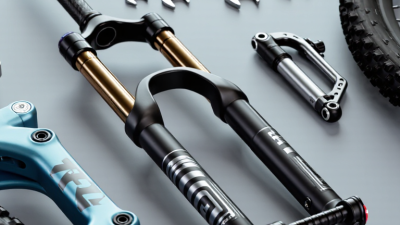
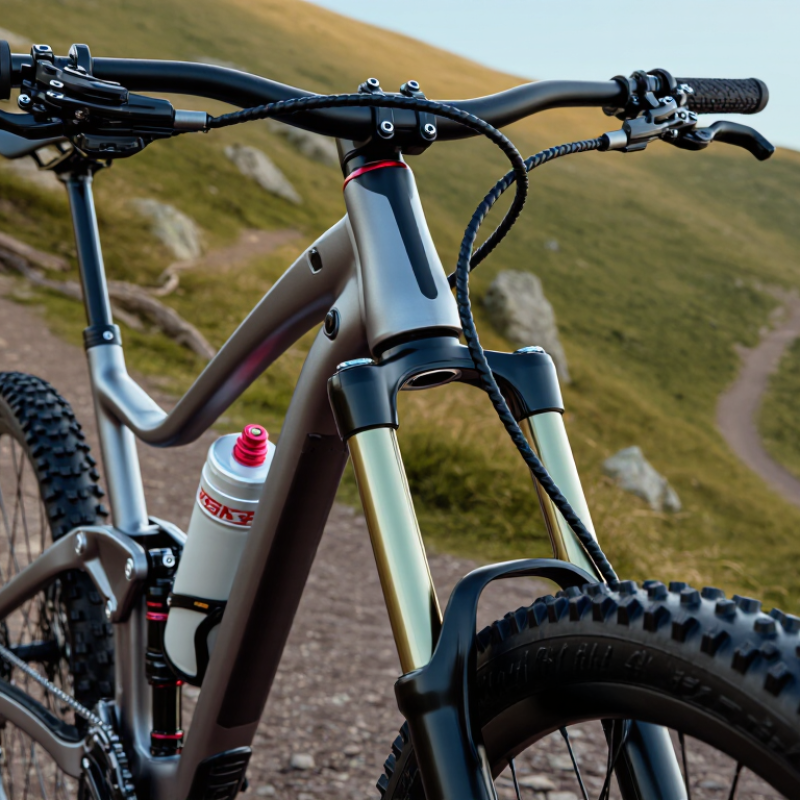
A Dual Crown Fork is a heavy-duty front suspension system used mainly on downhill mountain bikes, freeride bikes, and some gravity-focused machines. Unlike a single-crown fork, it connects to the frame through both upper and lower crowns. This design supports longer travel, stronger steering control, and improved resistance to twisting during hard impacts.

On a steep downhill trail, the difference can feel clear. The fork tracks more firmly through rock gardens, drops, and rough landings. Its extra stiffness helps the front wheel hold a precise line when braking near the edge of control. It is built for demanding terrain.

However, a Dual Crown Fork is not automatically better for every rider. It can add weight, reduce steering clearance, and complicate transport or frame compatibility. Some models also require a specific head tube, crown height, and brake setup. A fork that looks powerful may still perform poorly when its spring rate or damping is incorrectly adjusted.

Fit matters most.

Experienced mechanics usually check axle standards, steerer length, tire clearance, travel limits, and manufacturer approval before installation. They also inspect the crowns, stanchions, headset, and torque settings regularly. Small setup errors can change handling dramatically. I would not treat this component as a simple upgrade; it is a complete front-end choice that should match the bicycle, terrain, and rider’s technique. Its benefits are real, but only when strength, geometry, and maintenance work together.
What Is a Dual Crown Fork Used For?

Definition and Basic Structure of a Dual Crown Fork

What Is a Dual Crown Fork Used For?

Definition and Basic Structure of a Dual Crown Fork

A dual crown fork is a suspension fork clamped around the upper and lower sections of a bicycle’s head tube. Two crowns connect the fork legs, while a long steerer passes through the frame. This structure creates a broader, more supported connection than a single-crown fork.

It is mainly used for downhill racing, bike-park riding, and severe mountain terrain. These situations involve steep landings, repeated impacts, and high braking forces. The lower crown helps control fork flex during hard cornering. The fork’s long travel also keeps the front wheel moving over rocks, roots, and rough drops.

The design is not automatically better.

A dual crown fork usually adds weight and reduces steering clearance. It may also limit frame compatibility. The frame must be designed for the fork’s axle-to-crown length and impact loads. ISO 4210 safety requirements emphasize structural testing for bicycle frames and forks, but they do not make every fork suitable for every bicycle.

Industry data provides useful context. PeopleForBikes reported that cycling contributed about 1.2 trillion dollars to the U.S. economy in its 2023 economic impact report. Meanwhile, market research continues to show strong growth in mountain biking equipment. These figures suggest expanding demand, but they do not replace technical inspection.

In practice, check crown clearance, wheel size, travel, and manufacturer limits. Small mistakes matter. A carefully matched single-crown fork may be safer for trail riding. A dual crown fork makes sense when control and impact resistance matter most.

What Is a Dual Crown Fork Used For?

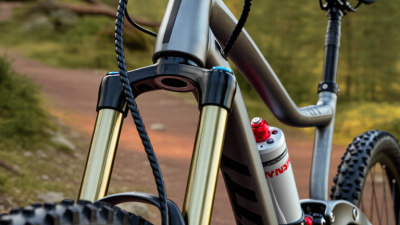
A dual crown fork is a heavy-duty suspension fork in which the upper tubes are clamped by both an upper and a lower crown. This structure increases front-end stiffness and is commonly used for downhill racing, freeride, and bike-park riding.

The chart shows typical front-suspension travel ranges by riding purpose. Downhill and bike-park applications commonly use approximately 180–203 mm of travel, where dual crown forks provide additional steering stiffness and structural support.

How Dual Crown Forks Support the Front Suspension

A dual crown fork uses two crowns to connect the fork tubes to the steerer. This structure spreads impact loads across a wider area. It also reduces twisting during hard braking and steep landings. Many downhill setups provide about 200 millimeters of travel. That distance gives the front wheel room to absorb rock gardens, roots, and sharp compressions.

The support begins at the upper crown and continues through the lower crown. Both crowns hold the stanchions in alignment. This reduces unwanted flex when the wheel hits an off-center obstacle. ASTM F2043-13 places downhill bicycles in the highest intended-use category, where repeated jumps and rough terrain demand stronger components. UCI technical regulations also recognize downhill bicycles as machines designed for steep, technical courses. The fork must control movement, not only absorb it.

A practical setup still needs careful measurement. Riders often begin with 25–30 percent sag, then adjust rebound for terrain speed. Too little sag can make the front wheel skip across loose stones. Too much sag can cause harsh bottom-outs. I once tightened a crown unevenly, and the steering felt strangely heavy. That mistake showed me how sensitive alignment can be. Torque values, axle position, and headset preload deserve equal attention. More stiffness is not always better. A rigid front end can transmit every square-edged impact to the rider’s hands.

The Main Uses of Dual Crown Forks

What Is a Dual Crown Fork Used For?

A dual crown fork is designed for bicycles facing severe impacts and demanding downhill control. Two crowns connect the stanchions above and below the head tube. This structure increases steering stiffness during hard landings, deep compressions, and rough braking zones. The extra support helps riders hold a chosen line through rock gardens and repeated bumps.

The main use is downhill riding, especially on steep race tracks and technical bike-park trails. Riders also choose dual crown forks for freeride, large jumps, and demanding suspension testing. Their long travel absorbs heavy landings more effectively than many shorter designs. The fork can feel calm when the front wheel meets roots, square edges, or sudden holes. That stability is useful at speed.

Not every bicycle can accept this fork. The frame must have suitable clearance, strength, and steering geometry. A dual crown setup also adds weight and may reduce turning freedom on tight trails. Pedaling uphill can feel slower. Correct spring rate, damping, axle torque, and headset adjustment matter greatly. Small setup errors can make the fork feel harsh or uncontrolled. A common mistake is choosing maximum travel without checking frame limits. More travel is not automatically better. The best choice depends on terrain, riding speed, landing forces, and the rider’s ability to maintain the suspension. That's the real test.

Advantages and Limitations in Different Riding Conditions

What Is a Dual Crown Fork Used For?

A dual crown fork connects the upper and lower crowns around the steerer tube. This structure improves stiffness during hard braking and sharp impacts. It is mainly used for downhill racing, bike-park riding, and aggressive freeride trails. On steep descents, the fork feels planted when rocks strike the front wheel. The steering also remains stable at high speed.

The advantage becomes clearer on rough terrain. A stiff chassis can reduce unwanted flex through berms, drops, and repeated landings. It may also help heavier riders maintain accurate wheel control. However, stiffness is not always better. On narrow trails, the longer fork can make tight switchbacks feel awkward. It may also increase the bicycle’s weight and slow low-speed handling. That trade-off is easy to underestimate.

A dual crown fork is less practical for long climbs and mixed cross-country routes. Its travel and geometry can reduce front-wheel traction on steep uphill sections. Some frames also lack enough crown clearance or suitable steering clearance. Check compatibility before installation. Muddy riding demands careful cleaning around the seals and crowns. Poor setup can cancel much of the fork’s benefit. Correct spring rate, compression, and rebound settings still matter more than appearance. For everyday trail use, a single crown fork may feel more natural. For repeated impacts and demanding descents, the dual crown design offers stronger control, though it asks for compromises elsewhere.

What Is a Dual Crown Fork Used For? - Advantages and Limitations in Different Riding Conditions

Riding Condition or Use Typical Suitability Main Advantages of a Dual Crown Fork Main Limitations Common Travel Range Practical Assessment
Downhill racing and bike-park tracks Excellent The upper and lower crowns connect both fork legs, increasing steering stiffness and helping the fork remain controlled during hard braking, landings, and high-speed impacts. Adds weight and usually requires a frame designed for a dual-crown fork. It can also reduce low-speed maneuverability compared with a shorter single-crown fork. Approximately 180–200 mm The strongest and most appropriate application when maximum downhill control is more important than climbing efficiency.
Large jumps, drops, and aggressive freeride Very good Provides strong support under compression and greater resistance to flex when the front wheel receives heavy landing loads. The additional structure may make the bike feel less lively in the air, and replacement or servicing can be more specialized. Approximately 180–200 mm Well suited to repeated hard landings when the bicycle, headset, wheels, and frame are all rated for the loads involved.
Rough, steep enduro descents Conditionally suitable Offers precise steering and strong braking support on steep, technical sections with repeated impacts. Usually heavier than necessary for an all-mountain setup. The longer axle-to-crown height can alter head angle, handling, and frame loads if the frame is not designed for it. Approximately 170–180 mm when compatible Useful for descending-focused builds, but a suitable single-crown fork is generally more practical for balanced enduro riding.
Cross-country riding and long-distance trail riding Poor The extra stiffness can improve steering accuracy on descents, but this benefit is rarely needed for typical cross-country terrain. Excess weight, limited compatibility, reduced climbing efficiency, and less convenient front-wheel removal make it unsuitable for most long rides. Usually excessive; cross-country forks are commonly about 100–120 mm A lightweight single-crown fork is normally the more efficient choice.
Technical climbing and tight switchbacks Limited The stiff front end can maintain accurate wheel placement when climbing over rocks at low speed. The weight, long travel, and altered steering geometry can make tight turns, front-wheel lifts, and low-speed balance more difficult. Generally 180 mm or more for dedicated downhill designs Best reserved for bikes that descend far more than they climb.
Wet, muddy, or dusty conditions Good with maintenance The fork's structural benefits remain available in poor weather, and the rigid connection between the crowns can preserve steering precision on slippery descents. Mud and grit can accelerate wear on seals and bushings. Cleaning, lubrication, and inspection are essential after contaminated rides. Depends on the specific fork design Performance depends more on proper cleaning and service intervals than on the dual-crown layout itself.
Transport, travel, and frequent wheel removal Less convenient The robust structure helps protect steering alignment during normal riding. The upper crown and steerer arrangement can complicate bike packing, cockpit changes, and front-wheel removal. Some designs require more careful setup of cables and controls. Not applicable A single-crown fork is generally easier to transport, adjust, and maintain while traveling.
Frame and component compatibility Must be verified A compatible frame can take advantage of the fork's stiffness and long-travel performance. The frame must be approved for the fork's travel, axle-to-crown length, crown clearance, headset standard, wheel size, and intended impact loads. Incorrect installation can damage the frame or affect handling. Varies by frame and fork combination Compatibility is a safety requirement, not merely a performance preference.

Note: Travel ranges and suitability ratings are general guidance. Actual performance depends on frame design, wheel size, rider weight, suspension setup, terrain, and the manufacturer's compatibility specifications.

Choosing a Dual Crown Fork for a Specific Bike and Riding Style

Choosing a dual crown fork starts with the bike, not the suspension trend. These forks suit downhill, park, and aggressive freeride bikes with compatible frames. Their two crowns improve steering stiffness during hard impacts and steep landings. That strength adds weight and can limit frame clearance.

Check the frame’s approved fork travel, axle size, wheel diameter, and steerer standard. A longer fork can raise the front end and reduce the bike’s intended handling. It may also increase stress around the head tube. I have seen riders focus on stiffness while overlooking frame geometry. That mistake made tight corners feel slower. Measure carefully.

Your riding style matters just as much. A park rider may value precise control on jumps and repeated landings. A downhill rider may prefer adjustable compression and reliable performance through roots and rock gardens. Choose travel that matches your bike’s design, not simply the longest option available. Set sag with your riding equipment on, then test rebound on familiar terrain. Small changes should be recorded. Honestly, perfect setup takes patience.

A dual crown fork can feel excessive on trail, cross-country, or mixed-use bikes. Its crowns may interfere with the frame or restrict handlebar movement. Confirm manufacturer-approved compatibility before installation. A qualified suspension technician can inspect clearances, steering alignment, and torque settings. Personal testing still matters, because published specifications cannot predict every rider’s comfort or control.