How to Choose the Right Dual Crown Fork for Your Bike?
When selecting a Dual Crown Fork for your bike, it’s essential to understand its role in overall performance. According to a study by the International Cycling Research Institute, the right fork can improve handling by up to 30%. This statistic underscores the importance of making an informed choice. Renowned expert Dr. Emily Turner states, "A well-matched Dual Crown Fork not only enhances stability but also maximizes rider confidence.”
Different riding styles require different specifications. For instance, downhill biking demands a robust fork that can handle rough terrain, while cross-country riding benefits from a lighter weight. However, many cyclists overlook these specific needs, leading to suboptimal performance. A poorly chosen Dual Crown Fork can create handling issues, making rides less enjoyable.
Investing in the right equipment pays off, but it can be a daunting task. Understanding geometry, travel length, and weight is crucial. Take the time to research and consult expert reviews. Remember, a Dual Crown Fork is a key element that can enhance your biking experience, so choose wisely.

Understanding Dual Crown Forks: Definition and Purpose
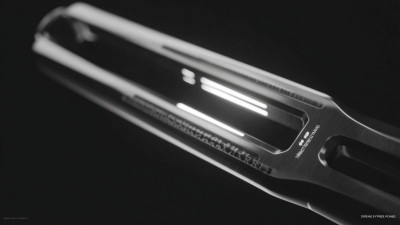
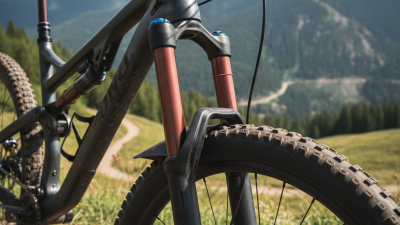
Dual crown forks are vital components in mountain biking. They provide enhanced stability and control, especially in rugged terrains. A dual crown fork typically has two crowns, improving structural integrity. This design helps distribute forces during aggressive maneuvers and reduces flex. According to a report from the International Mountain Bicycling Association, bikes equipped with dual crown forks have better performance in downhill and enduro riding scenarios.
The purpose of dual crown forks extends beyond aesthetics. Their design caters to riders seeking greater confidence on steep descents. The additional support allows for larger travel distances, often between 200 to 250mm. This feature is particularly beneficial for riders tackling extreme trails. However, these forks can add weight, impacting overall bike agility. Many riders may struggle with this trade-off, especially in cross-country settings.
Moreover, selecting the right dual crown fork is complex. Factors like travel length, weight, and intended use play crucial roles. Riders should assess their style and preferences. Personal experiences often highlight the learning curve when utilizing dual crown forks. Misjudging fork specifications can lead to performance issues or rider discomfort. It's essential to research and, if possible, test various setups before making a decision.
How to Choose the Right Dual Crown Fork for Your Bike?
| Attribute |
Description |
| Travel Length |
Refers to the distance the fork compresses; typically ranges from 150mm to 200mm for dual crown forks. |
| Stanchion Diameter |
The width of the stanchions impacts stiffness and weight; common diameters include 35mm, 36mm, and 40mm. |
| Weight |
The weight of the fork can vary greatly; lighter options are around 3 kg while heavier ones can exceed 4 kg. |
| Material |
Common materials include aluminum for a balance of strength and weight, and carbon fiber for a lightweight option. |
| Adjustability |
Look for options with rebound and compression adjustments to customize performance based on riding style. |
| Axle Type |
Different axle standards exist, including 15mm and 20mm thru-axles; choose one that matches your bike's geometry. |
| Price Range |
Prices can vary from $300 to over $1,000 depending on the brand, features, and technology. |
Key Specifications to Consider When Choosing a Dual Crown Fork
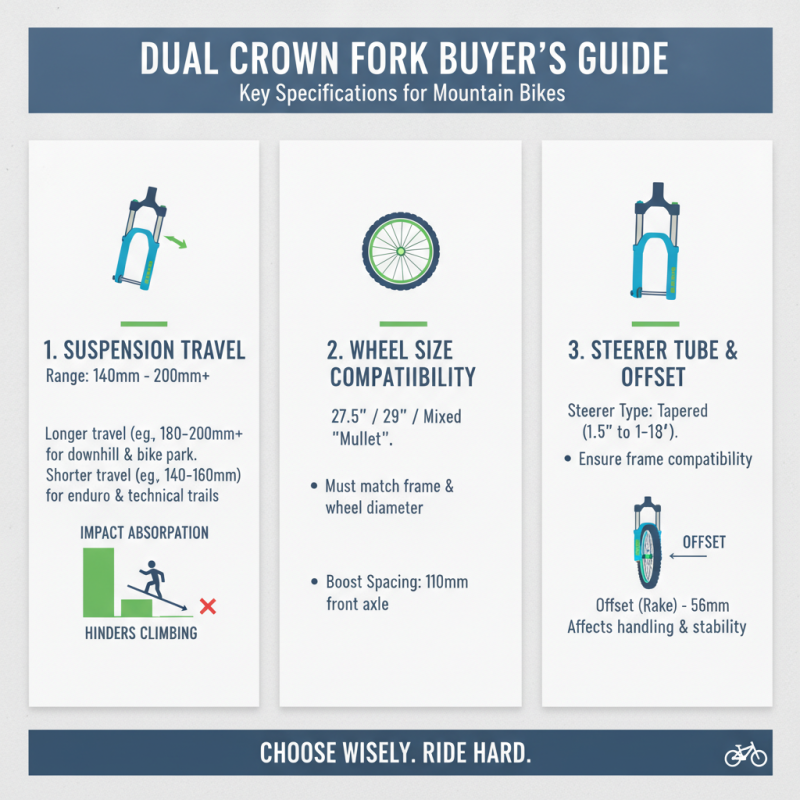
Choosing the right dual crown fork for your bike involves understanding several key specifications. Suspension travel is critical. Most mountain bikes use forks ranging from 140mm to 200mm of travel. A longer travel fork can absorb more significant impacts but may hinder climbing efficiency. Consider your riding style and terrain to find the ideal length.
Stanchion diameter significantly affects stiffness and weight. Standard diameters are usually 32mm, 34mm, or 36mm. Stiffer forks enhance control, especially on steep descents. However, heavier forks can impact bike handling. Balancing weight and performance can be tricky.
Additionally, adjustable settings play an essential role. Many forks offer compression and rebound damping. Adjustability allows riders to fine-tune their settings according to conditions. Riders often overlook this feature. Optimal settings improve performance and comfort but require experimentation to perfect. Understanding these aspects will help you choose wisely.
Comparative Analysis: Travel Length, Stiffness, and Weight Factors
Choosing the right dual crown fork requires careful consideration of several factors, most notably travel length, stiffness, and weight.
Travel length significantly influences how your bike absorbs bumps. A longer travel length provides better
shock absorption, particularly on rough terrains. However, it can make the bike feel less responsive on smoother paths. Finding the right balance here is essential.
Stiffness plays a crucial role in the performance of your fork. A stiffer fork improves handling and stability, especially during aggressive turns.
But remember, excessive stiffness can lead to a harsh ride, making it vital to choose a fork that matches your riding style. Consider your weight and riding habits — they influence the fork's necessary stiffness.
Weight is another critical factor. Lighter forks enhance climbing efficiency and maneuverability. Yet, lighter materials may compromise stiffness and durability.
Evaluating your riding environments and goals can help prioritize these factors. Some riders compromise on weight for added sturdiness.
Reflect on your experience, and remember, the right fork is about finding the perfect fit for your specific needs.
Impact of Material Choices on Performance: Aluminum vs. Carbon
When it comes to dual crown forks, material choice plays a significant role in performance. The two main contenders are aluminum and carbon fiber. Aluminum is known for its strength and durability. It can endure rough terrain and harsh conditions. Many riders prefer aluminum for its robust nature. However, it tends to be heavier, impacting overall bike agility. This can be a downside for competitive riders seeking speed.
On the other hand, carbon fiber offers weight savings and improved shock absorption. It can provide a smoother ride, crucial on uneven trails. Nonetheless, carbon's susceptibility to damage in extreme conditions should not be overlooked. Riders must balance benefits with risks. Choosing the right material often involves personal riding style and environment.
In the end, consider your priorities. Are you looking for lightweight performance, or do you need robust durability? Each material has its strengths and weaknesses. Understanding these can guide you to make an informed choice. Don't rush the decision; test different options to see what feels right.
Impact of Material Choices on Dual Crown Fork Performance
Evaluating Compatibility: Ensuring the Right Fit for Your Bike Model
When choosing a dual crown fork, compatibility with your bike model is crucial. Not all forks fit every bike frame. You must check the steering tube length, diameter, and the crown width. A mismatched fork can affect performance and safety.
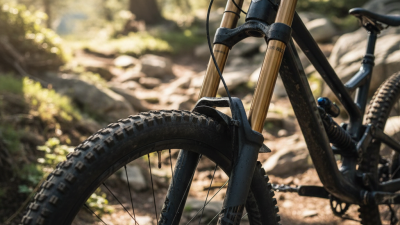
Consider your riding style and terrain. Heavy-duty forks work best for downhill trails. Lighter forks suit cross-country riding. You should also examine the axle type, as different hubs require specific designs. If unsure, consulting with a knowledgeable local bike shop can offer valuable insights.
You might find discrepancies in bike specifications. Some manufacturers provide vague details. This requires careful measurements on your end. Take the time to verify your bike's geometry. Compatibility isn't just about fitting; it's about enhancing your riding experience. Each decision impacts your bike's handling and overall performance.