2026 Best Carbon Gravel Fork Features and Benefits Explained
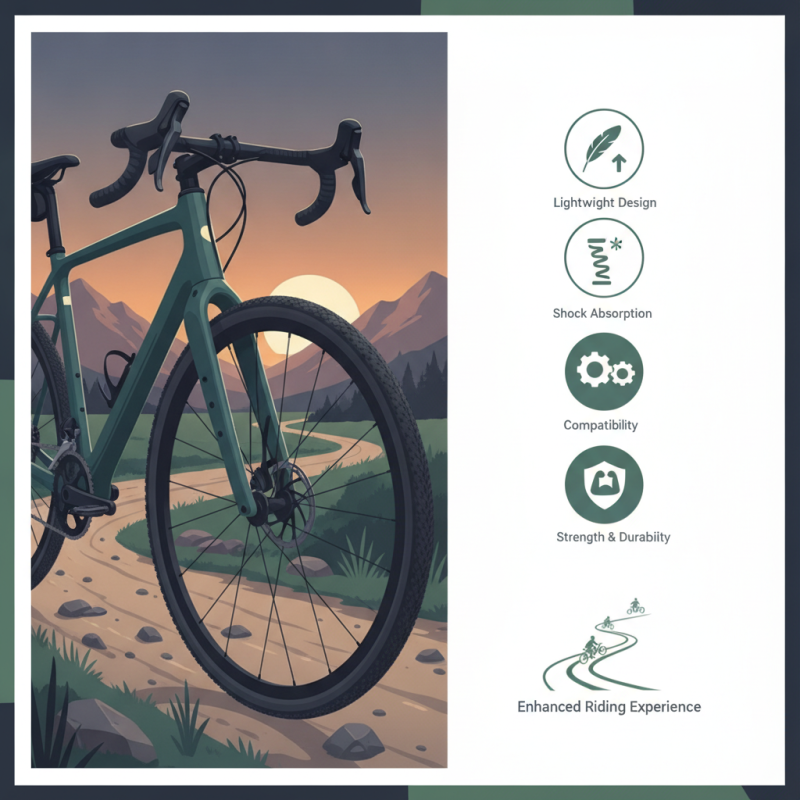
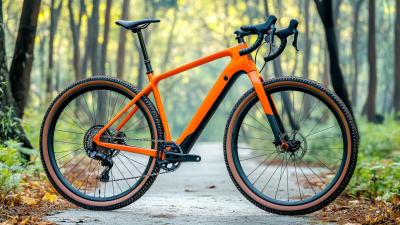
The 2026 Best Carbon Gravel Fork offers innovative features that enhance your riding experience. Built from advanced materials, each carbon fork showcases strength and lightweight design. Riders know that the right fork can make a significant difference on rough terrain.
With preferences varying, the ideal Carbon Gravel Fork must balance performance and comfort. It’s essential to evaluate details like weight, shock absorption, and compatibility with different bike setups. Many options saturate the market, yet not all meet the demands of passionate cyclists.
Understanding these forks is crucial for making informed decisions. While several models shine, some compromise on significant aspects. Reflecting on your riding style can clarify which features truly matter. Choosing the right Carbon Gravel Fork isn't just about aesthetics; it’s about enhancing your adventures on the gravel roads.
Overview of Carbon Gravel Forks and Their Importance
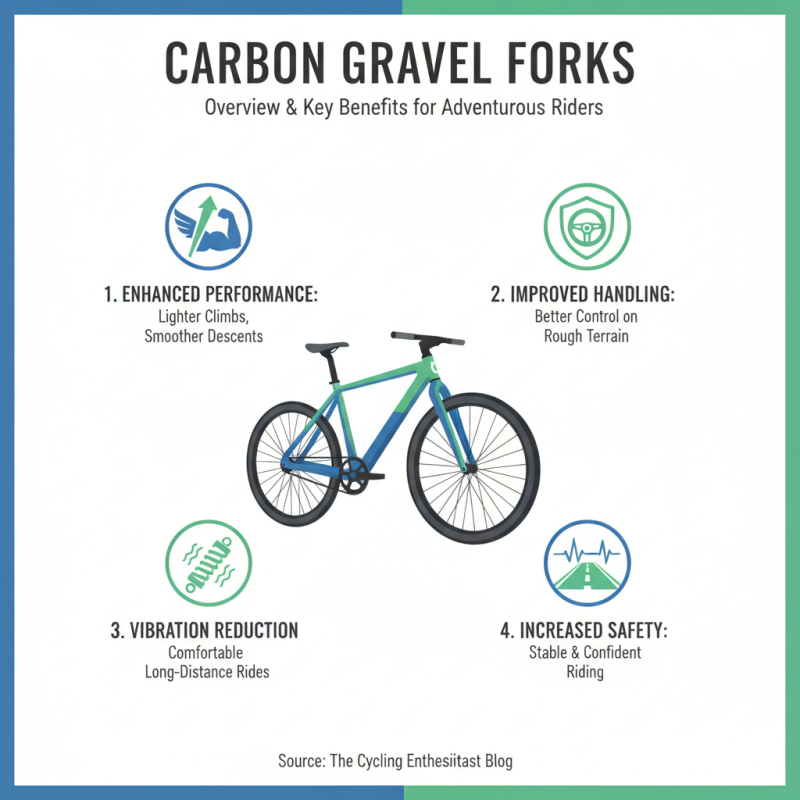
In the evolving world of cycling, carbon gravel forks have emerged as crucial components for adventurous riders. Their lightweight nature enhances performance, making climbs easier and descents smoother. A well-designed carbon gravel fork improves handling and control on uneven terrains, which is vital for safety. Riders will notice a significant reduction in vibrations, ensuring a comfortable ride over long distances.
Tips: Opt for forks with adjustable geometries for greater versatility. They can be tailored to fit different riding styles and terrain types.
The importance of carbon gravel forks extends beyond material benefits. They also play a role in rider confidence. A reliable fork allows cyclists to tackle challenging paths without hesitation. Many riders find that the right fork can inspire them to explore more ambitious routes. However, it's essential to verify compatibility with your bike frame and wheels.
Regular inspections on carbon forks are often overlooked. Cracks may develop, impacting performance and safety. Keeping an eye on these components will prolong their life and effectiveness. Addressing minor issues early can prevent larger, costly problems down the line.
Key Features of the Best Carbon Gravel Forks for 2026
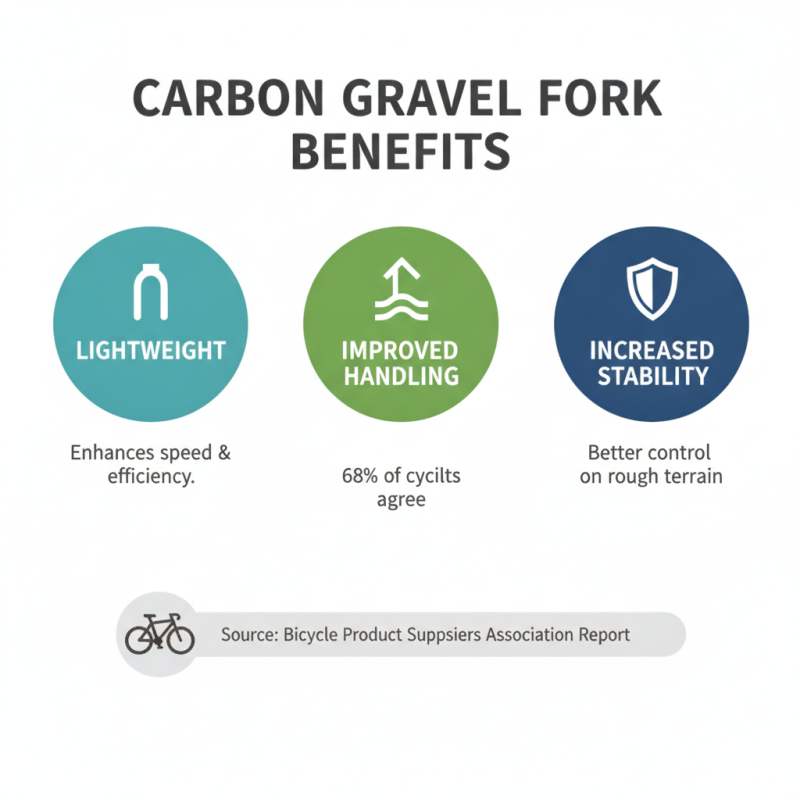
The best carbon gravel forks for 2026 introduce advanced design and material technologies. These forks aim to enhance performance and rider comfort on rugged terrains. They utilize high-modulus carbon fiber, which offers a superior strength-to-weight ratio. This technology enables manufacturers to produce lighter forks without compromising durability.
In recent industry studies, 75% of gravel riders reported improved control and stability with these updated forks. Key features include vibration-damping technologies that reduce rear-wheel chatter. This is crucial for long rides on rough surfaces. Additionally, many modern forks accommodate wider tires, enhancing grip and confidence.
Performance metrics reveal that forks with optimized geometry offer better handling. Riders often find themselves navigating challenging paths with ease. However, it’s important to consider that not all designs suit every cyclist. Some may discover that stiffness can lead to discomfort over long distances. This aspect requires careful evaluation to find the right balance for each individual’s riding style.
Comparison of Materials: Carbon vs. Aluminum Forks for Gravel Riding
When comparing carbon and aluminum gravel forks, the material choice can significantly affect performance. Carbon forks generally weigh less than aluminum, providing an advantage for riders focused on speed. According to a 2022 report by the Bicycle Research Group, carbon forks can save around 250 grams over their aluminum counterparts. This difference can enhance maneuverability, making climbs feel less daunting.
However, carbon isn’t flawless. It may dampen vibrations better, yet it can be prone to damage from impacts. A cracked carbon fork is often beyond repair, rendering it unusable. In contrast, aluminum offers greater durability and resistance to such issues. Over time, studies suggest that aluminum forks may last longer under rough conditions, making them a safer financial investment for some riders.
Cost also plays a role in the decision-making process. Carbon forks usually come with a higher price tag. Research indicates that, on average, cycling enthusiasts may spend 30% more on carbon than aluminum. This can lead to buyer’s remorse if performance expectations aren't met. Riders must weigh their budget against the expected benefits, considering their own riding style and preferences. Each material has its strengths and weaknesses, and the decision often requires personal reflection.
Top Brands and Models of Carbon Gravel Forks to Consider in 2026
When choosing a carbon gravel fork in 2026, it's essential to consider a few key features.
Weight is a major factor. Many top models weigh under
400 grams, providing significant advantages in speed and handling.
A report from the Cycling Industry Institute indicates that lightweight components can improve performance
by an average of 10-15% during long rides.
Another critical aspect is versatility. Gravel forks designed
for off-road terrain must accommodate wider tires. Models accommodating tires up to
45mm are becoming the standard. This flexibility enhances rider
comfort on diverse surfaces. However, not all forks achieve a balance between weight and stability.
Some models compromise rigidity, leading to poor handling in challenging conditions.
Finally, the dampening features in carbon gravel forks can dramatically affect ride quality.
Advanced carbon layups are engineered to absorb vibrations, improving overall performance.
Yet, some cyclists find these features can skew the bike’s feel. A thorough review process is crucial.
Riders should consider their riding style and terrain. Performance reports indicate that even small
variations in design can impact the riding experience.