Bicycle Chopper Forks can change a bike’s silhouette, riding position, and steering feel. Choosing a set is about more than finding the longest or most dramatic option. The fork must match the frame, front wheel, and intended use. Check the steerer diameter and length, axle type, wheel size, brake mounts, and tire clearance against the manufacturer’s specifications. Small mismatches matter. A brake caliper that cannot reach its rotor, or a tire rubbing the fork crown, can make a promising build unusable.
Fork length also affects geometry. A longer fork may raise the front of the bike and alter steering response, while added rake can change trail. The result depends on the frame and the fork’s dimensions, not appearance alone. A stretched front end might look balanced in a photograph but feel slow or awkward during a tight turn. There is no universal “right” chopper setup. Worth remembering.
This guide explains how to compare fork materials, measurements, compatibility, and riding characteristics before you buy. It also covers practical checks, such as inspecting welds and finish, confirming brake compatibility, and reviewing load limits where available. If fit or geometry is unclear, ask a qualified bicycle mechanic to assess the frame and proposed fork together. That may sound cautious, perhaps even unexciting, but it can prevent an expensive mismatch. A careful choice should suit both the bike’s design and the way you actually plan to ride.
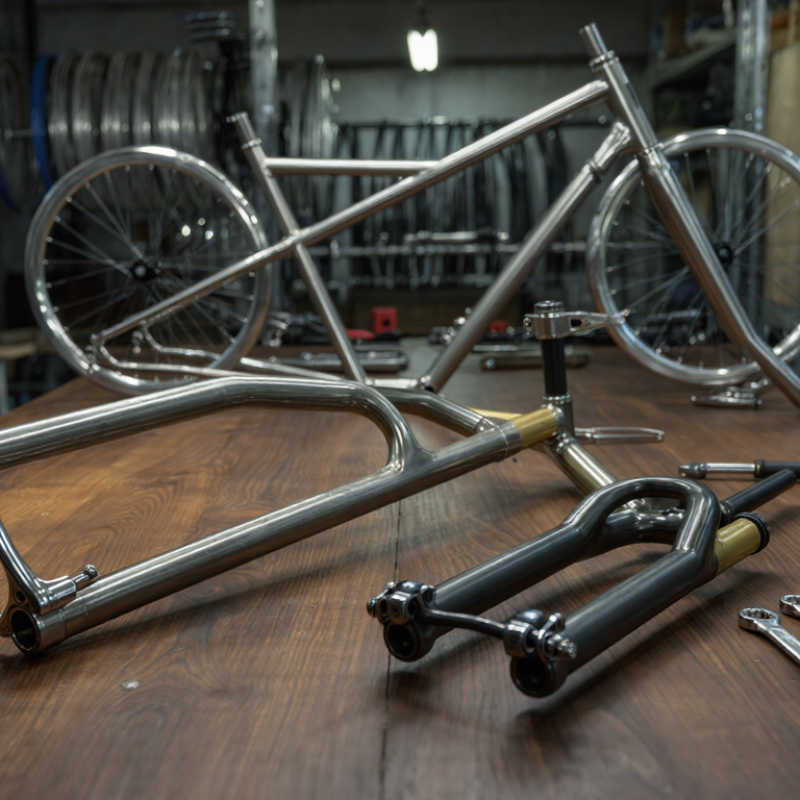
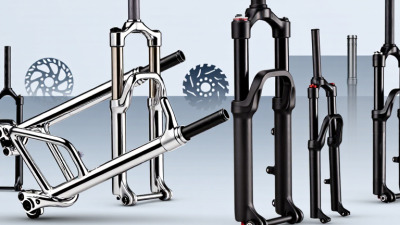
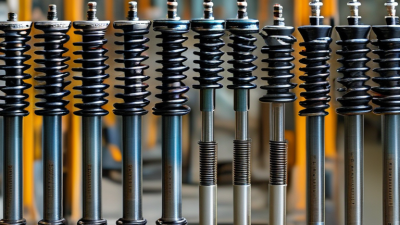
Chopper forks usually fall into three groups: rigid extended forks, springer forks, and telescopic suspension forks. Rigid forks feel direct and have fewer moving parts, but transmit bumps through the handlebars. Springer designs use external springs and rocker links; they suit classic styling, though pivots need regular inspection. Telescopic forks absorb impacts, but many are not designed for long chopper geometry. A longer fork changes steering trail and can make slow turns feel heavy. Measure steerer length, axle-to-crown distance, wheel size, tire clearance, and brake mounts before comparing looks. I would not trust appearance alone.
PeopleForBikes’ 2023 U.S. Bicycling Participation Report estimated that 112 million Americans rode a bicycle at least once in 2022. That figure describes participation, not fork performance, but it highlights how varied riding conditions can be. For rough streets, prioritize controlled handling and suitable load ratings over extreme length. Check the fork maker’s stated compatibility, then have a qualified mechanic verify frame and brake fit. Small mismatches matter.
Tips: Measure twice with the front wheel installed.
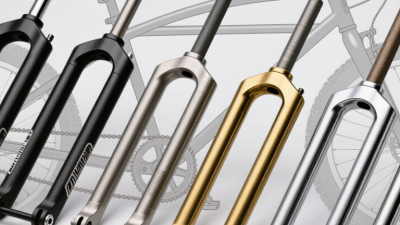
Start with the frame’s head tube and the fork’s steerer. Check the steerer diameter, headset type, and available length; a steerer that is too short cannot safely support the headset and stem. Measure carefully. Include the crown race in your check, since it must match the headset. If the frame uses a threaded headset, a threadless fork may need a different setup, not a forced fit.
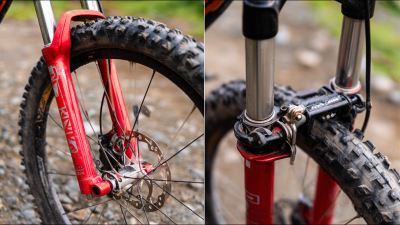
Match the fork to the wheel’s actual diameter and axle spacing. Check that the dropouts fit the hub, and confirm the tire has room between the fork legs and under the crown. A wide tire can rub even when the wheel spins freely on a stand. Brake compatibility matters too: the fork needs the correct mount and enough reach for the rim or rotor. Check these details with the wheel installed.
Fork length changes the bike’s geometry. A much longer fork can raise the front end and make steering feel slower; a shorter one may lower it and affect clearance. A common workshop surprise is discovering that a wheel fits the dropouts but leaves the brake misaligned. Measure axle-to-crown length and compare it with the current fork. There is some uncertainty in nominal wheel sizes, so verify the rim marking rather than relying on a label alone.
Compare the wheel’s bead seat diameter (BSD) with the fork’s specified wheel size before choosing a chopper fork.
BSD is the rim diameter where the tire bead sits. A 29-inch wheel and a 700C wheel both have a 622 mm BSD, but tire width and overall tire diameter can differ. Also check fork clearance, axle type and width, brake mounts, and steerer compatibility.
Fork length changes more than a bike’s appearance. A longer fork can raise the front, alter steering geometry, and shift weight rearward. Measure from the axle center to the crown race seat, then compare that figure with the frame’s intended range. Do not measure only the exposed steerer tube. Even a modest change can make tight turns feel slower. Small changes matter.
Rake, or fork offset, is the distance between the steering axis and the axle. It works with head angle and wheel size to determine trail, which strongly affects steering feel. More rake often reduces trail, but the result depends on the whole setup. Check a geometry calculator before buying, and verify the fork’s published measurements. A tape measure helps, but it cannot tell you how the bike will handle. That part is easy to underestimate.
Material affects weight, comfort, and durability. Steel is often sturdy and can soften some road vibration, though it adds weight. Aluminum can be lighter, while carbon designs require careful attention to compatibility and impact damage. Material alone does not prove a fork is suitable. Check steerer diameter, axle spacing, brake mounts, tire clearance, and the maker’s load limits. I’d be cautious about choosing by appearance alone; I have seen a good-looking fit become awkward once the wheel and brake were installed. A qualified mechanic can inspect the final fit.
A chopper fork changes more than the bike’s appearance. Its rake, axle offset, and length alter trail, wheelbase, and steering response. Trail is the ground distance between where the steering axis meets the road and the front tire’s contact patch. More trail generally encourages steadier, slower steering; less can make the front end feel quicker. Neither is automatically better. A fork that looks dramatic may feel tiring on a winding route.
Use a measured baseline before choosing parts. Meijaard and colleagues’ 2007 bicycle-dynamics benchmark describes a reference bicycle with a 1.02-metre wheelbase and 0.08-metre trail. It is not a chopper specification, but it shows why small geometry changes matter. Compare your current measurements with the proposed fork, including wheel radius and head-tube angle. A longer fork can raise the front, slacken the steering angle, and increase wheelbase. Check tire clearance and brake alignment, too. Small details count.
Match the setup to your riding. For relaxed cruising on broad, smooth roads, a longer wheelbase and moderate trail can feel composed. For tight turns or frequent low-speed manoeuvres, excessive trail may feel heavy. Measure twice. Then ask a qualified bicycle mechanic to check the steering assembly and load-bearing fit before riding. I would not choose by rake alone; that shortcut is tempting, and sometimes wrong. Research citation: Meijaard et al., “Linearized dynamics equations for the balance and steer of a bicycle,” Proceedings of the Royal Society A, 2007.
| Riding Need | Fork Style | Indicative Axle-to-Crown Length | Typical Offset (Rake) | Geometry and Handling Effect | Key Fit Checks |
|---|---|---|---|---|---|
| Everyday riding and predictable steering | Standard-length rigid fork | About 400–500 mm, depending on wheel size and frame design | About 35–55 mm | Usually keeps the frame close to its intended head angle and steering feel. A sensible choice when replacing a fork with one of similar dimensions. | Match the original axle-to-crown length, steerer type and diameter, axle standard, wheel size, and brake mounts. |
| Relaxed cruising with a mild chopper appearance | Moderately extended rigid fork | About 500–650 mm | About 25–50 mm | A longer fork generally slackens the head angle and raises the front of the bike. Steering can feel slower, and trail may increase; the exact result depends on wheel radius, head angle, and offset. | Check frame-maker limits, front-wheel clearance, cable or hose length, and whether the longer fork changes seat position or weight balance too much. |
| Show-style builds and low-speed cruising | Long custom or chopper fork | About 650 mm or more; custom dimensions vary widely | Specified by the fork builder; do not assume standard geometry | Can create a dramatic stance, but substantially altered geometry may make turning slow, reduce front-wheel loading, and affect stability. Best suited to a purpose-built, carefully tested setup. | Confirm that the frame is designed for the fork. Verify structural compatibility, steering clearance, wheel alignment, braking performance, and the fork’s intended use. |
| Mixed pavement and light off-road use | Rigid fork matched to the frame’s original geometry | Use the frame’s specified length; suspension replacement length is frame-specific | Use the frame or fork specification | Maintaining the intended front-end height helps preserve handling. Replacing a suspension fork with a much shorter rigid fork can steepen the head angle and alter steering. | Compare the rigid fork’s axle-to-crown length with the suspension fork’s specified axle-to-crown measurement, not just its travel. |
| Wide tires or a larger front wheel | Fork with suitable tire and wheel clearance | Choose for the intended wheel size and frame geometry | Confirm the exact fork specification | A larger wheel or tire increases overall wheel radius and may reduce clearance. Wheel size and fork geometry together influence steering trail. | Check maximum tire width, actual tire height, fender space, rim and axle compatibility, and clearance at the fork crown and legs. |
| Reliable braking on a custom front end | Fork with a compatible brake mount and suitable construction | As required by the frame and wheel setup | As specified for the intended geometry | Longer or custom forks can increase leverage and place unusual demands on the front end. A fork must be designed for the chosen braking system and riding loads. | Match disc, rim, or drum-brake requirements; confirm rotor size limits, mount type, axle retention, and wheel alignment. |
Geometry note: Axle-to-crown length is measured from the fork crown race seat to the front axle. Offset (also called rake) is the distance the axle sits ahead of the steering axis. Trail depends on head angle, wheel radius, and offset, so changing fork length or offset can noticeably change steering. Have a qualified bicycle mechanic check any custom or significantly extended setup before riding.
A long chopper fork changes more than your bike’s appearance. It can alter steering response, front-end height, and brake-line reach. Before buying, check the frame’s headset standard, steerer diameter and length, wheel size, axle type, and brake-mount compatibility. Measure the fork’s axle-to-crown length and confirm tire clearance with the actual wheel fitted. Small details matter.
Do not assume a fork fits because its steerer enters the head tube. The crown race must seat correctly, and the stem must clamp within the steerer’s safe limit. Follow the fork maker’s torque values; overtightening can damage components, while loose fasteners can shift under braking. ISO 4210-6:2023 sets bicycle fork strength and fatigue-test methods. It is a useful reference, but it does not confirm that a particular fork suits your frame.
Inspect the fork, headset, axle, and brake alignment after installation. The wheel should sit straight, turn without binding, and leave room for the tire and brake hardware. A 2022 NHTSA Traffic Safety Facts report recorded 1,105 bicyclist deaths in the United States. That figure does not identify fork failures, but it underscores why fit and control deserve careful checks. If the fork’s specifications are unclear, ask a qualified mechanic to verify them. A visual check alone can miss a mismatch.