Top Coil Fork Suppliers What You Need to Know?
The coil fork market is pivotal in various industries, including automotive and cycling. Recent reports indicate a growing demand for high-quality coil forks, driven by advancements in technology and performance. In 2022, the global bicycle parts market, which includes coil forks, was valued at over $40 billion, showing significant growth potential.
With numerous suppliers available, choosing the right coil fork can be challenging. Quality varies significantly across brands, impacting performance and safety. Established suppliers often prioritize durability and design, ensuring their coils meet stringent industry standards. Some new suppliers may offer innovative designs at a lower cost but can sometimes compromise on quality.
Understanding the nuances of coil forks is essential for consumers. Engaging with knowledgeable suppliers ensures you are making informed decisions. Data shows that users benefit from forks that match their specific needs, enhancing overall satisfaction. It’s worth reflecting on how a reliable coil fork can greatly influence your performance. Quality should never be overlooked in this competitive market.
Overview of the Coil Fork Market: Key Players and Trends
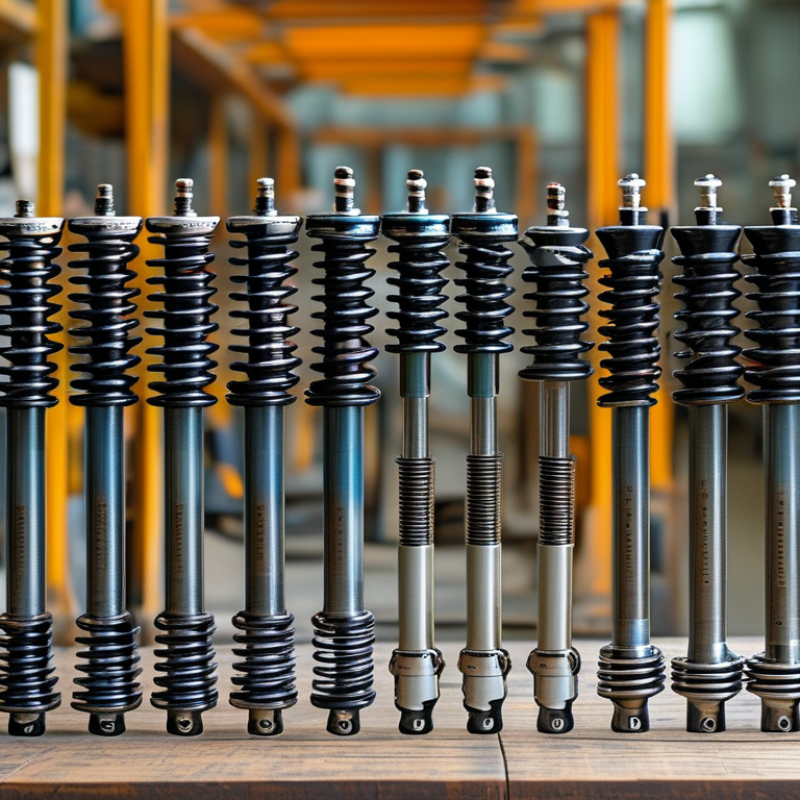
The coil fork market has been evolving rapidly in recent years. Key players are pushing boundaries with innovative designs and improved materials. This shift is essential to meet the demands of various industries. With a heightened focus on durability and performance, manufacturers are experimenting with different spring mechanisms to enhance functionality.
Trends in the market indicate a rising demand for customized solutions. Customers seek forks tailored to their unique needs. This growing preference challenges suppliers to innovate continuously. Environmental considerations are also becoming a priority. Manufacturers are exploring sustainable materials to reduce their carbon footprint.
While the market shows promise, challenges remain. Supply chain disruptions can impact availability. Quality control is crucial to maintaining standards. Some suppliers struggle with scalability. As the market grows, understanding these dynamics can set successful players apart.
Criteria for Evaluating Top Coil Fork Suppliers: Quality and Performance
When evaluating top coil fork suppliers, quality and performance are crucial. A recent industry report highlighted that 75% of manufacturers prioritize durability in their coil forks. This emphasis on quality ensures that equipment can withstand harsh conditions and heavy loads. Users often need forks that offer consistent performance over time, which reduces downtime and maintenance costs.
Another key factor is the manufacturing process. Reports indicate that suppliers adhering to strict standards typically achieve lower defect rates. A study found a 20% increase in customer satisfaction when suppliers utilized advanced quality control measures. This correlates directly with longer-lasting products, which are essential in high-stakes environments. Customers should look for suppliers who demonstrate a commitment to continuous improvement and innovation in their processes.
While many suppliers boast high standards, not all meet expectations. Some may prioritize cost over quality, leading to subpar products. Users must conduct thorough research and seek feedback from industry peers. Real experiences can reveal strengths and weaknesses not evident in marketing materials. By focusing on these criteria, users can make informed choices that enhance their operational efficiency.
Top Coil Fork Suppliers: Criteria for Evaluating Quality and Performance
| Supplier Category |
Material Quality |
Performance Rating |
Lead Time (Weeks) |
Customer Support |
| High-End |
Excellent |
9/10 |
6 |
24/7 |
| Mid-Range |
Good |
7/10 |
8 |
Business Hours |
| Budget |
Fair |
6/10 |
12 |
Limited |
| OEM |
Variable |
Unrated |
Varies |
Technical Support |
Comparative Analysis of Leading Coil Fork Brands: Features and Prices
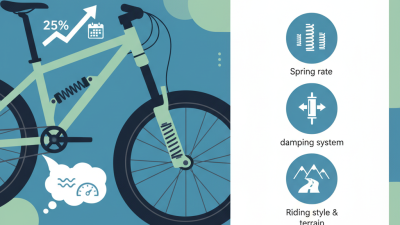
When choosing a coil fork, it's essential to analyze the features and pricing of leading brands. Each brand has unique attributes that cater to different rider needs. Some forks offer advanced damping systems, providing better shock absorption on tough terrains. Others focus on lightweight materials, enhancing overall bike performance.
Price ranges vary significantly among top coil fork suppliers. Higher-end models may boast improved materials and technology, justifying their cost. However, budget-friendly options can still deliver decent performance. Riders should evaluate their specific needs and riding style before making a decision. Consideration of factors like weight, adjustability, and travel length can make a significant difference in your riding experience.
While many brands claim superior technology, not all deliver the same value. Understanding user reviews and expert opinions can clarify misconceptions. Riders often find themselves surprised by how some popular forks don’t meet expectations. This highlights the importance of researching and reflecting on both personal requirements and available options.
Industry Standards and Certifications for Coil Fork Suppliers
When selecting coil fork suppliers, understanding industry standards and certifications is crucial. Various organizations set benchmarks that ensure quality and safety. According to the International Organization for Standardization (ISO), nearly 1.5 million certificates were issued worldwide in 2022 alone. This reflects the emphasis on robust quality management systems.
Several industry-specific standards apply to coil forks. For instance, ISO 9001 focuses on consistent quality in manufacturing. Additionally, American National Standards Institute (ANSI) standards ensure that products meet safety and performance benchmarks. Suppliers often undergo rigorous assessments to obtain such certifications, enhancing their credibility and reliability.
However, not all suppliers maintain a high standard of compliance with certifications. Research indicates that about 30% of suppliers fail to meet industry expectations, sometimes due to resource constraints or lack of awareness. This discrepancy can lead to reliability issues in the end-use application. Thus, suppliers must prioritize continuous improvement and regular audits to maintain their standing in the market.
Top Coil Fork Suppliers: Industry Standards and Certifications
Supplier Selection: How to Choose the Right Coil Fork Manufacturer
Choosing the right coil fork manufacturer is vital for getting quality products. Start by understanding your specific needs. Think about the type of projects you plan to undertake. Are you working on mountain bikes, road bikes, or something else? Each application has different requirements. The materials used in coil forks can vary widely. Research these options.
Experience and expertise play a crucial role in supplier selection. Look for manufacturers with a solid track record. See if they have certifications or industry awards. Customer reviews can provide insights as well. Pay attention to feedback regarding product durability and performance. Yet, remember that not all reviews represent the entire picture.
Communication is another key factor. A reliable supplier should be responsive. Ask questions about their manufacturing process. This helps in assessing their transparency. If a manufacturer hesitates to share details, it may raise concerns. Reflect on how their approach aligns with your values and expectations. This can shape a successful partnership in the long run.