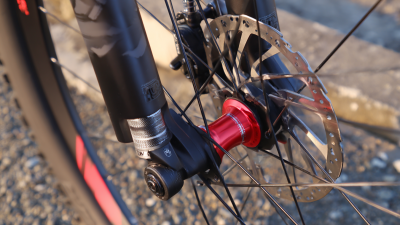
A carbon fork is a bicycle fork whose main structure is made from layered carbon-fiber composite. It holds the front wheel and connects it to the frame through the steerer tube. Carbon can be shaped to balance stiffness, weight, and vibration comfort. The result depends on the fiber layup, resin, design, and manufacturing quality. Carbon does not automatically mean stronger or safer. A poorly matched or damaged fork can fail, so careful inspection matters.
Buyers should start with their riding style and the frame maker’s specifications. A road fork may favor low weight and precise steering, while a gravel model often allows wider tires and extra clearance. Mountain-bike forks usually need suspension, not a rigid carbon design, though some cross-country riders choose rigid options. Check the wheel size, brake type, axle standard, steerer dimensions, and maximum tire width before buying. Details matter.
The phrase Fork Carbon appears in product searches, but it is not a useful buying standard by itself. Compare complete specifications and follow the manufacturer’s fitting and maintenance guidance. Look for clear inspection instructions and warranty information. If a fork has suffered a hard impact, ask a qualified bicycle mechanic to assess it; composite damage may not be obvious. Buyers can overfocus on grams. Fit, compatibility, and intended use deserve equal attention, even if comparing them takes more time.
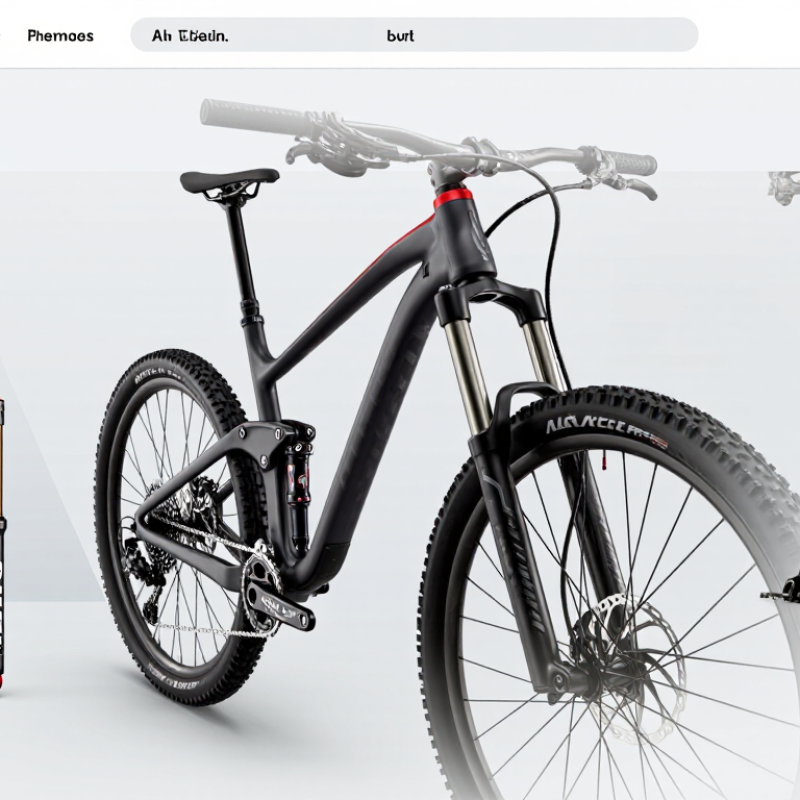
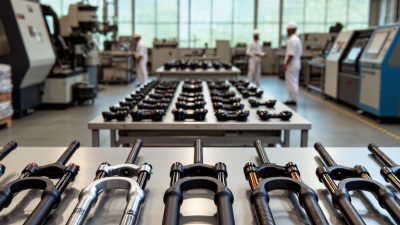
A carbon fork is a composite structure, not a solid piece of carbon. Thin carbon-fiber sheets are placed into a mold with resin, then shaped around the fork’s blades, crown, and steerer. The fiber direction matters. Layers aligned along the blades help resist bending, while angled layers add torsional support. A bladder may press the layers against the mold during curing, reducing wrinkles and voids. Layup matters.
The U.S. Department of Energy’s materials data puts carbon-fiber density near 1.8 g/cm³, compared with about 7.8 g/cm³ for steel. That comparison describes the raw materials, not a finished fork; resin, geometry, and reinforcement affect the final weight. After curing, manufacturers trim and inspect the part, checking areas such as the crown and steerer junction for defects. Some designs mold these sections together; others bond components. Neither method alone guarantees quality. A tiny impact can also damage composite fibers beneath an unmarked surface, so visual inspection has limits. That part is easy to overlook.
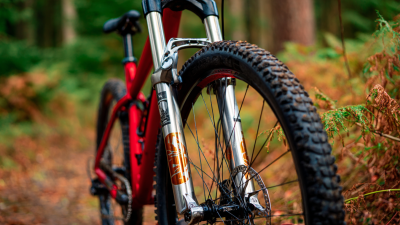
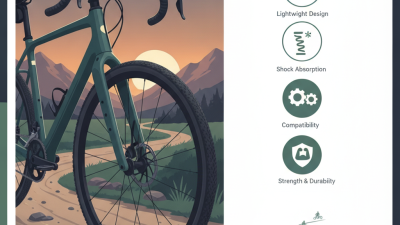
A carbon fork is not one universal shape. Road-bike forks usually have narrow blades and limited tire clearance, keeping steering precise on smooth pavement. Some include a little vertical give, but tire pressure and frame geometry affect comfort too. A fork alone cannot fix a harsh ride. On gravel bikes, blades often make room for wider tires, which can soften rough surfaces and improve grip. Many gravel designs add mounts for small bags or cages. Check the actual clearance with your wheel and tire; stated limits can depend on mud and wheel setup.
Mountain-bike forks need more clearance and stronger construction around the axle and brake. Rigid carbon models suit some cross-country riding, but they are not a substitute for suspension on repeated, hard impacts. That distinction matters. Touring and utility bikes may need rack or fender mounts, plus enough strength for loaded riding. Carbon designs vary, and not every fork supports those fittings. I would compare the intended bike type, tire width, brake standard, axle, and mounting points before judging weight or looks. Specifications can feel less exciting, but they prevent expensive mismatches. A lighter fork is not automatically the better choice.
A carbon fork uses carbon-fiber layers set in resin to support the front wheel and steer the bicycle. Its main appeal is low mass and the freedom to tune stiffness through fiber direction and layup. The difference is tangible when lifting a bike or climbing out of the saddle. But a carbon fork is not automatically more comfortable; tire size, pressure, and road surface often matter more.
The industry reference CMH-17, Volume 3, places many carbon/epoxy laminates around 1.5–1.6 g/cm³, compared with roughly 2.7 g/cm³ for aluminum. That material-level gap helps explain carbon’s weight advantage, though it does not predict a complete fork’s weight. Ride feel depends on design, not material alone. Small detail, big effect. Carbon can also resist corrosion, but resin and fibers may be damaged by sharp impacts or poor clamping.
There are trade-offs. A crack or crushed area may be difficult to spot beneath paint, and repair options can be limited. After a crash, have the fork assessed by a qualified mechanic rather than relying on a quick visual check. ISO 4210-6:2023 sets impact and fatigue test methods for bicycle forks; passing standard tests does not make a fork immune to damage. Buyers choosing carbon should check the fork’s intended use, tire clearance, and inspection guidance. For rough commuting or frequent impacts, durability and easy replacement may outweigh a small weight saving.
Typical approximate weight ranges for rigid adult bicycle forks, by material (grams).
Carbon forks are often lighter than comparable aluminum or steel forks, and their layup can be designed to tune stiffness and vibration response. They can cost more and should be inspected carefully after impacts; damage may be less visible than on metal forks. Actual weights vary with fork design, steerer, axle, and intended use, so compare specifications for the exact bikes you are considering.
Fork materials trade weight, ride feel, durability, and cost. Granta EduPack materials data puts typical carbon-fiber/epoxy composites near 1.5–1.6 g/cm³, compared with about 2.7 for aluminum and 7.8 for steel. ASM Handbook, Volume 21: Composites, explains why those figures do not predict fork weight alone: fiber direction and laminate design matter. A carbon fork can be tuned for lateral stiffness and some vibration filtering, but its layup determines the result. That matters on rough pavement.
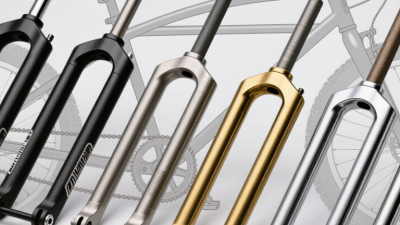
Aluminum is lighter than steel and often suits buyers seeking a straightforward, lower-cost fork; its ride can feel firm, depending on tube shape and construction. Steel is heavier, yet its resilience and repair options appeal to touring riders. Titanium is light and corrosion-resistant, but typically costs more. Still, it is not a perfect comparison: complete-fork weight also depends on steerer, axle, brake mounts, and design. Carbon may hide damage after a hard impact, so inspect it carefully and seek qualified assessment if cracked or sharply struck. ISO 4210-6 sets laboratory test methods for bicycle forks, but no test replaces checking the actual fork after a crash. I would not choose by material label alone.
Choosing a carbon fork starts with an honest look at your usual rides. Smooth road miles may favor a light, responsive fork with narrow tire clearance. Gravel routes often need room for wider tires and enough clearance for mud. Rough trails call for a fork designed for that specific frame and terrain. Carbon can reduce weight and soften some road buzz, but it is not automatically the best choice for every rider.
Check the fork’s steerer, axle, brake mount, and tire-clearance specifications against your bike. A mismatch can make installation unsafe or impossible. If you carry bags or use fenders, confirm that the fork supports those fittings and loads. Read the maker’s guidance, and ask a qualified mechanic if compatibility is unclear. Think about your real routes, not just the lightest option on a product page. I’ve found that comfort can be hard to predict until a fork is ridden on familiar roads.
Tips: Inspect the fork after a crash or hard impact. Small details matter. Use a torque wrench where specified, and follow the installation instructions. Not always obvious: a quiet creak deserves attention, not guesswork.
A carbon fork uses carbon-fiber composite in some or all of its structure. Fork designs differ in intended riding, tire clearance, geometry, and construction. Use this guide to narrow your choice, then confirm compatibility with your bicycle and components.
| Fork Type | Best Suited To | Typical Tire Clearance | Common Construction | Key Benefits and Trade-Offs | Choose This Type If… |
|---|---|---|---|---|---|
| Race Road Carbon Fork | Road racing, fast group rides, and smooth pavement | Often about 25–32 mm, depending on the frame, rim, and tire | Usually carbon blades; the crown and steerer may be carbon or another material | Designed for low weight and precise handling. Clearance may be limited for wider tires or rough-road use. | You prioritize a quick road-bike feel and will ride within the bicycle’s specified tire-clearance limits. |
| Endurance Road Carbon Fork | Long road rides, imperfect pavement, and everyday road cycling | Often about 28–38 mm; the exact limit is model-specific | Commonly carbon blades, with steerer material varying by design | May provide more room for wider tires than a race-focused fork. Comfort also depends on tire pressure, wheel setup, and frame geometry. | You want a road-focused fork with room for somewhat wider tires and a more versatile riding setup. |
| Gravel Carbon Fork | Mixed pavement, gravel roads, and light off-road routes | Often about 40–50 mm, but clearance varies substantially by fork and wheel size | Carbon blades and crown are common; some designs include mounting points for accessories | Typically offers wider-tire clearance and may include mounts. Added mounts and larger clearance do not guarantee compatibility with every frame or load. | You regularly ride varied surfaces and need clearance for wider gravel tires or fork-mounted gear. |
| Cyclocross Carbon Fork | Cyclocross racing and short, technical off-road courses | Designed around cyclocross tires; race rules and local regulations may limit tire width | Often a relatively light carbon design, with brake mounts and clearance made for its intended setup | Built for responsive handling and cyclocross conditions. Mud clearance and tire limits should be checked carefully. | You ride cyclocross and need a fork designed for your wheel, brake, tire, and racing requirements. |
| Rigid Mountain Bike Carbon Fork | Rigid mountain bikes, bikepacking, and suitable off-road trails | Specified for a particular wheel size and tire range; some designs accommodate tires around 2.0–2.4 in | Usually a purpose-built rigid fork with mountain-bike axle, brake, and geometry standards | Can reduce weight compared with many suspension forks, but does not provide suspension travel. Incorrect fork length can change handling. | You want a rigid setup and have verified the required axle, wheel size, brake mount, and suspension-corrected geometry. |
| Touring or Utility Carbon Fork | Loaded touring, commuting, or utility riding when the fork is explicitly rated for the use | Varies by design; check the fork’s stated maximum tire size and fender clearance | May use carbon blades with reinforced areas or mounts; load limits are design-specific | Some models provide rack or fender mounts, but carbon forks are not automatically suitable for carrying luggage. Follow the stated load rating. | You need a carbon fork for practical riding and can confirm its mounting options, load limit, and compatibility with your rack. |
Before buying: Match the steerer diameter and length, axle standard, wheel size, brake type and mount, offset, and fork length to your bicycle. Verify tire clearance with the actual tire and rim combination, allow room for mud or debris where relevant, and follow the fork maker’s installation and load instructions. Carbon forks may have carbon blades with an alloy steerer, or carbon throughout; “carbon fork” alone does not specify the material of every part.