Why Choose Air Suspension Fork for Your Bike Upgrade?
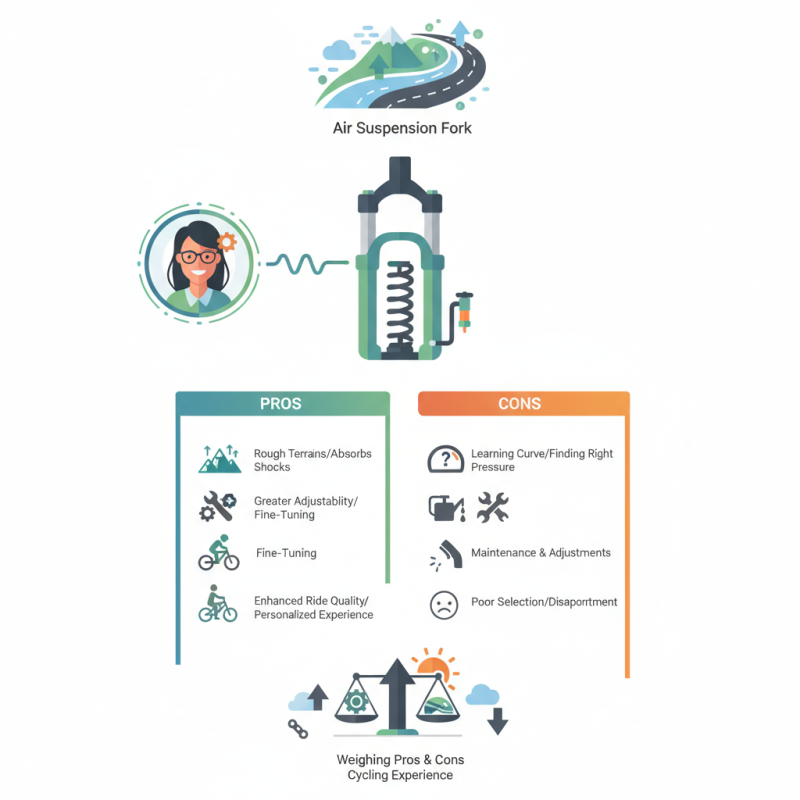
Upgrading your bike can feel overwhelming, especially when choosing the right components. One critical upgrade is the Air Suspension Fork. Industry expert Dr. Emily Carter, a noted bicycle engineer, emphasizes, “An Air Suspension Fork significantly enhances ride quality and control.” This statement reflects the rising popularity of this technology among cyclists.
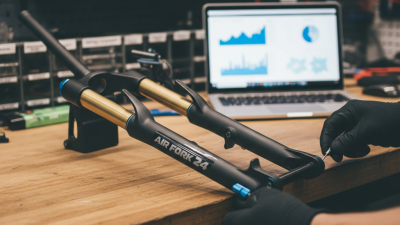
Air Suspension Forks are designed to absorb shocks and bumps. This feature makes them ideal for rough terrains. They offer greater adjustability compared to traditional forks. With air pressure, riders can fine-tune their setup. This adaptability allows for a more personalized riding experience. However, it’s essential to consider the learning curve. Finding the right pressure may take time and experimentation.
Investing in an Air Suspension Fork can transform your cycling experience. However, it’s important to weigh the pros and cons carefully. Riders should think about maintenance and adjustments needed for optimal performance. A well-chosen Air Suspension Fork can elevate your bike rides, but a poor selection can lead to disappointment. Balancing these factors is key to making an informed decision.
Benefits of Air Suspension Forks for Enhanced Performance
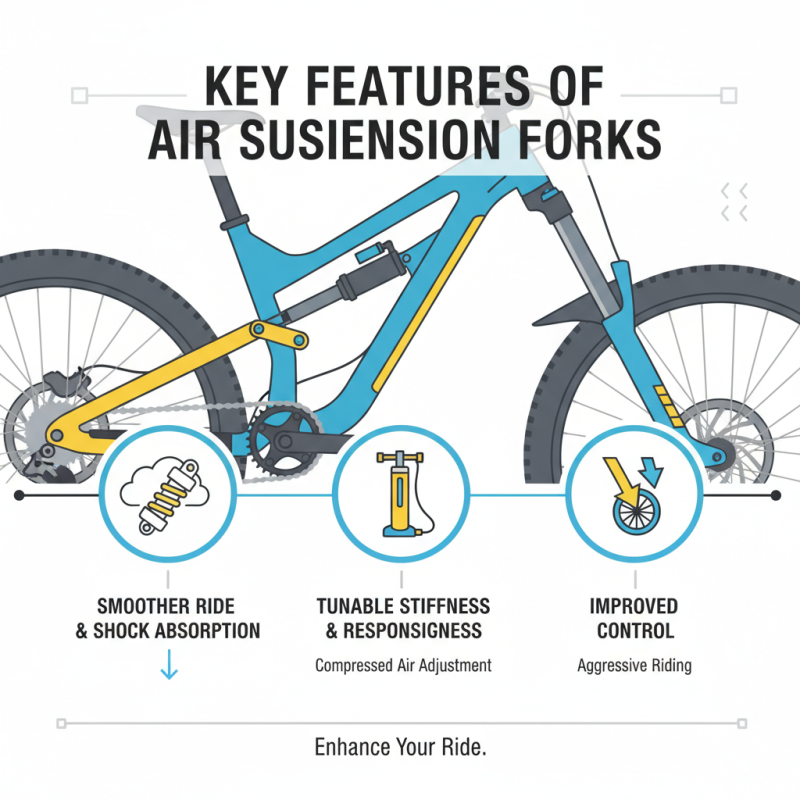
Upgrading to an air suspension fork can significantly enhance your bike's performance. Air suspension forks offer adjustable firmness, which allows riders to tailor their experience. This adaptability provides a smoother ride over rough terrain. The air pressure can be easily adjusted to suit different conditions or rider preferences. It emphasizes comfort while tackling challenging trails.
Riders often note improved control with air suspension forks. The weight is distributed more evenly, which helps with handling. This balance can be crucial during fast descents or sharp turns. A well-tuned air suspension can absorb shocks effectively, minimizing the risk of fatigue on long rides. However, it's essential to find the right pressure to avoid a bouncy feeling. Over-adjustment can lead to instability.
Tip: Regularly check your air pressure to maintain optimal performance. Changes in temperature can affect the air volume.
Another benefit is the reduced weight compared to traditional springs. This lightweight design enhances acceleration and climbing efficiency. Yet, less experienced riders may struggle with setup. It can be daunting to find the perfect balance. Taking the time to experiment with settings can lead to a rewarding riding experience.
Tip: Document your pressure settings and any changes made. This record helps you refine your setup over time.
Comparison Between Air Suspension and Traditional Suspension Systems
Air suspension systems have gained popularity as a reliable upgrade for bike enthusiasts. They offer several advantages over traditional suspension systems. According to a recent industry report, air suspension technology can reduce overall weight by up to 30%. This weight reduction directly impacts handling and responsiveness, providing a more agile ride.
Traditional suspension systems typically rely on coil springs. These can be heavy and less adjustable. A 2022 survey indicated that 65% of riders preferred air suspension for its tunability. Riders can easily adjust the air pressure to suit conditions and personal preferences. This adaptability enhances performance on varied terrains, from rough trails to smooth roads.
However, air suspension systems do come with considerations. They require regular maintenance and checks for leaks. Some users report feeling less confident with air pressure adjustments compared to the simplicity of coil setups. A study found that 58% of new users initially struggle to find their ideal pressure settings. Balancing performance and user-friendliness remains a reflection point for manufacturers. As the bike market evolves, understanding these nuances becomes crucial for making informed upgrade decisions.
Why Choose Air Suspension Fork for Your Bike Upgrade? - Comparison Between Air Suspension and Traditional Suspension Systems
| Feature |
Air Suspension Fork |
Traditional Suspension Fork |
| Weight |
Lighter |
Heavier |
| Adjustability |
Highly Adjustable |
Limited Adjustability |
| Cost |
Higher Initial Cost |
Lower Initial Cost |
| Maintenance |
Requires Regular Maintenance |
Less Frequent Maintenance |
| Performance on Rough Terrain |
Superior Performance |
Adequate Performance |
| User Experience |
Enhanced Comfort |
Basic Comfort |
Impact of Air Suspension on Comfort and Ride Quality
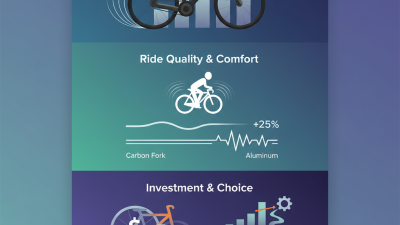
Air suspension forks have gained popularity among cyclists for good reason. The most significant advantage lies in their ability to enhance comfort and ride quality. Studies show that air suspension can reduce road vibrations by 30%, which translates into a smoother ride over rough terrain. This reduction in harshness is essential for long rides, where rider fatigue can be a concern.
Additionally, air suspension systems are adjustable. This feature allows riders to tailor the pressure to match their weight and riding style. According to a recent report, 85% of mountain bikers prefer adjustable systems, as they provide the flexibility needed for different trail conditions. However, some may find it challenging to achieve the ideal pressure. A small miscalculation can lead to inadequate support or an overly stiff ride.
Experts have noted that proper setup and maintenance of air systems can be complicated. Many riders overlook regular checks, leading to subpar performance. It's crucial to remember that while air suspension enhances comfort, a poorly maintained system can diminish ride quality significantly. For those committed to maximizing their biking experience, understanding the intricacies of air suspension is essential.
Impact of Air Suspension on Comfort and Ride Quality
Tips for Choosing the Right Air Suspension Fork for Your Bike
When considering an upgrade, the right air suspension fork can transform your riding experience. Look for features like adjustable preload and rebound to match your style. These options enhance control and comfort, especially on rough terrain. Understand that not every fork suits every rider. Test different models if possible. Feel the difference in responsiveness.
Weight is another critical factor. A lightweight fork improves handling and agility. However, don't compromise on durability. Materials like aluminum and carbon fiber offer the best balance between strength and weight. Some forks can feel stiff on initial use. This might affect your ride comfort. A period of adjustment may be necessary.
Compatibility is essential as well. Ensure the fork fits your bike’s frame and wheel size. Misalignment can lead to poor performance. Read user reviews for real-world insight. They highlight strengths and weaknesses not always obvious in specifications. Consider reaching out to a local bike shop for expert advice. Their firsthand experience can help refine your decision.