What is a Carbon Fork Road Bike and Why You Need One?
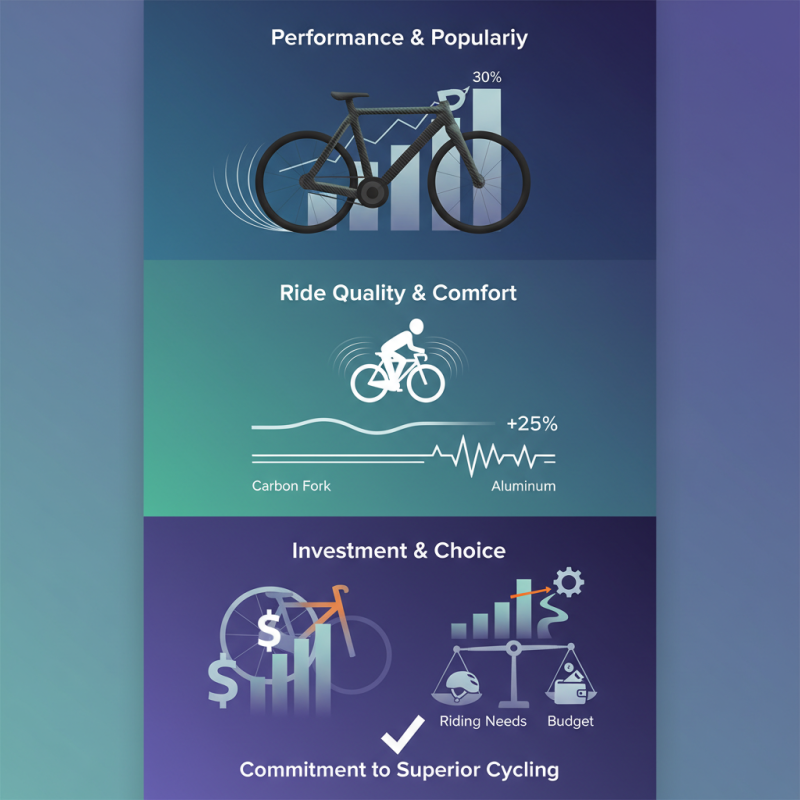
As cycling enthusiasts seek the best performance, the "Carbon Fork Road Bike" emerges as a compelling choice. With advancements in materials and technology, carbon fiber has revolutionized bike design. According to a recent report by the Bicycle Product Suppliers Association, carbon bikes make up nearly 30% of the high-end road bike market, showcasing their popularity among serious cyclists.
The lightweight nature of carbon forks significantly affects ride quality. Riders can experience better handling and reduced fatigue during long rides. A study conducted by Cycling Sports Group highlights that bikes with carbon forks improve vibration dampening by up to 25% compared to aluminum. This benefit is essential for serious cyclists looking to enhance their endurance and performance.
However, not all carbon fiber bikes are created equal. The price point can be a barrier for some, with high-quality models often exceeding $2,500. While the benefits are clear, cyclists must weigh their budget against their riding needs. A careful assessment leads to informed choices. Investing in a "Carbon Fork Road Bike" is more than a purchase; it’s a commitment to a superior cycling experience.
What is a Carbon Fork Road Bike?
A carbon fork road bike features a fork made primarily of carbon fiber. This material is for its lightweight and strong nature. It absorbs shock well, providing a smooth ride even on rough surfaces. Riders often notice improved performance when using such bikes.
The design of a carbon fork allows for better aerodynamics. A lighter bike means faster acceleration and easier climbing. Many competitive cyclists prefer it for these reasons. However, it is essential to recognize that carbon forks can be prone to damage. A small crack can lead to severe consequences. Regular inspections are necessary to ensure safety.
Despite the overall benefits, some riders worry about the durability. While carbon is strong, it does require careful handling. Understanding maintenance is crucial. This balance of performance and care is what makes a carbon fork road bike an excellent choice for serious cyclists.
What is a Carbon Fork Road Bike and Why You Need One?
| Feature |
Details |
| Material |
Carbon Fiber |
| Weight |
Typically 300-600 grams |
| Ride Quality |
Superior shock absorption |
| Durability |
Highly resistant to corrosion and fatigue |
| Price Range |
$800 - $3000+ depending on specifications |
| Purpose |
Performance cycling, racing, and long-distance rides |
| Maintenance |
Requires specific care to prevent damage |
Key Features of Carbon Forks in Road Bikes
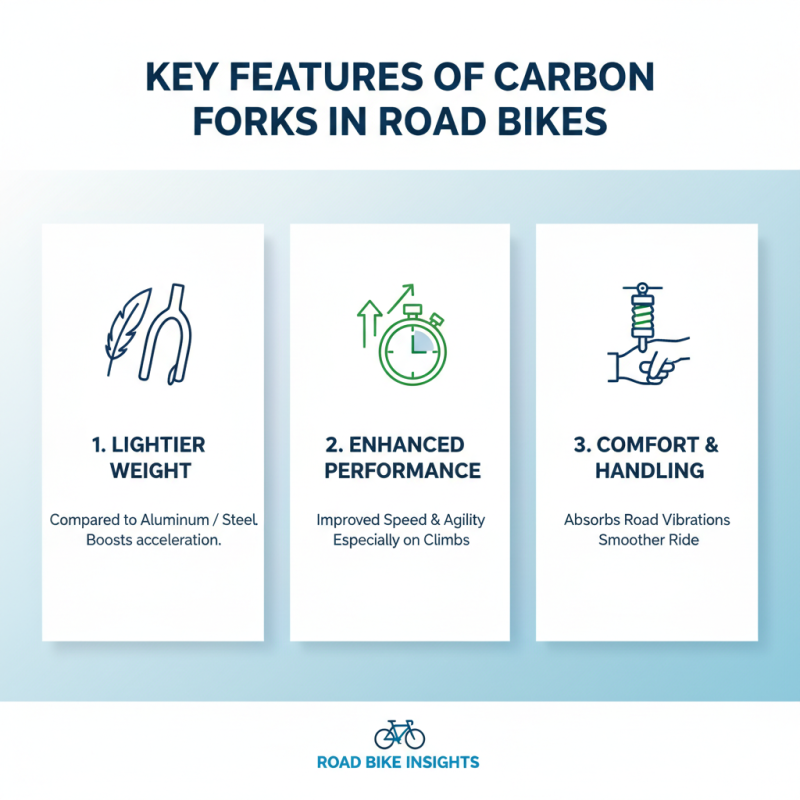
Carbon fork road bikes have gained popularity for their unique features. A carbon fork typically offers a lighter weight compared to aluminum or steel forks. This reduction in weight can significantly enhance your bike's performance. Riders often notice improved speed and handling, especially on challenging climbs.
The damping characteristics of carbon forks are another advantage. They absorb road vibrations effectively, contributing to a smoother ride. This means less fatigue, particularly on long rides. A carbon fork also adds stiffness, translating to better power transfer from the pedals. However, achieving a perfect balance between stiffness and compliance can be tricky. Each rider may have different preferences.
While there are many benefits, it's essential to consider the durability of carbon. Carbon forks can be more susceptible to damage from impacts than their metal counterparts. Riders should be cautious when navigating rough terrains. It’s worth weighing the pros and cons based on your riding style. A carbon fork can enhance your cycling experience, but it requires careful handling and maintenance.
Advantages of Using a Carbon Fork Road Bike
A carbon fork road bike offers significant advantages for cyclists. The lightweight nature of carbon fiber reduces the overall weight of the bike. This makes climbing hills easier and improves speed on flat terrains. Riders often notice enhanced agility and responsiveness, allowing for sharper turns. The impact resistance of carbon means it can handle rough surfaces better than traditional materials.
Comfort is another key benefit. Carbon forks absorb vibrations from the road. This leads to a smoother ride, especially on long-distance journeys. Cyclists may find that fatigue sets in later, allowing them to cover more miles comfortably. However, it's crucial to recognize that not all carbon fiber is created equal. Some riders may experience a lack of control during high-speed descents.
Investing in a carbon fork bike can be worth it, but personal preferences play a role. What suits one rider may not fit another. It’s essential to test bikes before purchase, considering factors like handling and comfort. Understanding your riding style will lead to more informed decisions.
Comparing Carbon Forks to Other Materials in Road Bikes
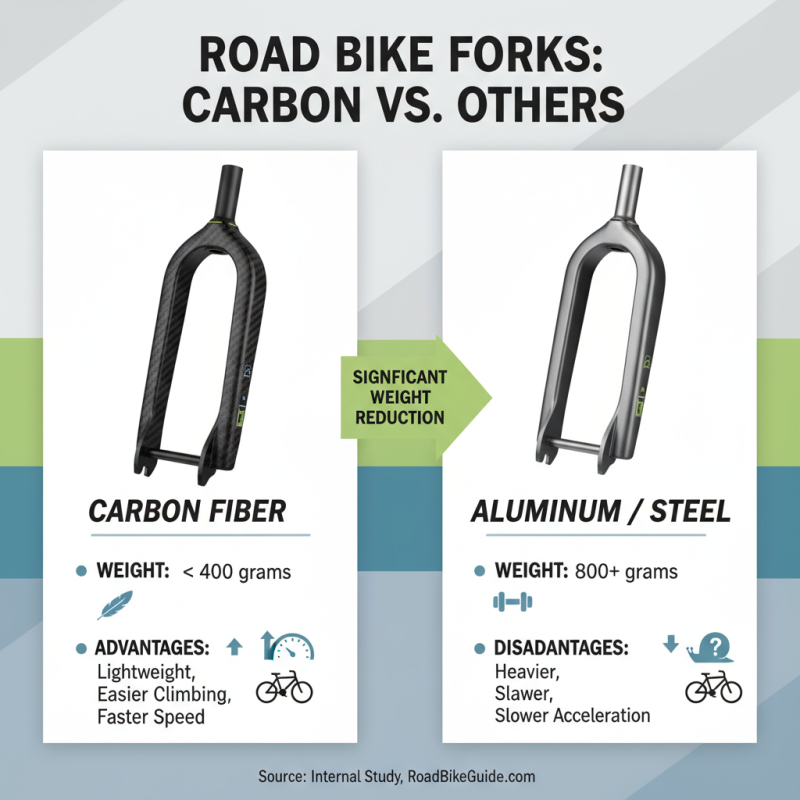
When comparing carbon forks to other materials in road bikes, the advantages become clear. Carbon fiber is lightweight, making it easier to climb hills and maintain speed. A typical carbon fork can weigh less than 400 grams. This is a significant reduction compared to aluminum forks, which can add extra weight to your ride.
Another key aspect is the vibration dampening capability of carbon. Riding over rough terrain can be jarring. A carbon fork absorbs shocks better than steel or aluminum options. This leads to a smoother ride, which can enhance comfort over long distances. Riders often report feeling less fatigue at the end of a long journey. However, carbon forks can be vulnerable to damage from hard impacts, leading to potential concerns about durability.
Cost is another consideration. Carbon forks tend to be pricier than their metal counterparts. Investing in a quality carbon fork may feel steep upfront. Yet, many cyclists find that the performance and comfort justify the expense. Balancing budget against the performance benefits can be a tricky decision. Owning a carbon fork can elevate your cycling experience, but it's essential to weigh these factors carefully.
Why a Carbon Fork Road Bike is Essential for Cyclists
A carbon fork road bike is a game-changer for serious cyclists. The lightweight nature of carbon fiber enhances speed and maneuverability. Riders notice a significant difference on uphill climbs. For those who frequently race, a carbon fork can provide that extra edge needed for competition.
Beyond performance, comfort is key. Carbon forks absorb road vibrations effectively. This reduction in shock leads to a smoother ride. Long rides feel less taxing on the body. However, some cyclists may find the fork's flexibility takes time to adjust to, especially when shifting lanes abruptly.
Durability is another reason for choosing a carbon fork. When properly maintained, it can last for years. Yet, it’s essential to be mindful of potential damage. Cracks can silently develop, compromising safety. Regular check-ups can help maintain its integrity. Embracing a carbon fork road bike requires understanding both its advantages and vulnerabilities.