Top 5 Carbon Fork Road Bikes for Ultimate Performance?
In the competitive world of cycling, the choice of a Carbon Fork Road Bike can significantly impact performance. Renowned bike expert, Dr. Emily Gale, emphasizes, “The right bike can transform your ride into a superior experience.” This statement underscores the importance of selecting the best equipment.
Carbon fork road bikes offer unique advantages. They provide excellent vibration damping, resulting in a smoother ride. This feature enhances comfort over long distances, which is crucial for endurance cyclists. However, not all carbon fork designs are created equal. Some may not withstand the rigors of aggressive riding. Riders must be vigilant about quality.
As we explore the top five options in this category, we must consider various factors. The weight, stiffness, and responsiveness of each bike play an essential role. While many bikes boast impressive specifications, they also come with a price. Not every cyclist needs top-tier gear to enjoy the ride. Evaluating your personal needs is essential for making the right choice.
Understanding Carbon Fork Features in Road Bikes
When it comes to road bikes, the fork plays a vital role. A carbon fork noticeably reduces weight. This makes climbing easier and enhances your speed. The stiffness of carbon also improves handling. Riders will appreciate the responsiveness on sharp turns.
Beyond weight and stiffness, the vibration dampening of carbon is critical. It absorbs shock from uneven surfaces, providing a smoother ride. This feature can be essential during long rides or races. However, some may find carbon more susceptible to damage than traditional materials. Proper care and occasional inspection are necessary to ensure safety.
Furthermore, consider the design aspects. A well-designed carbon fork can improve aerodynamics. This subtle enhancement could translate to better performance. Yet, it's important to remember that not all carbon is created equal. Understanding the specific features of a fork can help in making informed decisions.
Benefits of Carbon Forks for Performance and Ride Quality
Carbon forks have become a game-changer for road bike performance. They provide lighter weight compared to traditional materials. This reduction in weight significantly enhances acceleration and climbing. A report by Cycling Weekly highlights that road bikes with carbon forks can be up to 30% lighter. This aspect is crucial for competitive cyclists seeking speed.
Moreover, carbon forks improve ride quality. They absorb road vibrations better than aluminum or steel. A study published in the Journal of Sports Engineering found that carbon fork designs reduce fatigue during long rides. Riders reported less discomfort and more control. This improved comfort allows cyclists to maintain higher speeds over extended distances.
However, the benefits of carbon forks are not without caveats. Repairs can be complex and costly. While they resist corrosion, carbon fibers can be damaged under extreme conditions. Maintenance requires careful inspection. Cyclists must weigh these factors against performance gains. Balancing the pros and cons ensures informed decisions for potential buyers.
Top 5 Carbon Fork Road Bikes for Ultimate Performance
This chart compares key performance metrics such as weight, stiffness, and ride quality for five leading carbon fork road bikes. Each metric provides insight into how carbon forks enhance overall biking experience.
Top Considerations When Choosing a Carbon Fork Road Bike
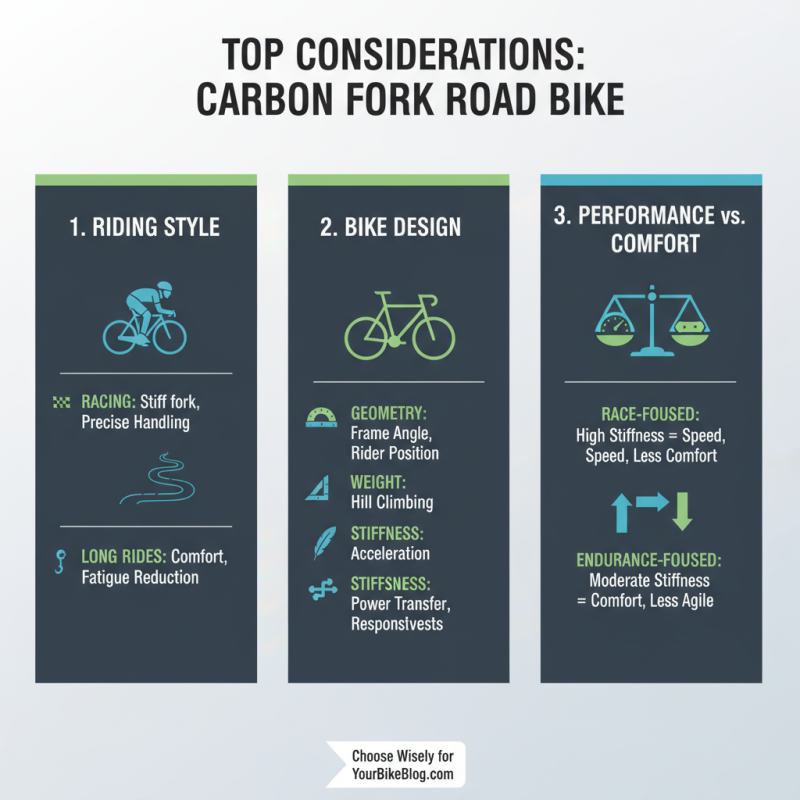
When selecting a carbon fork road bike, consider your riding style. Are you racing or enjoying long rides? The bike’s design affects performance. Pay attention to geometry, weight, and stiffness. A stiffer fork offers precise handling, which is crucial in races. However, it could impact comfort on longer rides, leading to fatigue.
Try different models if possible. Sometimes, riders stick with a bike that feels good, even if it’s not the best fit for their needs. Comfort should not be overlooked. A bike that is too rigid may cause discomfort over time. On the other hand, an overly flexible fork may compromise speed. Balance is key.
Tip: Always check the fork's weight. Lighter forks can improve your overall speed. However, also consider how the fork absorbs road vibrations. This can significantly affect your comfort level. Listen to your body when testing bikes. Each ride should feel enjoyable, not burdensome. Don't hesitate to reflect on your experience and adjust your choice accordingly.
Overview of the Top 5 Carbon Fork Road Bikes on the Market
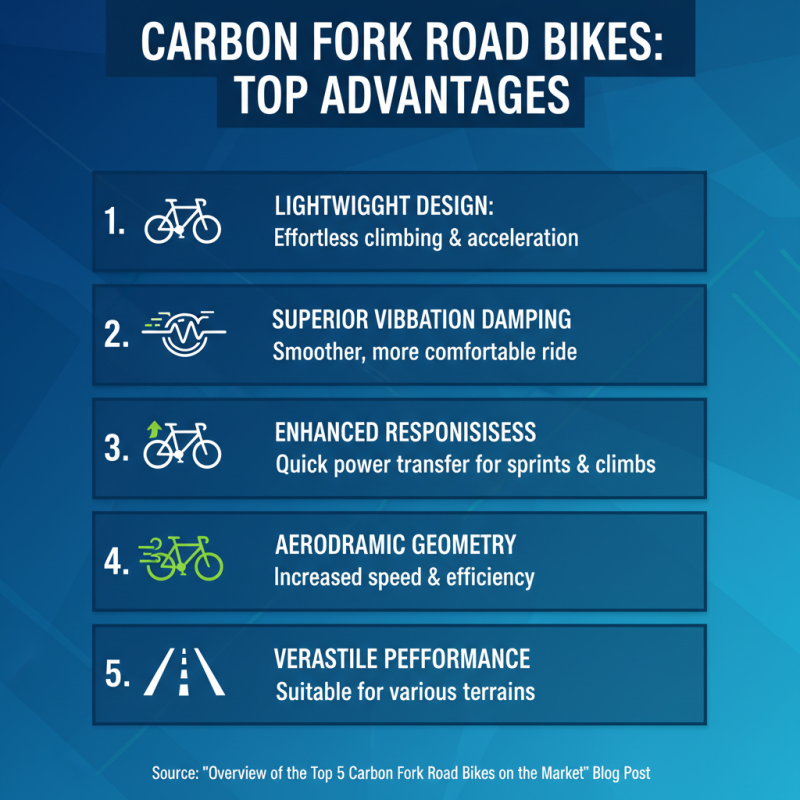
Carbon fork road bikes have gained popularity due to their lightweight design and excellent performance. They provide superior vibration damping, allowing for a smoother ride on various terrains. Many cyclists appreciate the responsiveness these bikes offer during climbs and sprints. Various models feature aerodynamic geometry, enhancing speed and efficiency.
When choosing a carbon fork road bike, consider the frame material and geometry. Some bikes may prioritize comfort, while others focus on speed. A rider's preferences significantly impact their choice. It’s crucial to test different models to find the best fit. The ideal bike should enhance your riding experience without being overly aggressive or harsh.
Remember, no bike is perfect. Some carbon forks might require delicate handling to avoid damages. Regular maintenance is essential to ensure durability and performance. Riders should also be mindful of potential issues like fork stiffness or alignment. Each ride can offer lessons about personal preferences and performance needs.
Comparing Prices and Specifications of Leading Models
When looking for the top carbon fork road bikes, specifications and prices are crucial. Carbon forks enhance bike performance by reducing weight and improving aerodynamics. Consider models with a balance of stiffness and comfort for the best ride feel. Pricing varies widely, so it's vital to assess features beyond the sticker price.
Many leading models fall into different price ranges. Some may offer better components or lighter frames, while others focus on durability. Pay attention to the weight of the bike, as a lighter bicycle can significantly improve climbing efficiency. Evaluate the geometrical design too; it plays a key role in handling and overall riding experience.
Tips: Check user reviews for real-world performance insights. Often, specifications look good on paper but may not translate effectively on the road. Experience gained from others can spotlight imperfections in design or comfort that may not be apparent initially. Invest time in researching bike fit as it profoundly influences performance and enjoyment during rides.