Top Bike Suspension Front Options for Superior Performance?
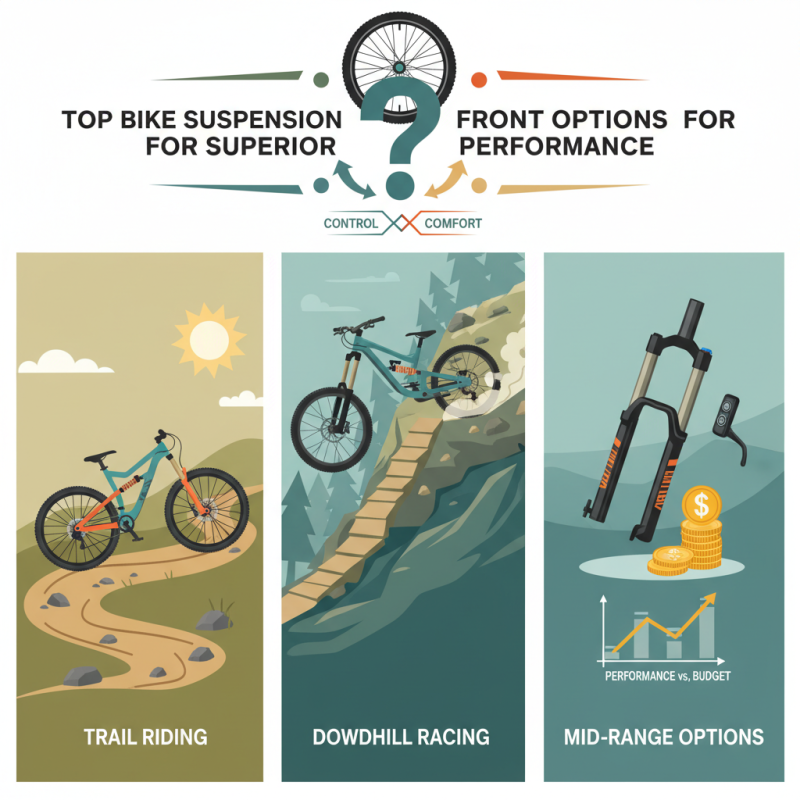
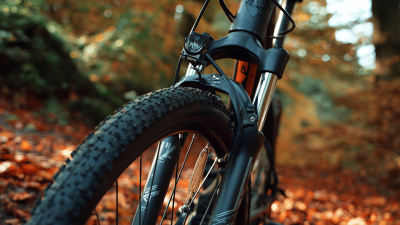
Choosing the right bike suspension front is crucial for enhancing your riding experience. A well-functioning front suspension can absorb shocks effectively, providing better control and comfort. However, selecting the best option can be daunting, given the variety of choices available.
Bike suspension fronts come in various designs, each offering unique advantages. Some are designed for trail riding, while others excel in downhill racing. It’s essential to consider your riding style and terrain. A mismatch can lead to a less-than-ideal performance.
While some riders invest heavily in high-end models, others find that mid-range options suit their needs perfectly. It’s vital to weigh performance against budget. Test rides can reveal nuances that specifications may not convey. This exploration allows you to reflect on what truly enhances your ride. In the end, the right bike suspension front can make all the difference.
Top Features to Consider in Front Suspension Systems for Bikes
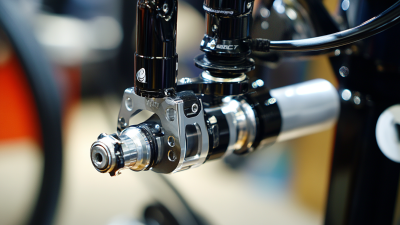
When it comes to bike front suspension, several features can greatly affect riding performance. One crucial aspect is the suspension type. Whether opting for air or coil, each has distinctive benefits. Air suspension is lighter and adjustable, while coil offers consistent performance in rugged terrains.
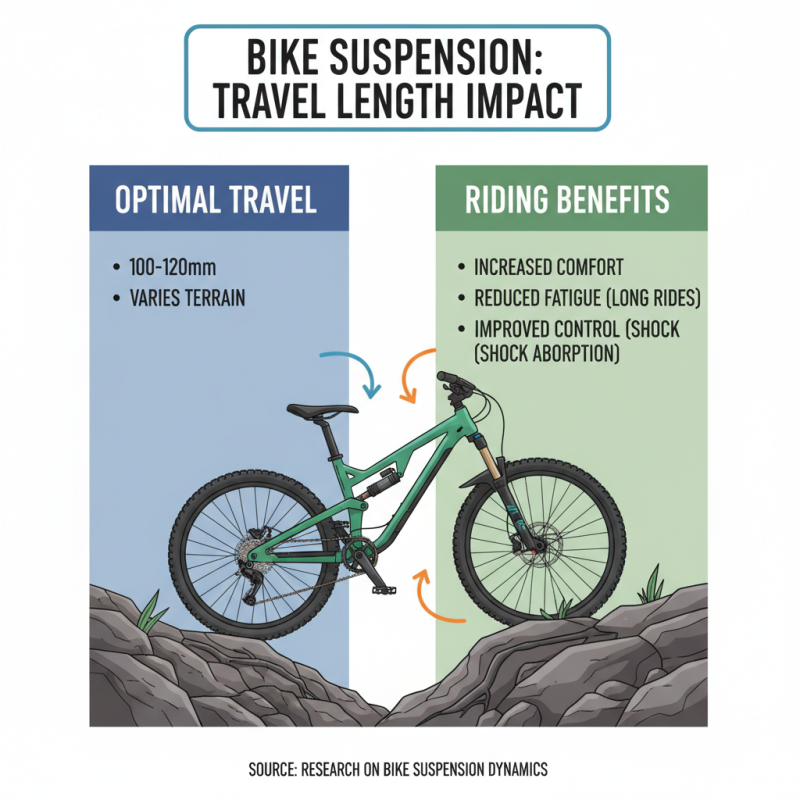
Another essential feature to consider is the travel distance. This refers to how much the suspension can compress. Bikes with greater travel handle bumps better, providing a smoother ride. However, more travel can lead to a higher center of gravity, which may impact handling. Balance is key here.
Rebound and compression settings are also important. These adjustments control how quickly the suspension returns after a bump. A faster rebound provides a dynamic ride on rough surfaces, but excessive speed can lead to instability. Thoughtful tuning is necessary to find the right settings that match your riding style. Testing various setups can reveal what's optimal. This exploration adds complexity to the user experience, fostering deeper understanding and skill refinement.
Comparative Analysis of Air vs. Spring Suspension Systems in Performance
When considering bike suspension systems, air and spring options provide distinct benefits. Air suspension systems are often lighter, making them a popular choice for competitive cyclists. They can be easily adjusted for different riding conditions, offering customizable performance. According to a recent industry report, air shock absorbers can reduce overall bike weight by up to 30%. This can significantly enhance acceleration and climbing efficiency.
On the other hand, spring suspension systems tend to offer a more consistent performance in rugged terrains. They can absorb impacts effectively, which can improve rider confidence on downhill rides. A study conducted by the International Bicycle Federation indicated that spring systems often provide 10-15% better shock absorption in challenging environments. However, they can be heavier, contributing to increased fatigue over long rides.
Both systems require regular maintenance to ensure optimal performance. Air shocks may leak, leading to inconsistent pressure, while spring systems can suffer from wear and fatigue. Cyclists should reflect on their riding style and conditions to choose the best option. Evaluating personal preferences and performance needs is crucial for achieving superior riding experience.
Key Brands Dominating the Front Suspension Market and Their Innovations
The front suspension market is evolving rapidly. Key brands focus on innovative designs that enhance performance. These companies invest heavily in research, testing new materials, and technologies. Their commitment leads to lighter, stronger components, which improve overall ride quality.
One notable trend is the development of adjustable suspension systems. Riders can customize their setup for different terrains. This adaptability enhances control and comfort, especially on challenging rides. However, not all riders leverage these features. Some find them too complex and prefer simpler designs.
Another innovation is the integration of electronic systems. These systems automatically adjust damping based on the terrain. While they offer convenience, they can also raise concerns about reliability. The balance between technology and user-friendliness is often debated among cycling enthusiasts. Performance is essential, but it shouldn't come at the cost of maintenance issues.
Top Bike Suspension Front Options for Superior Performance
| Suspension Type |
Travel (mm) |
Weight (g) |
Adjustments |
Price Range ($) |
| Air Suspension |
120 |
1750 |
Rebound, Compression |
600 - 1500 |
| Spring Suspension |
150 |
2100 |
Preload, Rebound |
400 - 1200 |
| Dual-Crown Suspension |
200 |
2700 |
Rebound, Compression, Volume |
800 - 2000 |
| Single-Crown Suspension |
160 |
2100 |
Rebound |
500 - 1400 |
| Forks with Lockout |
120 |
1800 |
Lockout, Rebound |
300 - 1300 |
User Ratings and Performance Metrics: What the Data Reveals About Top Models
When considering front suspension for bikes, user ratings reveal vital performance metrics. Many riders prioritize smooth handling and response during various terrains. Data from user experiences shows how different models excel or fail in real-world conditions. Comfort can significantly affect your ride quality. Different weight distributions and riding styles lead to diverse preferences in suspension stiffness and travel.
Understanding how your riding style affects performance is crucial. Consider testing options on a similar terrain to your usual rides. User ratings often highlight the importance of adjustability. A suspension system that allows you to tweak settings can enhance your riding experience.
Performance metrics reveal trends in reliability. Some models show inconsistent performance, which can lead to frustration. Regular maintenance also plays a role in effectiveness. Neglecting this aspect may lead to decreased performance over time. Exploring user reviews can provide insights into long-term durability. Ultimately, your choice should reflect personal riding preferences and comfort levels.