What is the Sand Molding Process and How Does It Work?
The sand molding process is a crucial technique in metal casting, integral to various industries. According to a report by Research and Markets, the global sand casting market is expected to reach $15 billion by 2025. This growth reflects the high demand for custom parts and efficient manufacturing solutions. The process involves creating molds using sand, which allows for intricate designs and durable products.
John Smith, an industry expert, emphasizes, "The sand molding process captures the essence of flexibility in casting." This adaptability makes it popular for producing both large and small quantities of parts. However, it's essential to reflect on the environmental implications of sand mining and waste generation. As the industry evolves, sustainable practices are becoming increasingly critical.
While the sand molding process continues to advance with technology, challenges remain. The quality of sand used and the potential for defects in casting must be addressed. It's an ongoing journey toward improving efficiency and reducing the environmental footprint. Balancing innovation with responsibility is key in this sector's future.
Overview of the Sand Molding Process
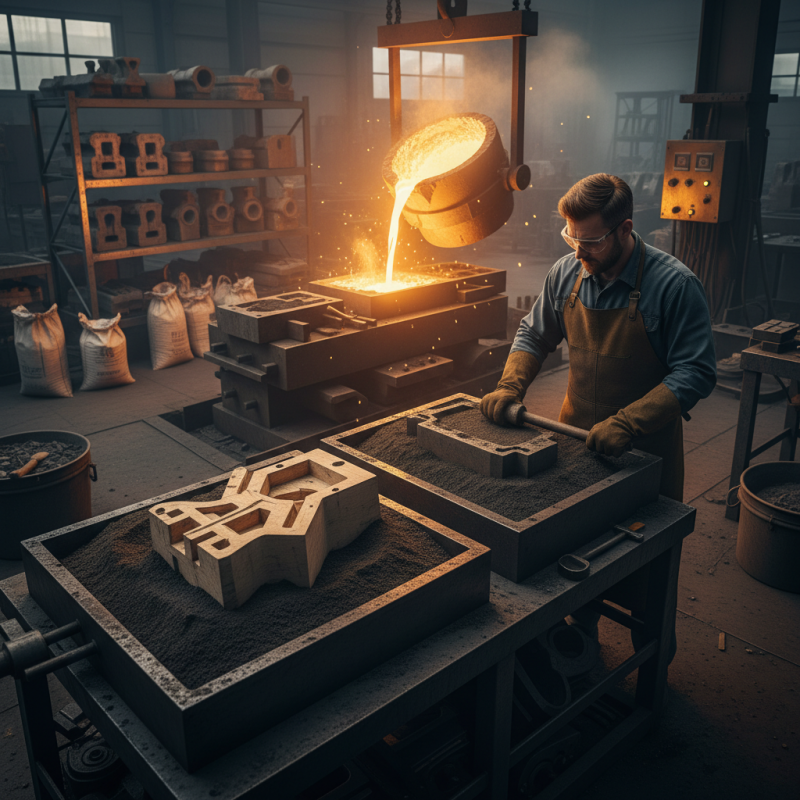
The sand molding process is a crucial method in metal casting. It involves creating a mold from a mixture of sand and a binding agent. This mold is used to shape molten metal into various objects. The process starts with the preparation of the sand mixture. The right balance of sand and binder is essential for strength.
Once the mixture is ready, it is packed around a pattern. The pattern is a replica of the desired final product. After packing, the mold is often subjected to compression to increase durability. However, achieving the perfect consistency can be challenging. Sometimes the mixture can be too dry or too wet, affecting the final mold quality.
After the mold is formed, it is disassembled to remove the pattern. The hollow space left behind is where molten metal will be poured. In some cases, imperfections may occur, such as uneven walls or air pockets. These flaws can compromise the overall integrity of the cast piece, leading to reshaping or additional work. This reflects the process's trial-and-error nature, requiring continuous refinement for optimal results.
Materials Used in Sand Molding
The sand molding process is a crucial technique used in metal casting. It primarily uses silica sand as the main material. Silica sand is selected for its properties. The grain size, shape, and purity affect the final product's quality. Good quality sand is vital for reducing defects.
In addition to silica sand, other materials are often included. Clay is used as a binder. It helps stick the sand grains together, enhancing strength. Water is added to activate the clay. The typical water content ranges from 2% to 4%. This moisture level ensures optimal mold strength.
Additionally, various additives enhance performance. For instance, resin-coated sand improves mold strength at high temperatures. However, careful monitoring is essential. An excess of resin can make the mold too brittle. Industry reports show a growing use of alternative materials like ceramic sand. These can reduce environmental impacts but may not be suitable for all applications. Balancing cost and quality is a recurrent challenge in sand molding.
Step-by-Step Procedure of Sand Molding
The sand molding process is essential in metal casting. It involves creating a mold from sand, which is then used to shape molten metal. This method dates back thousands of years. The procedure is intricate, requiring precision and skill.
To begin, sand is mixed with a binding agent, often clay. Water is added to improve cohesion. This mixture is then compacted into a mold box, which defines the shape of the final product. According to industry reports, approximately 80% of all metal castings are produced using sand molds. This highlights its widespread application in the foundry sector.
Next, the compacted sand is formed around a pattern, typically made of metal or wood. Afterward, the pattern is removed, leaving a cavity in the sand. It's crucial to ensure the cavity details match the desired final product. The molten metal is poured into this cavity after thorough inspection. However, imperfections can arise. Variations in temperature may lead to defects in the finished part, making continuous improvement necessary in the sand molding process.
Applications and Advantages of Sand Molding
Sand molding is a popular method in manufacturing that creates metal parts. Its applications are diverse. Many industries rely on it, from automotive to aerospace. The process is not always perfect. Sometimes, sand can stick to molds, leading to defects. However, the advantages often outweigh the drawbacks.
The flexibility of sand molding allows for both small-scale and large-scale production. Complex shapes can be formed easily. This flexibility means manufacturers can quickly adapt to specific needs. Using sand as a medium is cost-effective. It enables the production of intricate designs without substantial investments.
Another advantage is the ability to reuse sand. After a casting is completed, the sand can often be reclaimed for future molds. This reduces waste and lowers costs. Yet, the requirement for precise practices is essential. Improper mixing or inadequate compaction may lead to flaws. Sand molding requires careful attention to detail to achieve optimal results.
What is the Sand Molding Process and How Does It Work? - Applications and Advantages of Sand Molding
| Dimension | Details |
| Process Steps | 1. Pattern creation 2. Molding 3. Pouring metal 4. Cooling 5. Finishing |
| Materials Used | Silica sand, clay, water, additives |
| Applications | Automotive, aerospace, construction, art |
| Advantages | Cost-effective, versatile, good surface finish, complex shapes |
| Disadvantages | Less suitable for high-volume production, potential sand quality issues |
| Environment Impact | Dust generation, sand disposal challenges, recycling options |
Common Challenges and Solutions in Sand Molding
The sand molding process offers many benefits, but it is not without challenges. One common issue is inconsistent molding quality. Variations in sand mixture or moisture levels can lead to defects. Adjustments in the sand-to-water ratio are often needed. Regular testing helps ensure the mixture remains consistent.
Another challenge is sand erosion during the molding process. As molds are filled and removed, sand can wear down, leading to inaccuracies. To mitigate this, operators can use stronger or more durable binders. Implementing proper maintenance schedules also helps prolong mold life.
Finally, the risk of trapped air bubbles can compromise mold integrity. This can lead to weak spots in the final product. Using vacuum processing can significantly reduce this problem. However, these solutions can require additional equipment and training, which may pose a financial strain. It’s essential to weigh these factors when optimizing the sand molding process.