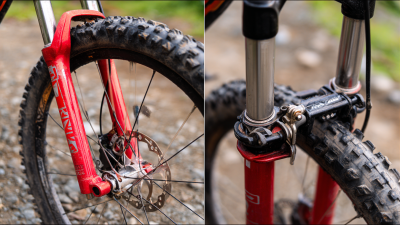
Top Mountain Bike Front Suspension Options for Global Buyers?
Choosing the right MTB front suspension can significantly enhance your cycling experience. It impacts the bike's handling and comfort on various terrains. Many bikes now feature advanced suspension systems. This can make it tough for buyers to decide.
The right MTB front suspension balances performance and cost. Factors like weight, travel, and adjustability are essential. These elements contribute to a smoother ride on rugged paths. Riders often struggle to find options that meet their specific needs. Understanding the features can feel overwhelming.
Global buyers must consider both quality and budget. Popular brands offer a range of MTB front suspension choices. However, not all options provide the same level of reliability. Careful research is crucial to ensure that riders make informed decisions. Riding preferences differ, and not every suspension will suit every rider. Thus, it's essential to reflect on individual needs before purchasing.
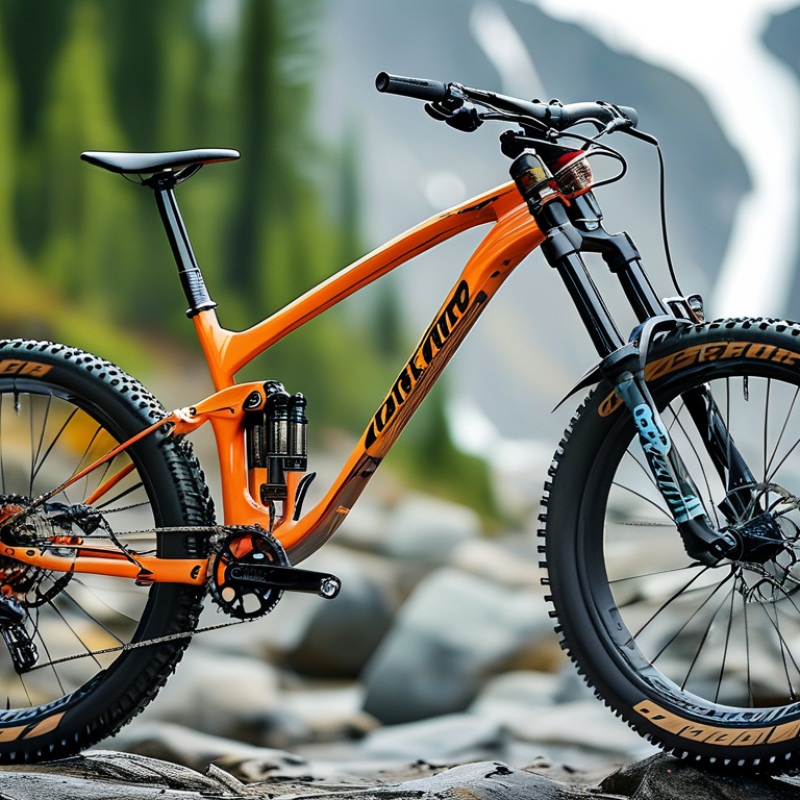
Overview of Front Suspension Types for Mountain Bikes
When it comes to front suspension systems for mountain bikes, cyclists have several options to consider. The two primary types are hardtail and full suspension. Hardtail bikes feature a solid frame with a suspension fork in the front. This setup is lighter and more efficient for climbing.
In contrast, full suspension bikes offer both front and rear suspension, providing enhanced control and comfort over rough terrain.
Research shows that nearly 70% of mountain bikers prefer full suspension for its ability to absorb impacts. This choice helps reduce fatigue and increases overall ride quality. The design allows for better traction on rocky paths and during descents. Data from recent studies suggest that full suspension can improve performance by up to 30% on challenging trails.
Additionally, different fork technologies can further influence rider experience. Some forks incorporate air springs, which are adjustable for weight and riding style. Others use coil springs, which may offer a more consistent feel. Both types have their pros and cons. Choosing the right suspension depends on rider preference and intended usage. Riders often reflect on their specific needs when selecting the ideal front suspension setup.
Key Features to Consider in Front Suspension Systems
When selecting front suspension systems for mountain bikes, several key features are essential. The first consideration is travel. According to industry reports, most serious riders prefer between 120mm to 160mm of travel for optimal performance on rugged trails. This range allows for better absorption of shocks from rocks and roots, enhancing rider control and comfort.
Another crucial feature is the damping system. Progressive damping helps in adjusting to different terrain impacts. Research shows that adjustments for compression and rebound can enhance performance significantly. A properly tuned damping system can minimize the chances of the bike bouncing or losing traction.
Weight is also a critical factor. A lighter suspension system improves overall bike handling but can sometimes compromise durability. Reports indicate that riders should explore materials like aluminum or carbon composites for a balance of strength and weight. However, the ideal choice often depends on personal riding styles and preferences, leading to a variety of solutions in this field. This means that not every option will suit every rider, and it's essential to test different setups before making a decision.
Top Brands and Models of Mountain Bike Front Suspension
When considering mountain bike front suspension, various options are available for global buyers. Suspension plays a critical role in ride quality and handling. According to a recent industry report, around 70% of mountain bikers prioritize suspension performance when purchasing a bike.
Popular types include air and coil suspension. Air suspensions are lighter and adjustable, making them a favorite among competitive cyclists. Coil suspensions, however, offer superior traction and durability, which many prefer for rugged trails. Studies show that nearly 65% of riders experience improved control with well-tuned suspension systems.
Top brands are recognized for their innovative designs and reliability. For example, a comprehensive analysis indicated that high-end models often double the lifespan of budget ones. Yet, some users report a steep learning curve with advanced adjustments. It's vital to understand the balance between performance and ease of use. New riders sometimes feel overwhelmed by the technical aspects, highlighting the need for better user education in the market.
Comparative Analysis of Suspension Technologies
When considering front suspension options for mountain bikes, various technologies dominate the market. Each system offers unique advantages and drawbacks. Understanding these can enhance your riding experience significantly.
Air and coil are the main contenders in suspension technology. Air forks tend to be lighter and adjustable. However, they may lose air pressure over time, affecting performance. Coil springs provide consistent performance but can be heavier. Riders must assess their needs for weight versus reliability.
Tips: Always check the suspension settings before your ride. Make adjustments for different terrain types. This simple step can drastically improve comfort and control.
An emerging technology is the use of remote lockouts. This allows riders to switch between full suspension and a firmer setup on the fly. While convenient, it requires some practice to master the timing. Faulty use can lead to missed opportunities for speed.
Be mindful of maintenance. Proper care can extend the lifespan of your suspension, making it more reliable, but neglect can lead to unexpected failures. Regular checks can prevent these issues.
Top Mountain Bike Front Suspension Options for Global Buyers
This chart presents a comparative analysis of different front suspension technologies for mountain bikes. The performance rating reflects the efficiency and adaptability of each suspension type, helping global buyers make informed decisions.
Buyer Insights: Choosing the Right Front Suspension for Your Needs
When selecting the right front suspension for mountain biking, it's crucial to consider your specific riding style. A recent report from the International Mountain Bicycling Association highlights that over 70% of riders prefer a suspension travel of 120mm to 150mm for versatile performance. This range offers a balance between uphill efficiency and downhill control. Choosing a travel that suits your terrain can greatly enhance your ride experience.
Another essential factor is the type of suspension system you want. There are primarily two types: coil and air. According to industry experts, air suspensions are favored by 65% of serious mountain bikers, due to their adjustability and lightweight characteristics. However, coil systems can provide better performance on rough terrains. Each has its pros and cons, and understanding them helps in making an informed decision.
Lastly, don’t overlook the importance of weight and adjustability. A lighter setup can improve your climbing efficiency. Conversely, many riders struggle to find a balance between comfort and performance. Personal preferences play a significant role here, which often leads to trial and error. Considering rider feedback underscores that personalizing your suspension settings can significantly impact your overall experience.