Top 10 High-Performance Fork Carbon Options for Ultimate Cycling Experience
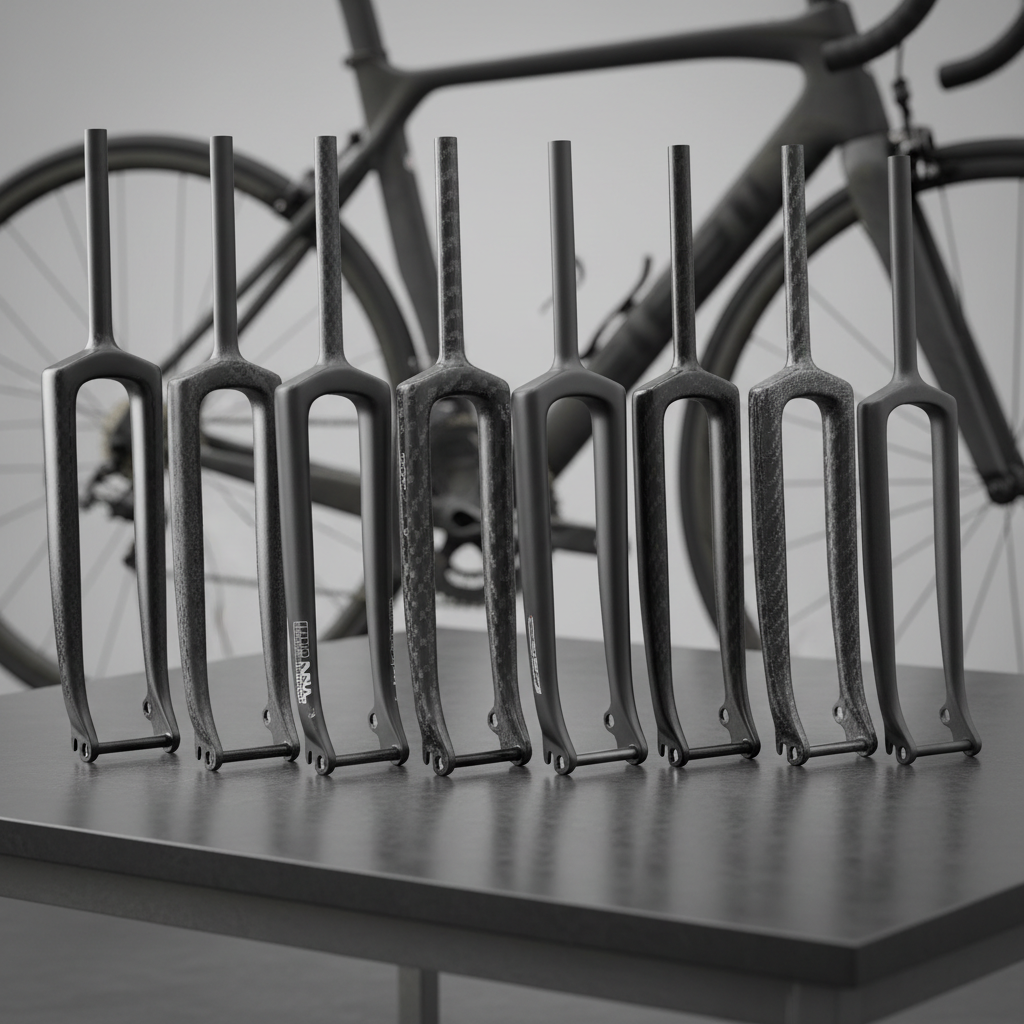
In the world of cycling, the quest for the ultimate performance often leads riders to explore the latest innovations in bike technology. One of the most significant advancements has been in the development of high-performance fork carbon options, which promise to elevate your cycling experience to unprecedented heights. Choosing the right fork carbon is essential, as it not only impacts the overall weight of the bike but also contributes to vibration dampening, responsiveness, and aerodynamics.
As cycling enthusiasts are becoming increasingly aware of the advantages that quality carbon forks present, the market has become flooded with various options. From professional racers to casual riders, selecting the best fork carbon can significantly enhance not just speed, but also comfort during long rides. In this article, we will delve into the top 10 high-performance fork carbon options available today, helping you make an informed decision that aligns with your cycling needs and style. Whether you seek robust durability or featherlight designs, understanding the features and benefits of these products can transform your cycling adventures.
Top 10 Carbon Forks: Enhancing Aerodynamics for Speedy Rides
The pursuit of speed in cycling has led to significant advancements in technology, particularly with the introduction of high-performance carbon forks. Carbon forks not only enhance aerodynamics but also provide critical weight savings. According to a 2021 study by Cycling Weekly, transitioning from traditional aluminum to carbon forks can reduce overall bike weight by up to 200 grams, leading to improved climbing efficiency and maneuverability. This weight reduction, combined with carbon's ability to dampen road vibrations, results in a smoother ride that maintains rider energy longer on long-distance journeys.
Moreover, the aerodynamic advantages of carbon forks cannot be overstated. Research published in the Journal of Sports Sciences indicates that aerodynamic drag accounts for approximately 80% of the resistance a cyclist faces at speeds above 25 km/h. High-performance carbon forks are designed to minimize this drag by optimizing fork shape and blade alignment. For example, models featuring airfoil profiles can reduce drag coefficients by up to 15% compared to traditional fork designs. This aerodynamic efficiency directly translates to faster speeds and improved performance, making carbon forks an essential upgrade for competitive cyclists looking to maximize their potential on the road.
Evaluating Weight Reduction: The Impact of Carbon Forks on Climbing Efficiency
When it comes to climbing efficiency in cycling, the choice of fork can significantly impact the overall performance of the bike. Carbon forks are renowned for their lightweight properties, allowing cyclists to ascend steep gradients with greater ease. By reducing the bike's overall weight, carbon forks not only enhance climbing speed but also improve handling, providing a more responsive ride during challenging climbs. The reduction in weight translates to less effort required to sustain higher speeds, making climbs feel less strenuous.
**Tips:** To maximize the benefits of carbon forks, pay attention to the construction quality and design. Opt for forks that provide vertical compliance to absorb shocks without sacrificing lateral stiffness, which can help maintain traction while climbing. Additionally, ensure that your bike frame is compatible with the chosen carbon fork to achieve optimal aerodynamics and weight distribution.
Another crucial factor to consider is the riding style and purpose of the bike. While carbon forks excel in reducing weight, they should be chosen based on individual needs, whether for competitive racing or casual riding. Riders looking to enhance their climbing efficiency should invest in high-performance carbon options that best suit their cycling goals. Choosing the right technology not only elevates the cycling experience but also encourages maintaining a higher cadence on those daunting climbs.
Stiffness and Compliance: Balancing Performance with Comfort in Carbon Forks
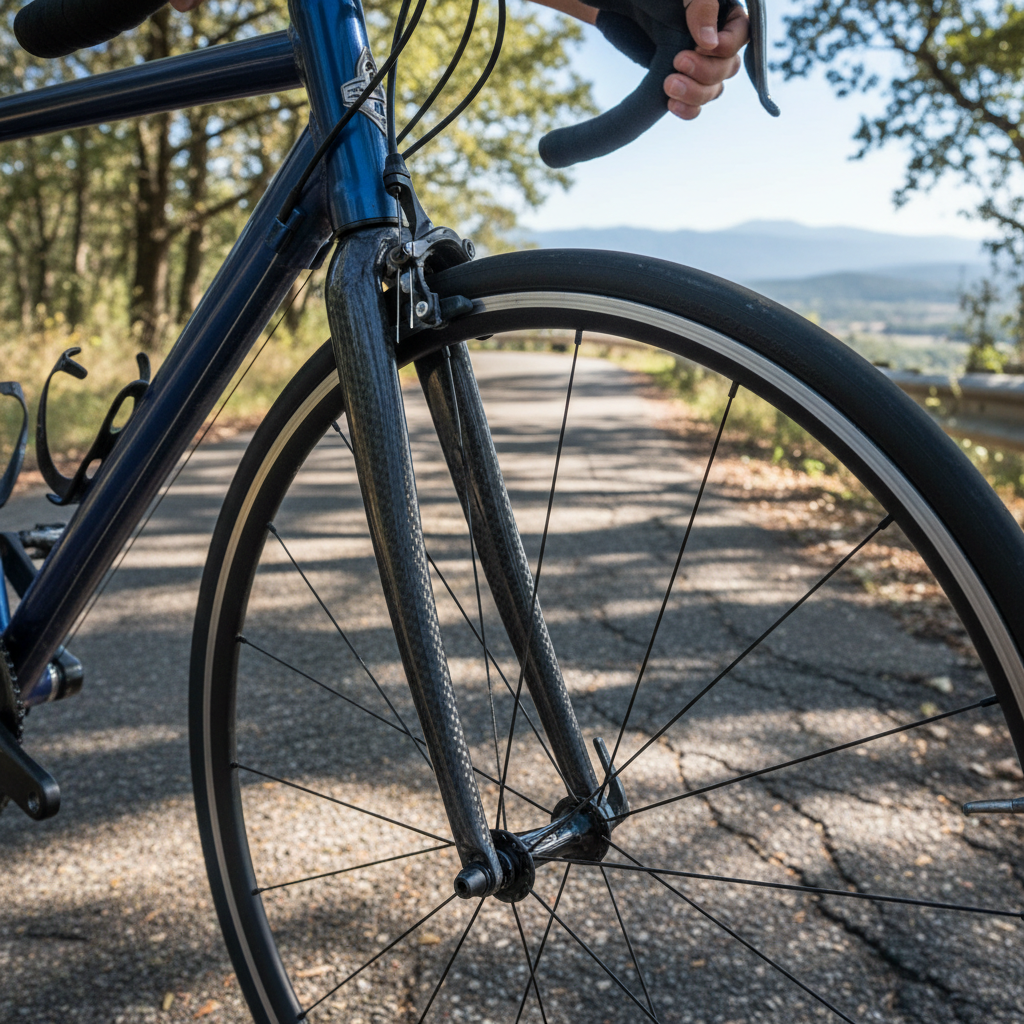
In the world of cycling, the choice of a carbon fork can significantly influence both performance and comfort. The primary challenge lies in balancing stiffness and compliance. A stiffer fork can enhance power transfer and efficiency, essential for competitive riders looking to maximize speed. However, excessive stiffness often leads to a harsh ride, translating vibrations from the road directly to the cyclist.
This is where compliance comes into play, as a fork with more flex can absorb shocks and bumps, providing a smoother and more enjoyable experience, particularly on rough terrains.
Design innovations in high-performance carbon forks focus on achieving this balance. Engineers utilize advanced materials and shapes to create forks that are not only lightweight but also possess the ideal stiffness-to-compliance ratio. By strategically placing carbon layers and using varied thicknesses, manufacturers can fine-tune the performance characteristics of their forks. Ultimately, the ideal carbon fork should combine the rigidity needed for racing with enough compliance to ensure comfort during long rides, catering to both competitive cyclists and enthusiasts alike.
Choosing the Right Geometry: How Carbon Fork Design Affects Handling and Control
When selecting a carbon fork for your bicycle, understanding the impact of geometry on handling and control is crucial. Studies show that a fork’s rake and axle-to-crown length can significantly influence steering response and stability. For instance, a fork with a shorter rake typically offers quicker steering, making it suitable for competitive cyclists who prioritize agility. In contrast, a longer rake enhances stability at high speeds, which is beneficial for endurance riders seeking comfort over extended durations. According to a report by the Cycling Engineering Consortium, riders experienced improvements in handling dynamics by up to 15% when upgrading to well-designed carbon forks, leading to better overall performance.
When choosing the right carbon fork, consider your riding style and the terrain you'll be tackling. For those who frequently navigate tight corners, opting for a fork with a more aggressive geometry can foster a more responsive feel. Conversely, if your routes are primarily straight and fast, a fork designed for stability may enhance your control.
Tips: Pay attention to the fork’s weight as well; lighter options can contribute to faster climbing and overall performance. Additionally, ensure that the fork’s design complements the rest of your bike's geometry for optimal performance. Lastly, always consult with a professional or refer to trusted cycling reports to make informed decisions about fork specifications.
Performance Comparison of High-Performance Carbon Forks
Budget vs. Performance: Analyzing Cost-Effective High-Performance Carbon Forks
When exploring the world of high-performance carbon forks, the balance between
budget and performance is a critical consideration for many cyclists.
High-quality carbon forks can significantly improve ride quality and handling,
but they often come with a hefty price tag. Budget-conscious enthusiasts might find themselves wondering whether they can achieve
a superior cycling experience without breaking the bank. Fortunately, a growing number of manufacturers are now offering cost-effective
options that deliver impressive performance without compromising on quality.
The key to identifying budget-friendly alternatives lies in understanding the design and technology behind carbon forks.
Many of these forks incorporate advanced engineering techniques, such as optimized layups
and fiber arrangements, which enhance stiffness and reduce weight while keeping production costs down. Some brands have also implemented
efficient manufacturing processes, allowing them to pass savings on to consumers.
By carefully selecting a high-performance carbon fork that strikes the right balance
between price and functionality, cyclists can elevate their rides significantly, enjoying greater responsiveness and comfort on a variety of terrains.