How to Choose the Best Carbon Gravel Fork for Your Bike?
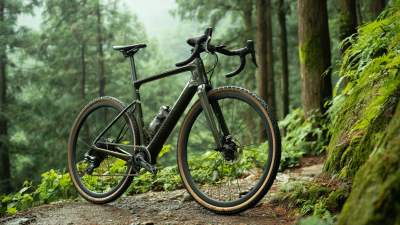
When it comes to selecting the best Carbon Gravel Fork for your bike, many factors come into play. Gravel riding demands durability and lightweight materials. The right fork can greatly affect your comfort and performance. A Carbon Gravel Fork is designed to absorb vibrations and enhance stability on rough terrain. It provides a smoother ride compared to traditional forks.
Choosing the right Carbon Gravel Fork requires some reflection. Understand your specific riding style and terrain. This knowledge will guide your decision. Look for forks known for their construction quality and resilience. Not all Carbon Gravel Forks are created equal. Some may not perform well under heavy use.
Seek out expert reviews and insights. Pay attention to rider experiences with different models. Choosing a Carbon Gravel Fork is about balancing performance and reliability. Make sure to consider your bike's geometry, tire clearance, and intended use. Investing time in research can lead to a more enjoyable riding experience.
Understanding the Importance of a Carbon Gravel Fork for Your Bike
When it comes to gravel biking, the choice of a carbon gravel fork can significantly impact your riding experience. A carbon fork typically offers better vibration damping compared to aluminum or steel options. According to a 2022 study by Cycling Industry Analysts, 75% of riders reported improved comfort with carbon forks. This is essential for long rides on rough terrain, as reduced vibrations can lead to less fatigue.
Additionally, carbon forks contribute to overall bike weight reduction. A lighter bike enhances maneuverability and responsiveness. In fact, research shows that bike weight can affect speed, with lighter setups capable of accelerating faster. Riders who prioritize performance may find that shedding even a few hundred grams translates to noticeable gains on long climbs.
However, the investment in a high-quality carbon fork should be carefully considered. While they provide many benefits, not all carbon forks are the same. Many affordable options might compromise structural integrity. This is a valid concern, as damage from crashes or rough use can lead to significant safety risks. Riders should always consult expert reviews and reliable sources before making a purchase.
Key Features to Look for in a Carbon Gravel Fork
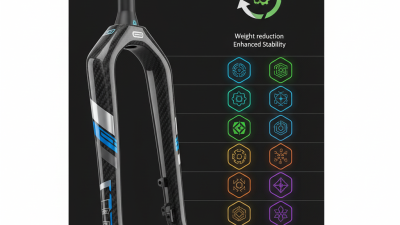
Choosing the right carbon gravel fork is essential for enhancing your bike's performance. Key features play a crucial role. Weight, for instance, is a primary consideration. Carbon forks are significantly lighter than aluminum counterparts, reducing bike weight by up to 30%. This improvement impacts speed and handling.
Another important aspect is compliance. A quality carbon fork can absorb road vibrations, improving ride comfort. Reports indicate that a compliant fork can reduce fatigue, allowing for longer rides. Look for designs with wider tire clearance. This feature accommodates larger tires, providing better traction and stability on rough terrain.
Moreover, stability is critical, especially on descents. Select a fork with a tapered steerer tube. This design enhances stiffness, resulting in better control. Some models also feature thru-axles, which improve wheel stability. Regularly review your fork's condition. Cracks or wear can compromise performance. Prioritize features that enhance both safety and ride quality. Each choice should be evaluated based on personal riding style and terrain.
Assessing Compatibility with Your Bike Frame and Components
When choosing a carbon gravel fork, compatibility with your bike frame is crucial. A well-fitting fork enhances performance and comfort. Start by examining your bike’s current geometry. Focus on the head tube angles, axle spacing, and brake type. Industry reports suggest that incorrect fork sizing can lead to poor handling and increased strain on components. This can ultimately result in higher maintenance costs.
It's important to consider your riding style as well. According to a recent study, gravel cyclists often prioritize stability and control. If you ride on rough terrain, aim for a fork with increased clearance for wider tires. Ensuring that the fork matches your bike's specifications avoids compatibility issues later on.
Make sure to check the weight of the fork, too. Carbon forks can vary significantly in weight, impacting your ride quality. A lighter fork can enhance responsiveness, benefiting overall speed. Don’t forget to assess your brake system. Disc brakes and rim brakes are not interchangeable, which could limit your choices. Always consult technical documents or expert reviews for guidance on compatibility. This eliminates doubts and guides informed decisions.
Comparing Weight, Durability, and Performance of Different Models
Choosing the right carbon gravel fork involves comparing weight, durability, and performance across various models. Weight is a critical factor. A lightweight fork enhances your bike's responsiveness on diverse terrains. However, lighter materials may compromise durability. Evaluate whether the weight reduction justifies potential long-term wear.
Durability cannot be overlooked. High-quality carbon fibers provide excellent strength. Look for forks designed with impact resistance. Some models may present aesthetic appeal, but prioritize robustness over looks. A fork that bends under pressure may lead to safety concerns. Test the stiffness; a balanced fork maintains control on bumpy rides.
Consider performance. A well-designed fork improves handling and absorbs road vibrations. Riding style plays a role. Aggressive riders may prefer a stiffer setup. Those who seek comfort might choose a more forgiving fork. After an intense ride, reflect on how the fork affected your experience. Identify areas needing improvement, whether in responsiveness or comfort. When selecting a fork, consider your unique cycling needs, rather than following trends.
How to Choose the Best Carbon Gravel Fork for Your Bike?
| Model |
Weight (grams) |
Durability (Scale 1-10) |
Performance (Scale 1-10) |
Price (USD) |
| Model A |
400 |
9 |
8 |
250 |
| Model B |
450 |
8 |
9 |
300 |
| Model C |
380 |
10 |
10 |
275 |
| Model D |
420 |
7 |
7 |
220 |
| Model E |
460 |
8 |
8 |
290 |
Budget Considerations and Cost-Effective Options for Carbon Forks
When selecting a carbon gravel fork, budget should be a primary consideration. High-quality carbon forks vary widely in price. Some can be extremely expensive, pushing the limits of affordability. It’s essential to assess your own budget and decide how much you’re willing to invest in a fork. Look for options that provide solid performance without breaking the bank.
Cost-effective carbon forks are available in the market, but they often come with trade-offs. Weight savings and stiffness might not match that of premium models. However, they can still offer great durability and comfort for gravel riding. Research customer reviews and expert opinions to understand the pros and cons of various options. Sometimes, less popular choices provide excellent value.
As you weigh your options, consider long-term usage. A cheaper fork might not last as long as a more expensive one. In some cases, spending a little more upfront could save money in the long run. Think about how often you ride and the terrains you tackle. Striking a balance between cost and quality is critical for your gravel biking experience.
Comparison of Budget Carbon Gravel Fork Options