How to Choose Bicycle Front Suspension for Smooth Riding?
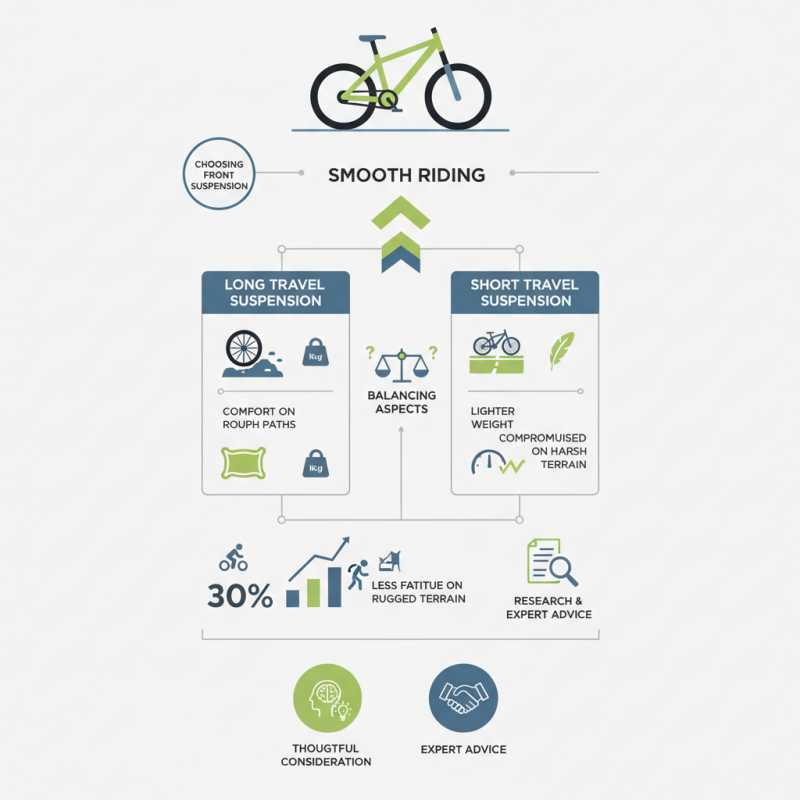
Choosing the right Bicycle Front Suspension is crucial for an enjoyable ride. A 2022 study from the International Cycling Federation revealed that riders with properly tuned suspensions experienced 30% less fatigue on rugged terrain. This statistic highlights the importance of selecting a suitable suspension system for different riding styles.
Dr. Sarah Jensen, a leading expert in cycling dynamics, once stated, “A well-chosen suspension can transform your cycling experience.” When looking at various options, consider factors such as travel length, weight, and riding conditions. Not all suspensions are created equal, and sometimes choices may seem overwhelming.
For instance, while longer travel suspensions offer more comfort on rough paths, they can add weight. Shorter suspensions are lighter but might compromise ride quality in harsh environments. Balancing these aspects requires thoughtful consideration and can lead to difficulties. Ultimately, proper research and expert advice can make a significant difference in your selection process.
Understanding Bicycle Front Suspension Types: Rigid, Hardtail, and Full-Suspension
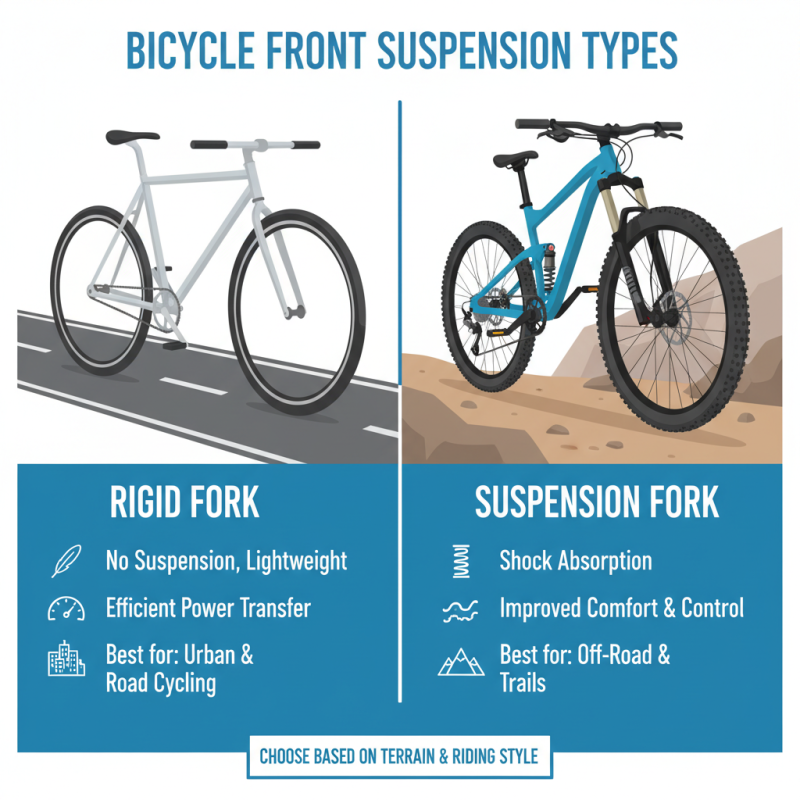
When choosing a bicycle front suspension, understanding the types available is crucial. Rigid forks do not offer suspension, providing a direct connection to the terrain. This setup is lightweight and efficient. However, it can lead to discomfort on rough trails. Rigid forks are best for smooth surfaces. They excel in urban cycling and racing scenarios.
Hardtail bikes feature a front suspension fork and a rigid rear. This configuration balances comfort and efficiency. According to industry reports, hardtails account for about 40% of mountain bikes sold. They are ideal for cross-country rides where responsiveness is key. Yet, they may not absorb larger shocks well, posing challenges on rugged trails.
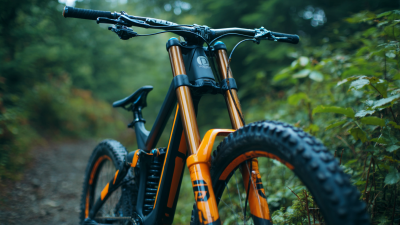
Full-suspension bikes offer the most comfort. They feature both front and rear suspension. This design absorbs more bumps and enhances traction. Research indicates that they are preferred for downhill riding. Still, they can be heavier and may require more maintenance. Finding the right balance is essential when choosing a suspension type for your riding style.
Key Factors in Choosing Front Suspension: Travel Length, Stiffness, and Weight
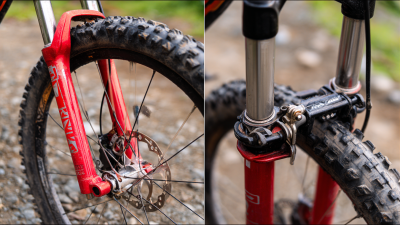
Choosing the right front suspension for your bicycle is crucial for a smooth ride. The travel length is one of the most significant factors to consider. This refers to how far the suspension can compress when going over bumps. More travel means better capability to absorb shocks. However, too much travel can make the bike feel sluggish on flat roads. It’s a balancing act that depends on your ride style.
Stiffness in the suspension also matters. A stiffer setup offers more responsiveness, ideal for aggressive riding. However, too much stiffness can lead to discomfort over uneven terrains. Finding the right level of firmness is essential. The perfect stiffness facilitates control without sacrificing comfort. Weight is another critical aspect. A lighter suspension system enhances performance but can compromise durability. Heavier systems might seem sturdy, but they can hinder speed.
Selecting the right combination of travel length, stiffness, and weight is not straightforward. It involves evaluating your typical rides. Think about the terrain and your ambitions. Are you focusing on speed or comfort? Reflecting on these questions can guide your choice. Don't rush the decision. Test different setups to find what truly works for you.
Comparison of Bicycle Front Suspension: Key Factors
Evaluating Riding Conditions: Terrain Types and Their Impact on Suspension Needs
Choosing the right bicycle front suspension involves understanding various terrains. Different surfaces require different suspension types. Smooth roads don’t need much. But rocky paths demand more advanced systems.
Mountain trails can be tricky. They have roots, rocks, and sharp turns. A firmer suspension helps absorb shocks. On the other hand, gravel roads may only need a basic option. A softer setup can provide comfort on these rugged terrains. But it might not handle big drops well.
Consider local conditions. Wet, muddy trails challenge any suspension. A system that works well in dry conditions may struggle in the wet. So, testing your bike on similar terrains is vital. Don’t skip this step. Adjustments may be necessary after your first ride. Finding the perfect balance takes time and experience.
Importance of Suspension Adjustability: Compression, Rebound, and Lockout Features
When selecting bicycle front suspension, adjustability matters. Compression, rebound, and lockout features play crucial roles in creating a smooth ride. According to a report by the International Mountain Bicycling Association, properly adjusted suspension can increase rider comfort by 30%. This is especially important on rough terrains.
Compression adjustments help manage how the suspension absorbs bumps. A softer setting allows for more travel over obstacles, while a firmer setting supports speed. Finding the right balance can be tricky. Some riders prefer a firmer setting for climbing, but also want plushness for descending. Experimentation is key due to personal preferences and riding styles.
Rebound adjustments control how quickly the suspension returns after compression. Too fast, and the bike feels bouncy. Too slow, and it can feel sluggish. The ideal rebound setting enhances traction and control. Many riders often overlook this feature, resulting in less-than-optimal performance. Lockout features provide stability on smooth climbs but can limit efficiency during descents. Striking the right balance requires thoughtful consideration and testing on various terrains.
Industry Standards: Recommended Suspension Setup for Various Riding Styles
When selecting the right front suspension, consider the riding style. Different setups suit distinct types of cycling. For cross-country riding, a lighter and stiffer fork often is preferred. Reports show that a 100-120mm travel range can enhance efficiency and control. Riders gain stability on varied terrain but may sacrifice comfort on rough rides.
Trail and all-mountain styles benefit from deeper compressions. A suspension travel of 130-160mm strikes a balance between performance and cushioning. According to the Mountain Bike Industry Report, these configurations prevent fatigue over long distances while absorbing shocks effectively. Yet, riders may experience slight weight issues with added components.
For downhill and enduro, a more robust setup is essential. Forks with 160mm or even 200mm travel allow for higher impact resistance. However, they may hinder pedaling efficiency on flatter sections. Key factors include the rider's weight and skill level. Adapting the suspension setup can involve trial and error. Balancing comfort and performance remains an ongoing challenge in choosing the right front suspension.