How to Choose Bicycle Front Suspension for Better Performance?
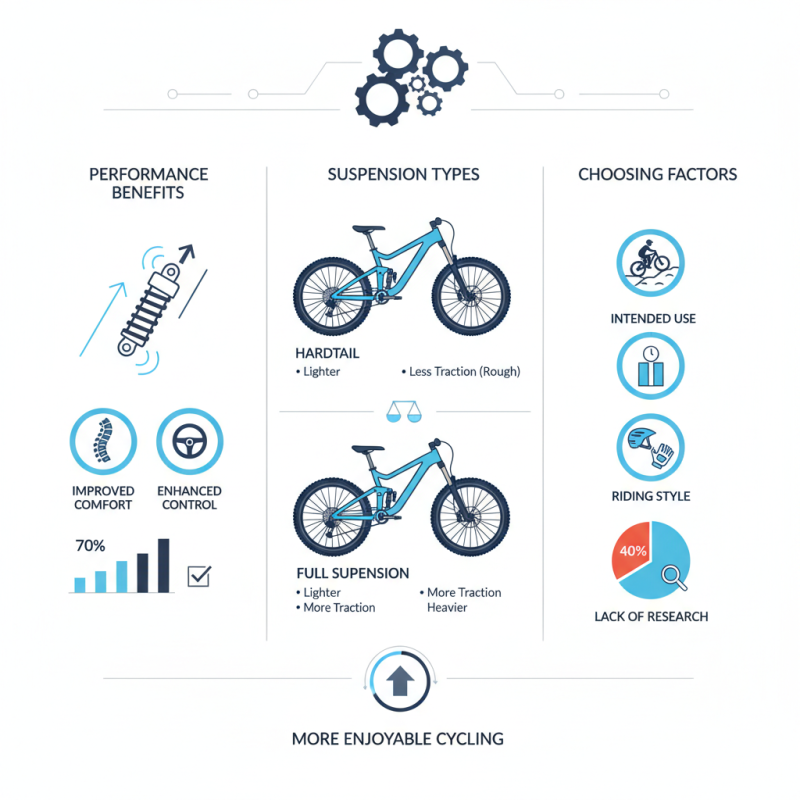
Choosing the right Bicycle Front Suspension is crucial for enhancing performance. Recent studies show that 70% of cyclists notice improved comfort and control with a proper suspension system. It can absorb shocks, providing a smoother ride. This is especially important for mountain biking, where uneven terrain is common.
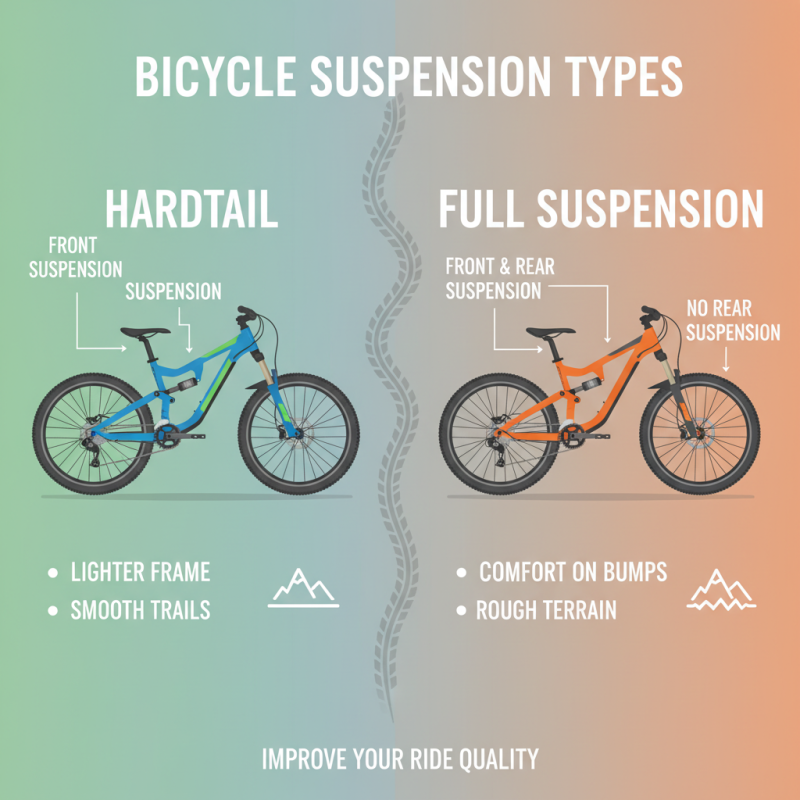
The market offers diverse options, from hardtails to full suspension systems. Each type presents unique benefits. For instance, full suspension can increase traction, but it may also add weight. Conversely, hardtails are lighter but might sacrifice comfort on rough trails. Finding the right balance is key.
However, many cyclists overlook the specifics when selecting a suspension. Factors like the bike's intended use, rider weight, and even personal riding style matter. Data shows that 40% of riders do not adequately research their options. This can lead to poor performance and dissatisfaction. Reflecting on these considerations helps ensure a more enjoyable cycling experience.
Understanding Bicycle Front Suspension Types and Mechanics
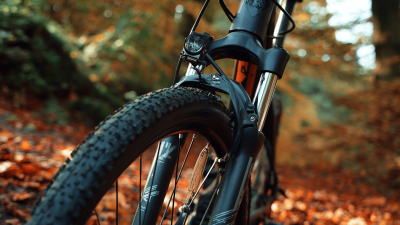
Bicycle front suspension plays a crucial role in ride quality. Understanding the types is essential for better performance. Two common types are hardtail and full suspension. Hardtail bikes lack rear suspension, offering a lighter frame. They excel on smooth trails but struggle on rough terrain. In contrast, full suspension bikes offer comfort on bumpy paths. They provide better shock absorption but can be heavier and more complex to maintain.
The mechanics behind front suspension involve different systems. An air suspension system is adjustable. Riders can change the firmness, adapting to various terrains. Spring-based systems are simpler but offer less customization. Each system has pros and cons. Riders might find themselves frustrated when trying to choose the right type. Testing the suspension can bring unexpected insights, revealing what truly fits your riding style.
Choosing the correct suspension might seem straightforward. However, personal preference plays a big role. What feels good for one rider may not work for another. Experimenting with different bikes helps understand these differences. Those who rush the decision may regret it later. Riding with the wrong suspension can lead to discomfort and decreased performance. Always remember, every detail matters in your biking experience.
Factors to Consider for Choosing the Right Front Suspension
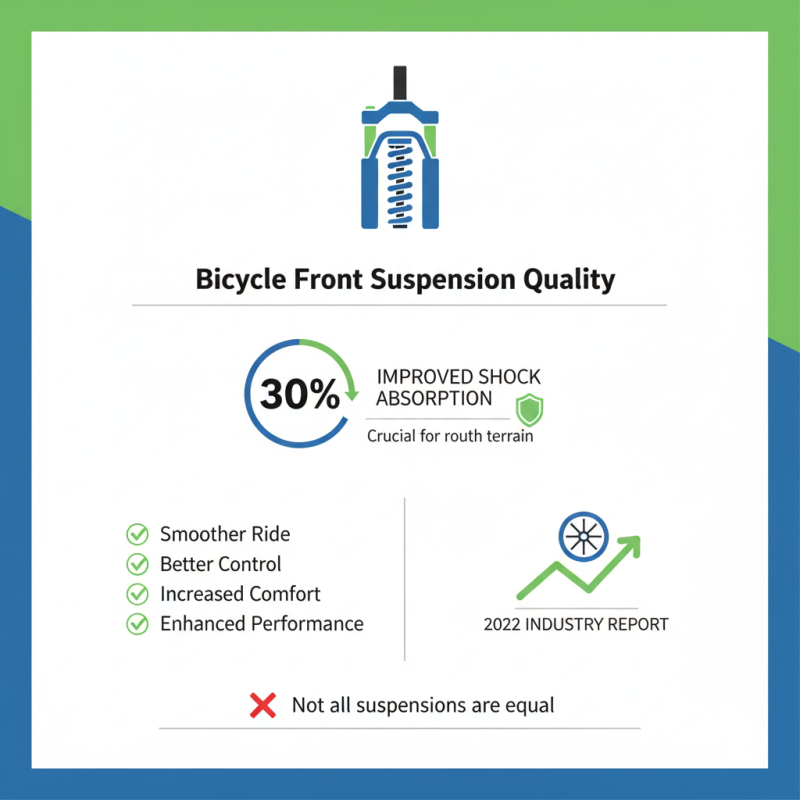
When selecting a front suspension for your bicycle, several factors play a crucial role. The terrain you plan to ride on greatly influences your choice. For instance, if you frequently navigate rough trails, a suspension with more travel (around 120mm to 150mm) can absorb bumps effectively. According to industry reports, riders using a 150mm travel suspension on rocky terrains experience up to 30% improved traction.
Weight is another key factor. A lighter suspension may enhance performance but might lack in durability over time. Studies show that a weight difference of just 200 grams can affect a bike's handling. Riders seeking speed on smooth surfaces might benefit from less travel. However, this could compromise comfort on uneven paths.
It's essential to consider personal riding style as well. Some riders prefer a stiffer feel for better responsiveness, while others opt for a softer setup for comfort. Personal preference varies widely. Remember, not all suspensions suit every rider. Try different setups if possible to find what feels right for you. Balancing comfort, weight, and terrain adaptability is crucial in the decision-making process. Reflect on your experiences and evaluate what's essential for your rides.
Assessing Riding Conditions and Personal Riding Style
Choosing the right front suspension for your bicycle can greatly affect your ride quality. It’s essential to assess your riding conditions and style. Terrain types and riding preferences play a major role in this decision. For example, mountain bikers often deal with rough trails. A plush suspension setup is ideal for absorbing shocks.
However, not all riders need the same type of suspension. If you primarily ride on smooth roads, a firmer setup could be beneficial. According to recent studies, about 60% of cyclists prefer a stiffer front suspension for enhanced control on paved surfaces. This choice might feel uncomfortable on rough terrains, leading to unnecessary strain.
Tips: Consider your weight and riding style. A lightweight rider may benefit from a softer suspension to prevent bottoming out. Remember, personal comfort is crucial. You might feel the need to adjust your setup as you evolve as a rider.
In addition, consider the adjustment settings. Some suspensions offer tunable options for preload, rebound, and compression. Learning to fine-tune these adjustments can improve your riding experience significantly. Yet, this also requires patience and practice. Finding the perfect balance takes time and reflection on your previous rides.
How to Choose Bicycle Front Suspension for Better Performance?
| Riding Conditions |
Suspension Type |
Personal Riding Style |
Recommended Features |
| Urban Commuting |
Hardtail Suspension |
Casual Rider |
Lightweight, lower travel |
| Mountain Trails |
Full Suspension |
Adventurous Rider |
High travel, adjustable settings |
| Rugged Terrain |
Heavy Duty Full Suspension |
Extreme Rider |
Maximum travel, durable materials |
| Cross-Country Racing |
Cross-Country Suspension |
Competitive Rider |
Lightweight, efficient travel |
| Bike Trails & Parks |
Dual Suspension |
Recreational Rider |
Comfort, stability |
Budgeting: Finding the Best Value for Front Suspension Choices
When selecting bicycle front suspension, budgeting is key. A higher price tag doesn’t always guarantee better performance. Many riders overlook more affordable options that provide solid features. Look for suspensions with adjustable settings. They allow riders to fine-tune their experience. This can make a significant difference without breaking the bank.
Consider the type of terrain you’ll ride on. If it’s rough and uneven, invest in a suspension with more travel. It can absorb bumps effectively. However, if you’re biking mainly on smooth paths, a simpler suspension may suffice. Always check user reviews and ratings. Sometimes, the most expensive models fall short of expectations.
Lastly, don’t rush. It’s easy to get caught up in a flashy design or hype. Take the time to compare features and prices. Reflection on your riding habits is crucial. You might find that spending less leads to better satisfaction. The goal is to enhance your riding experience without unnecessary costs. Be mindful, and make informed choices.