Why Choose a 26 Inch Mountain Bike Fork for Your Needs?
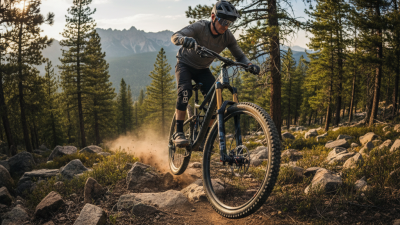
When considering a mountain bike, the choice of a fork can significantly influence your riding experience. Renowned mountain biking expert, David Thompson, emphasizes this point by stating, "A 26 Inch Mountain Bike Fork can define your bike's agility and responsiveness on tough trails." Many enthusiasts will agree that a fork impacts stability and control.
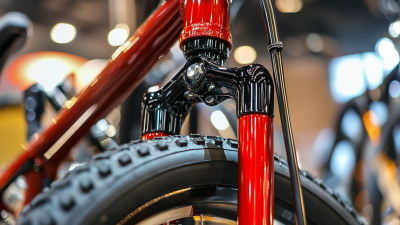
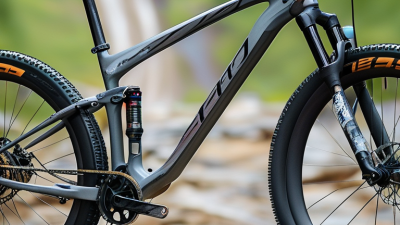
The 26 Inch Mountain Bike Fork is known for its balance of durability and performance. This size strikes a good compromise, allowing riders to navigate various terrains seamlessly. The fork contributes to a bike’s overall handling, especially when tackling steep descents or rocky paths.
The importance of a quality fork cannot be overstated. It is critical to choose one that complements your style and terrain. However, a poorly matched fork can lead to discomfort and reduced performance. Riders must reflect on their needs and carefully assess their options before deciding on a 26 Inch Mountain Bike Fork.
Understanding the Importance of Fork Size in Mountain Biking
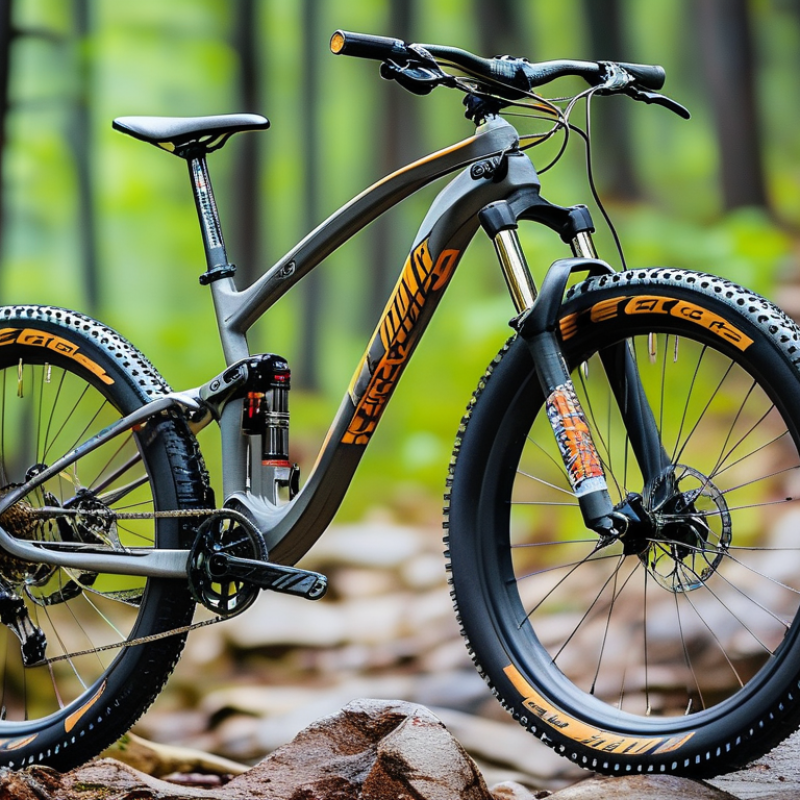
When selecting a mountain bike, fork size is crucial. A 26-inch fork offers a balance of stability and agility on rough terrains. Riders often appreciate how a smaller wheel size allows for quicker handling. This can be particularly beneficial in tight, technical sections of trails. However, each rider’s preferences can vary significantly.
Choosing the right fork involves considering your riding style. If you prefer aggressive downhill or technical climbs, a 26-inch fork might be perfect. However, this size may not be ideal for everyone. Riders seeking a smoother ride may find larger forks more suitable. It’s essential to think about what feels best for you and your conditions.
Tips: Test ride different bikes with varying fork sizes. Pay attention to how each feels during turns and descents. This simple exercise can reveal what suits you best. Also, consult with local riding communities for shared experiences. Often, insights from seasoned riders can illuminate your fork selection process. Understanding your needs is vital in making the right choice.
Why Choose a 26 Inch Mountain Bike Fork for Your Needs?
| Fork Feature |
Description |
Benefits |
| Travel Length |
The distance the fork can compress |
Enhances shock absorption on rough terrains |
| Weight |
Total weight of the fork |
Affects the overall bike weight and rider’s performance |
| Material |
Common materials include aluminum and carbon fiber |
Durability and performance on trails |
| Adjustability |
Ability to modify settings like preload and rebound |
Customization for different riding styles and conditions |
| Steerer Tube Diameter |
Size of the tube that connects to the bike frame |
Affects compatibility with bike frames |
Key Advantages of Choosing a 26 Inch Mountain Bike Fork
When considering a mountain bike fork, a 26-inch model offers unique benefits. These forks are often lighter and provide a more responsive feel. Riders find that they can maneuver better on trails. This size matches well with a variety of bike frames, making upgrades easier.
Another key advantage is the compatibility with tires. A 26-inch fork supports a range of tire sizes, ensuring better traction and control. Whether tackling rocky paths or smooth singletracks, the fork plays a crucial role. Riders appreciate how this size can enhance performance, particularly in technical terrain.
However, not everyone finds the 26-inch option ideal. Some cyclists may prefer larger wheels due to their rolling capabilities. This preference highlights a need for personal assessment. Evaluating riding style and terrain can offer clarity. Ultimately, the right choice hinges on individual preferences and riding goals.
Comparing 26 Inch Forks to Other Common Sizes
When considering a 26-inch mountain bike fork, it’s essential to compare it with other common sizes, like 27.5 and 29 inches. The 26-inch fork is often favored for its responsiveness. Riders who prefer agility will appreciate how easy it is to maneuver. This size allows for quick turns, making it suitable for technical trails.
However, larger sizes provide better rolling resistance. A 27.5-inch fork can tackle rough terrain with more stability. For those who prioritize speed over agility, a 29-inch fork is often the better choice. It rolls over obstacles efficiently. Yet, the trade-off can be a less responsive feel in tight spots.
Tips: When choosing a fork, consider your riding style. If you love aggressive trails, a 26-inch may suit you best. Try balancing agility with comfort—test different sizes during short rides. Don’t overlook the fork's travel, which impacts shock absorption. Each size comes with pros and cons; understanding them makes a difference.
Why Choose a 26 Inch Mountain Bike Fork for Your Needs?
Factors to Consider When Selecting a Mountain Bike Fork
When selecting a mountain bike fork, several factors are crucial. The right fork enhances your ride quality. Consider the terrain you'll be tackling. If you frequent rocky trails, a sturdy and well-cushioned fork is essential. On smoother paths, a lighter option can improve speed.
The travel length matters as well. Greater travel can absorb shocks better, offering a plush ride. However, too much travel might compromise pedaling efficiency. Weight is another key point. A lighter fork can help with climbing, but durability should not be ignored.
Compatibility with your bike frame is vital. Ensure the fork fits perfectly to avoid issues like misalignment. Finally, think about your riding style. Are you aggressive on descents? You may need a fork designed for stability. Reflect on your preferences carefully; this choice significantly affects your overall biking experience.
Maintenance Tips for Enhancing the Longevity of Your Fork
Maintaining a 26-inch mountain bike fork is crucial for optimal performance. Regular inspection can help identify wear and tear. Check for leaks or unusual noises during rides. These signs may indicate the need for servicing. Clean the fork with a soft cloth to remove dirt and grime. This simple step can prevent corrosion.
Lubrication is vital for smooth operation. Apply suitable lubricants to the moving parts. However, be cautious not to overdo it. Excess grease can attract dirt, complicating future maintenance. Inspect the seals periodically. Worn seals can lead to reduction in performance and safety issues. Properly adjusted air pressure in the fork is also essential. Too much or too little can affect riding quality.
Consider seasonal checks depending on your riding frequency. Frequent riders may need more attention. Watch for changes in handling or responsiveness. These can signal the need for deeper maintenance or replacement. Reflecting on past experiences can guide future decisions, ensuring a reliable and enjoyable ride.