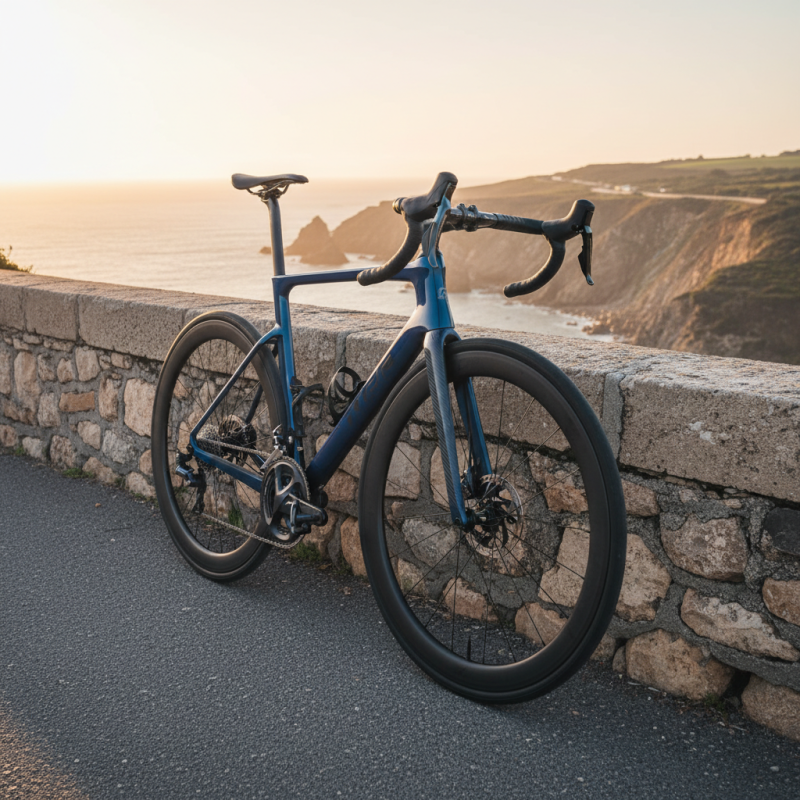
What is a Carbon Fork Road Bike and Why Choose One?
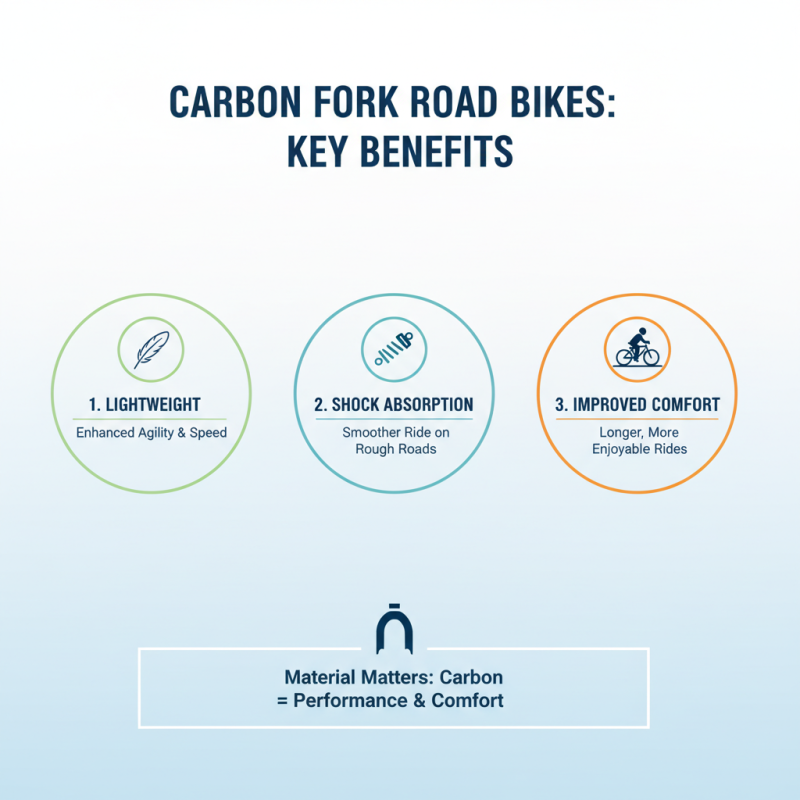
Choosing a Carbon Fork Road Bike can transform your cycling experience. These bikes are designed for performance and comfort. They feature lightweight carbon forks that absorb road vibrations, making rides smoother. Many cyclists appreciate the balance between responsiveness and stability.
However, it's essential to consider your specific needs. Not all riders may value the benefits of a carbon fork. Some might prefer traditional materials for durability. The price point of carbon bikes can also be a concern. A Carbon Fork Road Bike often carries a higher price tag.
Investing in one is a personal choice. Some riders find joy in the style and technology. Others feel overwhelmed by options. Reflect on your riding goals before deciding. A carbon fork bike could elevate your journey, or it may not suit your needs.
What is a Carbon Fork Road Bike? Understanding the Basics of Design
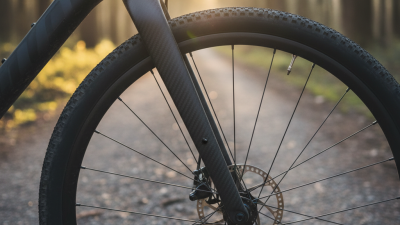
A carbon fork road bike features a front fork made from carbon fiber material. This design is popular for its lightweight properties and ability to absorb road vibrations. The result is a smoother ride, which many cyclists appreciate during long distances.
The carbon fork's construction involves layers of carbon fiber woven together. This method enhances strength while minimizing weight. As a result, these bikes can be faster and more responsive. However, potential buyers should consider the cost, which can be higher compared to traditional materials. Not everyone may find this investment justifiable.
In terms of maintenance, carbon forks require careful handling to avoid damage. Repairs can be tricky, and not all bike shops are equipped to fix them. Riders must also remain mindful of potential cracks that may not be visible. This aspect can lead to concerns over long-term durability. Though they offer distinct advantages, it’s essential to weigh them against possible drawbacks.
Key Advantages of Carbon Forks for Road Bikes: Weight and Aerodynamics
Carbon fork road bikes have gained popularity among cycling enthusiasts. One significant reason is their weight advantage. Carbon fiber is remarkably lightweight, allowing for a nimble riding experience. Every ounce counts when climbing steep hills or racing. A lighter bike means less energy spent on each pedal stroke, enhancing overall performance.
Aerodynamics play a crucial role in cycling speed. Carbon forks are often designed with sleek shapes that minimize wind resistance. This sleek design translates to more efficient rides. Riders can maintain higher speeds with less effort. Of course, such advantages come at a cost. Some cyclists wonder if the price reflects true value.
Beyond performance, comfort is essential. Carbon forks absorb vibrations, offering a smoother ride on rough terrain. However, this can lead to a lack of feedback for some riders. Finding the right balance between comfort and responsiveness is a personal journey. Enthusiasts must reflect on their riding style when choosing a carbon fork road bike. Each choice carries its own strengths and weaknesses.
Industry Data: Weight Savings and Performance Metrics of Carbon Forks
When considering a carbon fork road bike, understanding weight savings and performance metrics is essential. Industry data indicates that carbon forks can reduce bike weight significantly. For example, the average carbon fork weighs about 300 grams, whereas a traditional aluminum fork may weigh up to 500 grams. This reduction translates to better climbing efficiency and speed.
Moreover, carbon forks tend to absorb road vibrations better. Research shows that riders experience a decrease in fatigue during long rides. Fatigue reduction stems from the enhanced shock absorption capabilities of carbon fiber. A study highlighted that cyclists reported a 20% decrease in discomfort over longer distances on carbon fork bikes compared to aluminum counterparts.
However, there are drawbacks. Carbon can be more fragile in extreme conditions. A simple mishap or crash might lead to irreversible damage. Riders must handle these bikes with care, which can add to their apprehension. Additionally, carbon forks are generally more expensive, raising concerns about their long-term value. Each rider must weigh these factors against the potential performance benefits.
Weight Savings and Performance Metrics of Carbon Forks
Comparing Carbon Forks to Other Materials: Aluminum and Steel Insights
When considering a road bike, the material of the fork becomes essential. Carbon fiber forks stand out for their lightness and strength. They typically weigh around 200-300 grams, which is significantly lighter than aluminum and steel counterparts. In contrast, aluminum forks average about 500 grams, while steel forks can exceed 600 grams. This weight reduction can improve overall bike performance and agility.
Carbon forks also offer superior shock absorption. Experts note that they can reduce road vibrations by up to 30%. This is crucial for long rides where comfort is key. In comparison, aluminum forks transmit more road noise, which can lead to fatigue. Steel, while strong and durable, does not provide the same level of flexibility as carbon.
**Tip:** When choosing your bike, consider your riding style. If you prioritize speed, a carbon fork will serve you well. However, if your budget is limited, aluminum can still offer a decent balance of weight and durability.
Another aspect worth reflecting on is the repairability of materials. Aluminum and steel forks can be straightened if bent, while carbon may need complete replacement. Some cyclists might prefer the durability of steel, despite its weight. Ultimately, choosing the right fork involves weighing the benefits against potential drawbacks.
Choosing the Right Carbon Fork Road Bike: Factors and Recommendations
When choosing a carbon fork road bike, consider various factors to find the right fit. The fork material is crucial, significantly affecting weight and ride quality. Carbon forks often provide better shock absorption, leading to a smoother ride over rough terrains. Coupled with a lightweight frame, they can make long rides more enjoyable.
Another aspect to think about is geometry. A bike with a proper frame size ensures comfort and efficiency. Opt for a design that complements your riding style. Are you a sprinter or a long-distance rider? Each style requires different angles and frame shapes. Additionally, how you plan to use the bike should dictate your choice. Casual riders may prefer versatility, while racers look for speed and responsiveness.
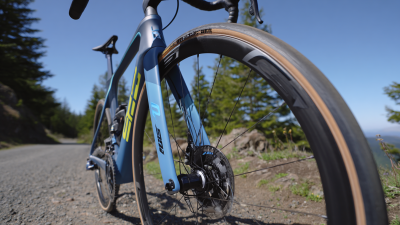
Don’t forget about wheel compatibility and brake types. Disc brakes provide more stopping power and control, especially in wet conditions. However, fork clearance for larger tires can affect your ride. Reflect on your previous experiences and challenges with bike setup. Sometimes, it's easy to overlook these details, leading to discomfort or dissatisfaction later.