Leave Your Message

What is a Bike Fork and How Does it Affect Your Ride?

A bike fork plays a crucial role in determining your ride's quality. It connects the front wheel to the frame, influencing handling and comfort. The design of a bike fork can greatly impact stability, agility, and overall performance. Different materials and shapes offer varied riding experiences.

For instance, a stiff fork may excel on smooth pavement, transferring power efficiently. On rough terrain, a more flexible fork can absorb bumps. This can make a ride much smoother. However, choosing the right bike fork is not always straightforward.

Many cyclists overlook this important component. They may prioritize style or weight over function. Understanding how a bike fork affects your ride can lead to better decisions. It’s not just about aesthetics; it’s about performance and feel. Exploring the intricacies of bike forks can enhance your cycling experience.

What is a Bike Fork and How Does it Affect Your Ride?

Understanding the Purpose of a Bike Fork in Cycling

The bike fork plays a crucial role in cycling performance and comfort. It connects the front wheel to the frame and absorbs shocks from uneven terrain. Studies indicate that a well-designed fork can improve handling by up to 20%. Its geometry affects the bike's stability and responsiveness. Slight changes in fork angle can alter a rider's experience significantly.

Material choice is also essential. Carbon forks are popular for their lightweight nature, reducing overall bike weight. However, they might lack some flexibility. Metal forks, while heavier, often offer greater durability. Riders sometimes overlook this choice, leading to discomfort during longer rides. A hard fork may result in numb hands or fatigue after a few hours on the road.

Weight distribution directly impacts ride quality. A fork too heavy can make climbing difficult. Conversely, if it’s too light, it may compromise stability at high speeds. A report highlights that 70% of cyclist complaints stem from poor fork performance. Finding the right balance is critical. Cyclists should consider their riding style to select the best fork for their needs.


Types of Bike Forks and Their Unique Features

Bike forks come in various types, each designed for specific riding styles. The most common types are rigid, suspension, and adjustable forks. Rigid forks, for instance, offer a clean and direct connection to the road, providing excellent responsiveness. They are lightweight and ideal for racing or smooth terrain. However, they lack shock absorption, which can lead to a rough ride on bumpy paths.

Suspension forks, on the other hand, excel at absorbing shocks. They come with built-in springs or air systems that cushion impacts. This type enhances comfort and control, especially on rugged trails. Yet, they can be heavier and more complex. Adjustable forks cater to those who want versatility. Riders can tweak settings based on terrain. However, adjusting them requires knowledge and can lead to confusion for beginners.

Choosing the right fork is crucial and sometimes overwhelming. An unsuitable fork can ruin a perfectly good ride. Take time to ponder your riding preferences. What type of terrain do you frequent? How much comfort do you desire? Each fork type has its strengths and weaknesses. Consider what aspects matter most to you during your rides.

How Bike Fork Geometry Influences Handling and Comfort

The geometry of a bike fork plays a crucial role in how a bike handles on various terrains. A steeper angle can lead to quicker response times, making it ideal for racing. However, this might reduce stability at high speeds. Conversely, a more relaxed angle offers greater stability but slows down steering response. Depending on your riding style, you may need to prioritize one over the other.

Tip: Always test ride before committing. Different fork geometries can significantly change how the bike feels and handles. Adjusting fork length can also impact comfort, especially on long rides. It’s worth experimenting with different setups.

Consider the type of terrain you usually ride. If you frequently encounter rough paths, a fork with more travel can absorb shocks better. But remember, too much travel might compromise efficiency. Finding that balance is key. Reflect on your personal experiences. What felt right one day may not work the next time out. Bike geometry is complex and varies from rider to rider.

Impact of Bike Fork Geometry on Ride Comfort and Handling

This bar chart illustrates how different aspects of bike fork geometry influence the overall riding experience, rated on a scale from 1 to 10. As seen, factors such as stability at high speeds and steering response significantly enhance ride quality, while comfort on rough terrain shows a lower effectiveness score.

Materials Used in Bike Forks and Their Impact on Performance

What is a Bike Fork and How Does it Affect Your Ride?

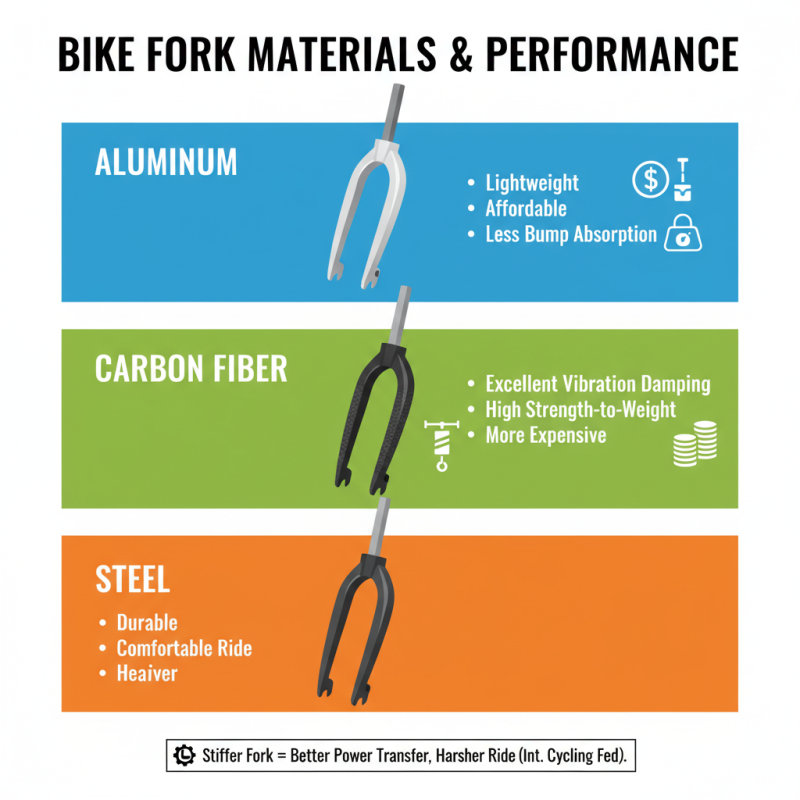
Bike forks are crucial for handling and comfort. They come in various materials, each affecting performance. Aluminum, for instance, is lightweight and affordable. However, it may not absorb bumps as well as other materials. A study from the International Cycling Federation indicates that a stiffer fork can improve power transfer, but it may also lead to a harsher ride.

Carbon fiber is another popular choice. It is strong and light, offering great shock absorption. Many riders report better comfort on long rides with carbon forks. However, they come with a higher price tag and may not withstand heavy crashes as well as aluminum. The latest market trends show that carbon forks have gained a significant user base, with a recent survey showing 65% of serious cyclists prefer them.

Steel, though often viewed as outdated, has its advantages. It provides excellent durability and smoothness. Some cyclists find that steel forks add a classic feel to their rides. However, they are heavier, which may deter performance-focused riders. In selecting a fork, cyclists must weigh these factors. Comfort, weight, and price vary significantly, making it crucial to consider personal riding style and preferences. Each material presents unique trade-offs, demanding careful thought and reflection.

Choosing the Right Bike Fork for Your Riding Style and Needs

What is a Bike Fork and How Does it Affect Your Ride?

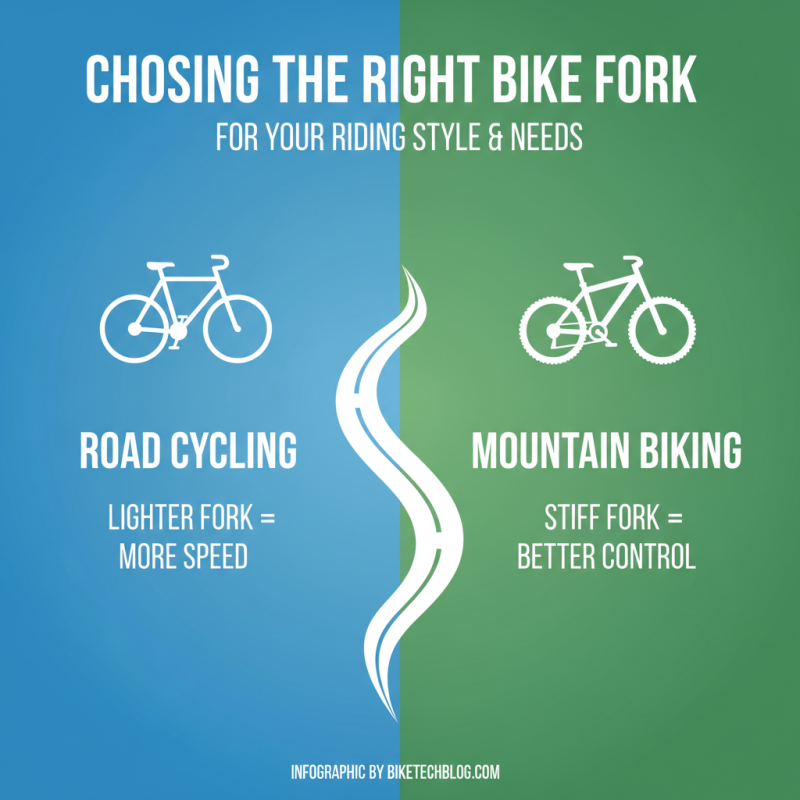
Choosing the right bike fork is crucial for your riding experience. Different styles of riding demand specific features. For example, if you enjoy road cycling, a lighter fork can improve speed. Alternatively, a stiffer fork may be better for mountain biking, offering better control on rough terrain.

Consider your personal riding style. Do you prefer smooth paths or rugged trails? Your choice in forks will make a significant impact. Take the time to test various options. Each fork can feel different under your weight and riding technique.

Don’t rush your decision. Sometimes, a popular fork may not suit your needs. Reflect on your experiences. Have you faced discomfort or poor performance in the past? Understanding what went wrong can guide you toward a more suitable choice. Keep questioning your preferences and exploring new options to elevate your ride.