What is a Bicycle Chopper Forks and How Do They Enhance Performance?
Bicycle Chopper Forks are integral components that significantly impact a motorcycle's performance. These forks create unique designs that appeal to riders seeking style and functionality. They enable better handling and stability, enhancing overall ride experience.
One aspect of Bicycle Chopper Forks is their ability to absorb shocks effectively. This feature improves comfort, especially on rough terrains. The design allows for a longer wheelbase, making rides smoother. However, the balance between style and functionality isn’t always easy to achieve. Some riders may find that aesthetic choices compromise ride quality.
Furthermore, the materials used in Bicycle Chopper Forks affect weight and durability. While lighter materials improve performance, they may reduce strength. Riders must consider these factors to ensure they select the best forks for their needs. In many cases, experimenting with different designs leads to personal preferences and unique riding experiences. Understanding these nuances cultivates better riding decisions.
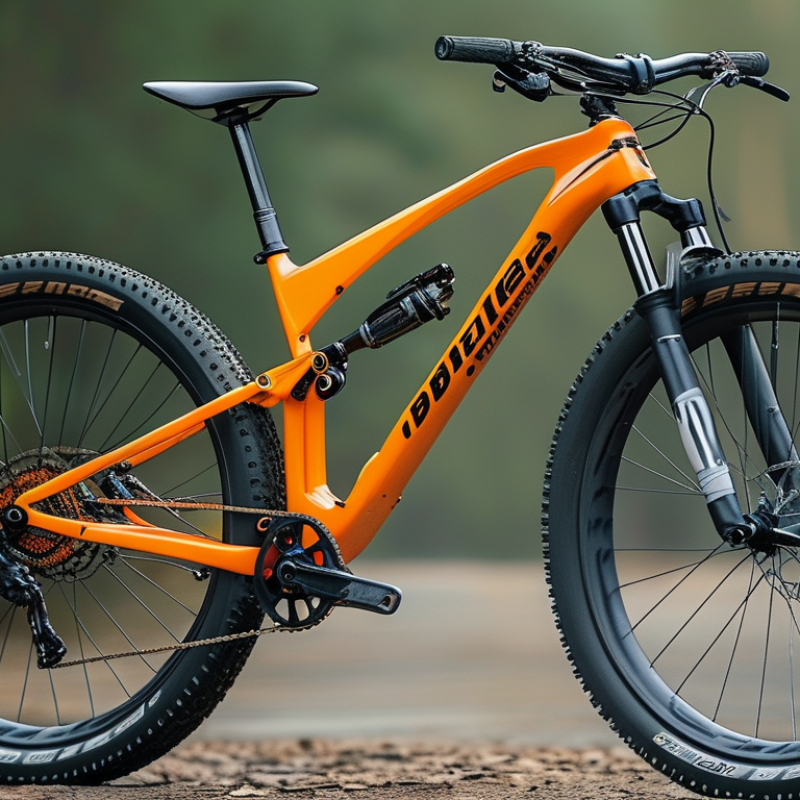
What Are Bicycle Chopper Forks?
Bicycle chopper forks are unique components designed for customized bikes. They extend the front-end, giving a distinct look while enhancing performance. Typically longer than standard forks, they allow for greater steering mechanics. This design offers improved balance and control, especially during low-speed maneuvers. Riders often notice a change in their bike's overall feel with these forks.
These forks can impact the bike’s handling significantly. The extended geometry may lead to a more relaxed ride, but it can also result in slower reaction times. Since they alter the bike's center of gravity, experienced riders may need some adjustment time. Not everyone will appreciate this shift. Customizing a bike with chopper forks is an art; it requires attention to both aesthetics and functionality.
The design of chopper forks allows for wider tire clearance, supporting various styles of riding. Riders can experiment with different tire sizes, enhancing grip and comfort. However, this versatility can lead to overthinking options. The challenge lies in balancing performance with the distinct look. In the end, every rider must consider whether the unique appearance compensates for the potential drawbacks in handling.
Historical Evolution of Chopper Forks in Bicycle Design
The design of bicycle chopper forks has a compelling history that mirrors the evolution of biking culture itself. Originating in the custom motorcycle scene, chopper forks brought a unique aesthetic to bicycle designs in the 1970s. These forks are typically longer and angled differently from traditional forks. This design changes the handling and balance, enhancing performance on smooth trails.
Using chopper forks can make your ride feel nimble. However, they may compromise stability at high speeds. It’s essential to consider your riding style. Test different fork lengths and angles to find the best match for your needs. Ride cautiously at first. Adjusting to the new balance takes time.
The visual appeal of chopper forks also cannot be overlooked. Their radical designs are eye-catching and make bikes stand out. Yet, they can inspire wannabe builders to overlook the importance of functionality. Always prioritize safety and stability. Customize mindfully, with performance in mind. Finding the right balance between aesthetics and functionality is key in any bicycle design.
Key Features and Characteristics of Chopper Forks
Chopper forks are a unique type of bicycle fork found on custom bikes. They stand out due to their extended length and distinctive design. This style changes the bike's handling and aesthetics significantly. The longer reach can give a more relaxed riding position. It also alters weight distribution, making the front end lighter and more responsive. However, this can also compromise stability at high speeds.
The key features of chopper forks include their distinctive shape and materials. Often made from sturdy aluminum or steel, they provide durability and style. Their length enables a smoother ride over rough surfaces. Some riders appreciate the enhanced look, while others find the handling awkward. The steep angles can lead to challenges in tight turns and sudden stops. Adjustment and tuning may be necessary for optimal performance.
Riders should consider their needs before choosing chopper forks. Not every cyclist will benefit from the characteristics of these forks. Some may prefer traditional designs for better maneuverability. Feedback from the community highlights the importance of personal preference in performance. Exploring various options can lead to better riding experiences and satisfaction.
Impact of Chopper Forks on Bicycle Handling and Performance
Chopper forks are a unique type of bicycle fork, often seen on custom bikes. They are longer and have a distinctive rake or angle. This design impacts the overall handling of the bicycle. A study by BikeRadar found that chopper forks can provide better stability at high speeds. However, some riders report a trade-off in quick maneuverability.
The longer wheelbase created by chopper forks affects turning radius. Cyclists may find sharper turns more challenging. Research indicates that the increased rake can lead to slower steering response. A survey from Cycling Weekly noted that many riders prefer standard forks for urban commuting. They prioritize agility over stability in dense traffic conditions.
In terms of performance, chopper forks can enhance straight-line speed. They create a unique riding experience, especially for cruiser bikes. Riders enjoy the comfortable, relaxed position. On the flip side, those seeking precision may feel less confident at lower speeds. They might need time to adjust to the different handling dynamics. This contrast in experiences highlights the personal nature of bicycle setup. Each rider has unique preferences and riding environments.
Impact of Chopper Forks on Bicycle Performance
Popular Brands and Models of Chopper Forks in Today’s Market
Chopper forks are a critical component for custom motorcycles, especially in the chopper scene. They significantly influence the bike’s handling and aesthetics. In today’s market, various brands offer innovative designs. These designs often enhance stability and precision.
Popular chopper fork models vary in style and function. Some are adjustable, allowing riders to fine-tune their bike's geometry. Others feature unique finishes, appealing to different visual tastes. Riders often seek forks that reflect their personal style. A well-chosen fork can enhance both performance and the overall look of the bike.
However, it’s essential to consider compatibility with your motorcycle. Not all forks fit every model seamlessly. Riders have shared experiences where mismatched components led to performance issues. Researching the right options can prevent such problems. Many enthusiasts recommend exploring user reviews for insights. This step is crucial for making an informed choice.