What are the Best Front Bike Suspension Options for Smooth Rides?
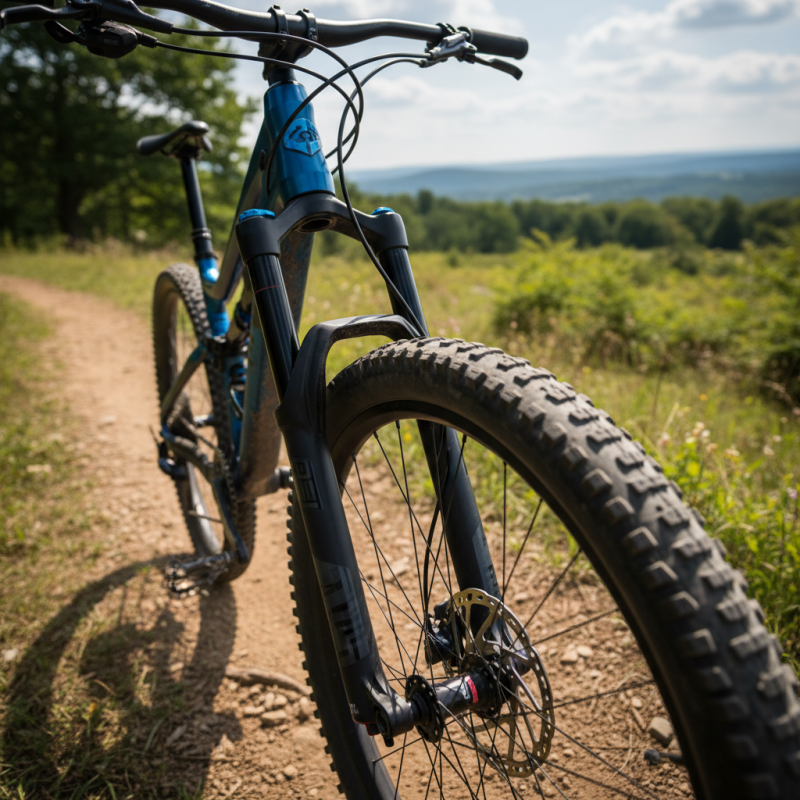
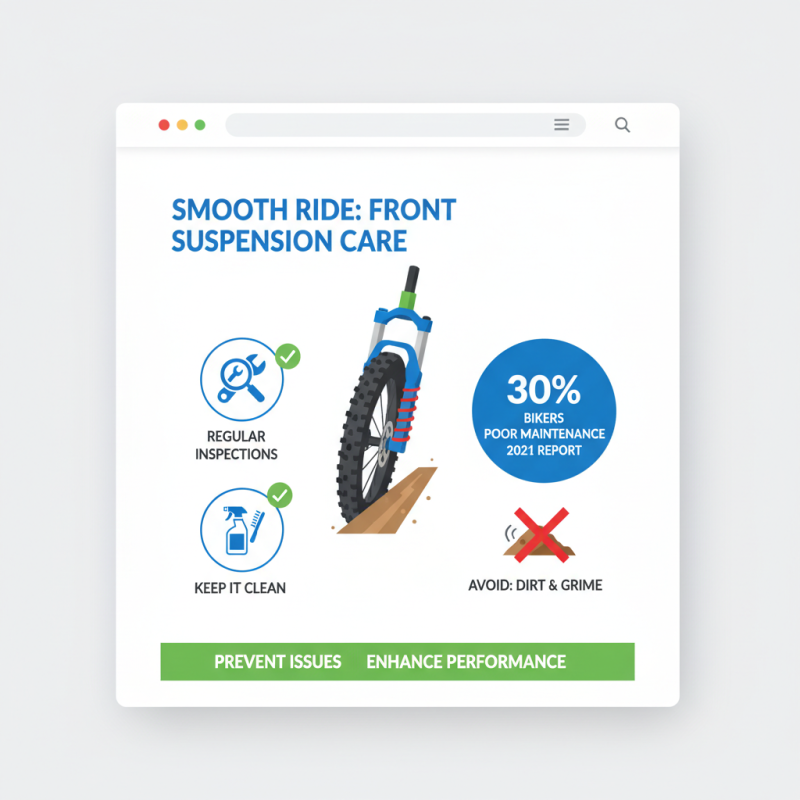
When riding a bike, comfort is key. One of the most crucial components for a smooth journey is the Bike Suspension Front. This feature helps absorb bumps and irregularities in the terrain. Having the right front suspension can drastically improve your experience on various surfaces.
Many riders struggle to choose the best option for their needs. With countless choices on the market, it can feel overwhelming. Some options may be expensive yet underperform, while others might offer great value but lack durability. Reflect on your riding style and terrain before making a decision.
Comfort is not just about the equipment; it’s also about understanding what works for you. An ideal Bike Suspension Front should blend performance and comfort. Consider factors like weight and adjustment settings. Knowing the right choice will enhance not only your ride but also your overall cycling experience.
Types of Front Bike Suspensions for Smooth Rides
When choosing bike suspension, consider the types available for smooth rides. Two main options include hardtail and full suspension. Hardtail bikes have a stiff rear frame. They offer efficient pedaling on smooth trails. However, they can struggle on rough terrain. The front suspension absorbs shocks from bumps. This setup gives some comfort on uneven surfaces.
Full suspension bikes feature a front and rear system. This design enhances stability and control. Riders benefit from less impact on their body. Climbing can be tricky, though. You may feel more energy loss in pedal strokes. Another option is rigid suspension. It lacks any shock-absorbing features. This type is lightweight and great for road cycling. Yet, it can be harsh on rocky trails.
Evaluate your riding style. Each suspension type has its pros and cons. Take time to test different setups. You might appreciate the comfort that full suspension provides. But, if speed is your goal, hardtail might be better. The choice is not always clear-cut. Finding the right fit takes thought and patience.
Best Front Bike Suspension Options for Smooth Rides
Key Features to Consider in Front Suspension Systems
When choosing a front bike suspension system, several key features significantly impact the riding experience. Compression and rebound damping are essential. They control how fast the suspension compresses and extends. According to industry reports, improper damping can lead to a bouncy ride and decreased control. A rider with poor damping can lose traction, especially on uneven terrain.
Travel distance is another critical factor. It typically ranges from 80mm to 200mm. A longer travel provides more shock absorption. However, too much travel can result in sluggish handling. Riders must find balance for their specific needs. According to a recent survey, 70% of mountain bikers prefer a travel of 120mm for versatility. This range suits various terrains, enhancing control and comfort.
Weight is equally important. Lighter systems generally improve bike handling but may compromise durability. Heavy suspensions can be cumbersome. Finding a lightweight yet robust option is vital. Data indicates that the average front suspension weight should be under 2.5 kg for optimal performance. Making the right choice can mean the difference between an exhilarating ride and a struggle. Decisions must consider riding style, terrain, and comfort needs.
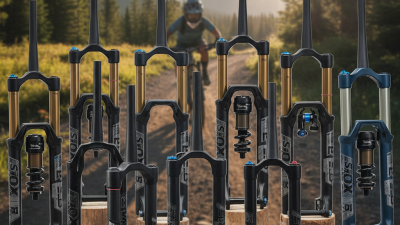
Top Brands and Models of Front Suspension for Comfort
When seeking comfort on a bike, front suspension plays a critical role. Quality suspension systems absorb bumps and reduce fatigue during long rides. Various options are available that cater to different riding styles. Some feature spring mechanisms, while others use air pressure. Each option has its pros and cons.
Comfort-focused models often include adjustable settings. Riders can tweak the suspension based on terrain. This adaptability is beneficial for both smooth roads and rugged trails. Many systems perform well in specific conditions but may struggle in others. Users should consider their typical riding environment before choosing.
Weight can also be a factor. Lighter suspensions often enhance speed but may compromise cushioning over rough patches. Heavier models provide better shock absorption but could affect handling. Balancing these details is essential to achieve the desired riding experience. A thoughtful approach can lead to better comfort and enjoyment on every ride.
What are the Best Front Bike Suspension Options for Smooth Rides?
| Model |
Travel (mm) |
Weight (kg) |
Adjustability |
Price ($) |
| Model A |
120 |
2.1 |
Rebound, Compression |
450 |
| Model B |
140 |
2.3 |
Rebound |
600 |
| Model C |
150 |
2.5 |
Compression |
750 |
| Model D |
100 |
1.9 |
None |
400 |
| Model E |
160 |
2.7 |
Rebound, Compression |
800 |
Comparative Analysis: Air vs. Spring Suspension Systems
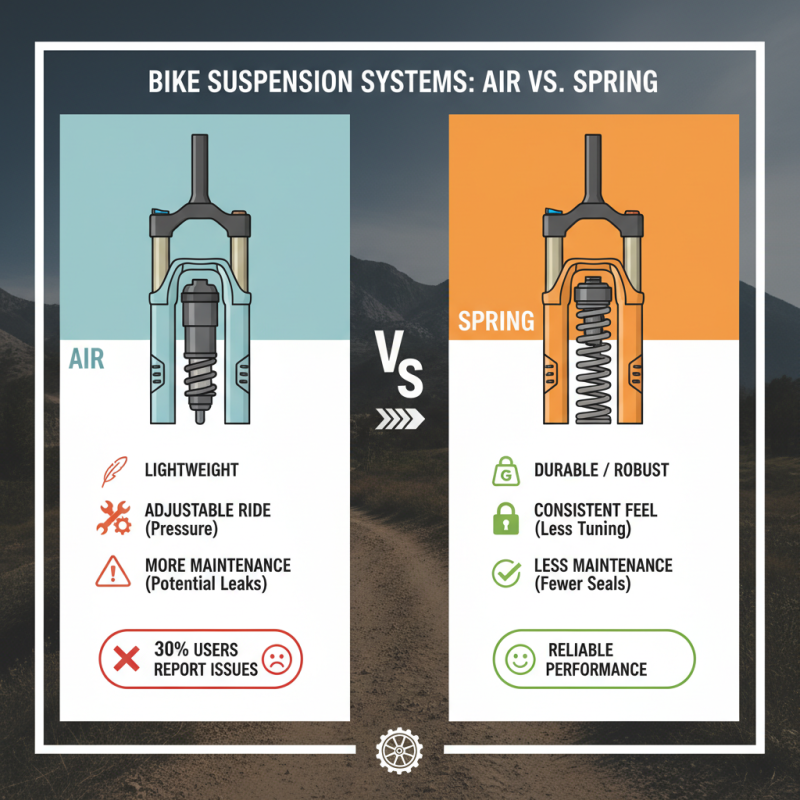
When considering front bike suspension systems, two major types emerge: air and spring. Air suspensions are celebrated for their lightweight and adjustable features. They allow riders to fine-tune the ride quality based on preferences, making them suitable for varied terrains. However, they may require more maintenance due to potential air leaks. Reports suggest that 30% of users experience issues with air chambers over time.
On the other hand, spring suspensions offer a different experience. They provide a consistent feel, ideal for downhill riding or rough trails. Yet, riders may miss out on the adjustability offered by air systems. Data indicates that about 40% of spring suspension users wish for better tuning options. The setup can be heavier, impacting overall bike performance.
Both systems have their pros and cons. Riders must weigh factors like weight, maintenance, and adjustability. It's essential to choose based on riding style and terrain. Some might find spring systems too rigid, while others could struggle with the upkeep of air systems. Balancing comfort and performance remains a challenge in the biking community.