Best Bicycle Chopper Forks for Custom Builds and Enhanced Performance
When it comes to customizing a bicycle for performance and aesthetic appeal, selecting the right components is crucial. One of the most significant elements to consider in your custom build is the choice of Bicycle Chopper Forks. These specialized forks not only enhance the look of your bike but also play a vital role in the overall handling and stability during rides. As the backbone of a chopper setup, they can drastically influence your riding experience, allowing for smoother turns and improved responsiveness.
In this guide, we will delve into the best Bicycle Chopper Forks on the market today, examining their design features, materials, and benefits. Whether you're a seasoned builder or a newcomer to the world of custom bicycles, understanding the nuances of chopper forks is essential. From traditional styles to contemporary designs, the range of options available is vast, making it easier than ever to find the perfect fit for your unique build. Join us as we explore the intricacies of Bicycle Chopper Forks and how they can elevate your custom bicycle to new heights of performance and style.
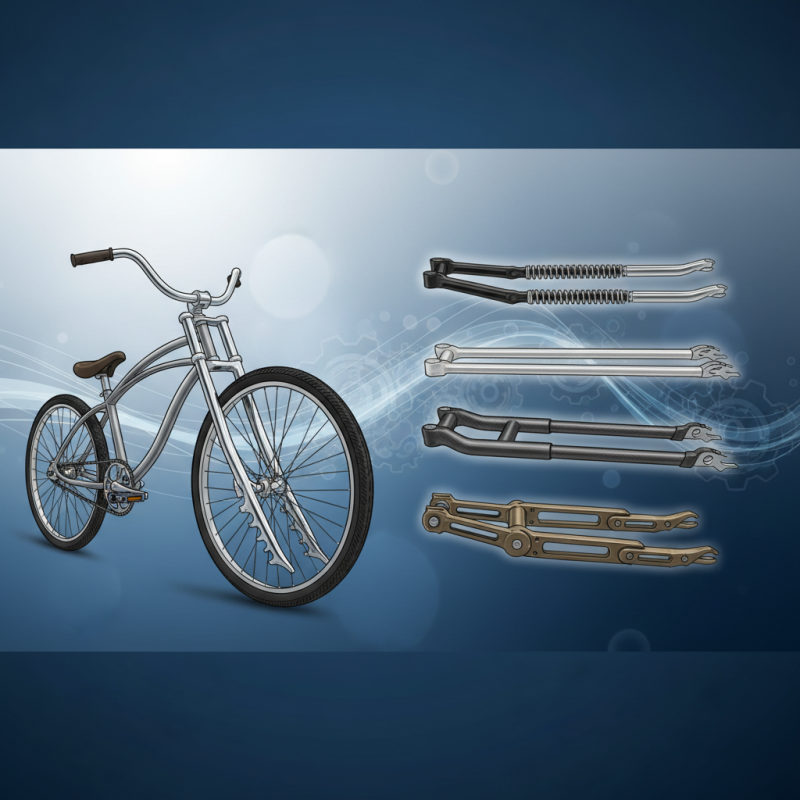
Understanding Bicycle Chopper Forks: A Comprehensive Overview
Bicycle chopper forks are distinctive components that contribute to both the aesthetic and functional aspects of custom bicycle builds. These forks are characterized by their extended length and unique design, which not only enhance visual appeal but also influence the bike's performance. They allow for a more stable ride at high speeds while providing a lower center of gravity, which is crucial for maneuverability. The geometry of chopper forks facilitates a relaxed riding position, making them ideal for cruising and long-distance rides.
Understanding the different types of chopper forks is essential for enthusiasts looking to customize their bikes. Rake and trail are critical measurements that affect handling; forks with a greater rake often provide a smoother ride, while those with less rake may offer more responsiveness in sharp turns. Additionally, material choice plays a significant role in performance; steel, aluminum, and carbon fiber each offer different benefits regarding weight, strength, and vibration dampening.
Ultimately, selecting the right chopper fork involves balancing aesthetics with practical considerations to create a bike that not only looks great but performs exceptionally on the road.
Key Features to Look for in Chopper Forks for Custom Builds
When selecting chopper forks for custom builds, several key features should be considered to enhance both performance and aesthetics. First and foremost is the material composition. High-quality materials such as steel or aluminum alloys not only provide strength and durability but also impact the overall weight of the fork. A lighter fork can improve handling and speed, while a heavier one may offer better stability on rough terrain. Additionally, the finishing process—such as powder coating or polishing—can prevent rust and enhance the visual appeal of the bike.
The geometry of the chopper forks is another crucial factor. Riders should look for specific rake and trail measurements that cater to their riding style and preferences. A fork with a longer rake can provide a more relaxed ride, while a steeper angle may enhance responsiveness during cornering. Compatibility with the bike's frame and wheel size is also essential to ensure a seamless fit and optimal performance. Finally, builders should consider the fork's design features, such as integrated fender mounts or custom axle options, to personalize their bike and improve functionality.
Best Bicycle Chopper Forks for Custom Builds and Enhanced Performance
| Fork Type |
Material |
Weight (lbs) |
Travel (inches) |
Price Range ($) |
| Springer Fork |
Steel |
5.5 |
3.0 |
150 - 250 |
| Raked Fork |
Aluminum |
4.0 |
2.5 |
100 - 200 |
| Fork with Disc Brake |
Carbon Fiber |
3.2 |
4.0 |
200 - 350 |
| Old School Chopper Fork |
Steel |
6.0 |
3.5 |
180 - 300 |
| Long Fork |
Aluminum |
4.5 |
5.0 |
120 - 220 |
Impact of Fork Design on Bicycle Performance and Handling
The design of bicycle forks plays a crucial role in both performance and handling, significantly affecting the rider's experience. According to a study published by the International Journal of Sports Engineering and Technology, the stiffness and geometry of fork design influence how a bicycle responds to different terrains and riding styles. A well-engineered fork can enhance stability and cornering precision, which are essential for competitive cycling and custom builds. For example, forks with a longer offset can provide improved stability at high speeds, while shorter offsets favor agility in tight turns.
Moreover, research from the Bicycle Institute highlights that materials used in fork construction also contribute to overall performance. Carbon fiber forks, for instance, can offer favorable weight savings without compromising stiffness, leading to a more responsive ride. Riders utilizing a combination of lightweight and aerodynamic fork designs report better acceleration and reduced drag. Data indicates that cyclists can save as much as 20 watts of energy over a 40km time trial by optimizing fork design, illustrating the crucial impact of choice in fork characteristics on the overall efficiency of the bike. Exploring these design elements is vital for enthusiasts looking to customize their builds and enhance their riding experience.
Impact of Fork Design on Bicycle Performance and Handling
Popular Materials Used in Chopper Fork Manufacturing
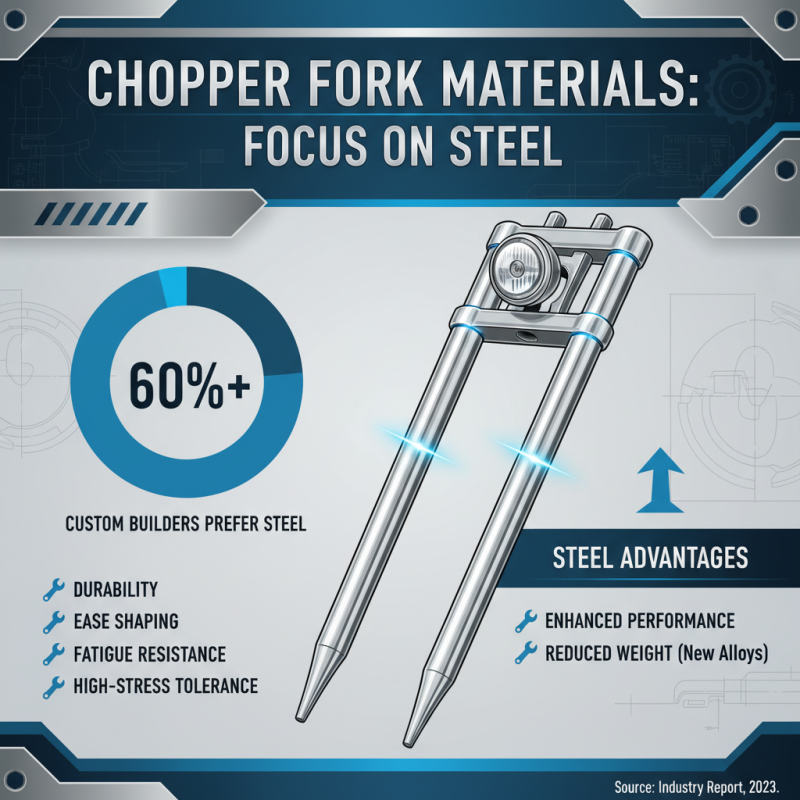
The materials used in chopper fork manufacturing significantly influence both performance and aesthetic appeal. Traditionally, steel has been a favored choice due to its durability and ease of shaping, allowing for intricate designs that characterize custom builds. According to a recent industry report, over 60% of custom chopper builders still prefer steel due to its excellent fatigue resistance and ability to withstand high-stress conditions. Additionally, advancements in high-strength steel alloys are delivering enhanced performance without adding significant weight.
Another popular material gaining traction among builders is aluminum. Its lightweight nature allows for improved handling and agility, which can be particularly beneficial in high-speed riding scenarios. An analysis by the Cycling Industry Association indicates that aluminum forks can reduce overall bike weight by up to 15%, making them an attractive option for custom builders aiming for a modern twist on classic chopper designs. Moreover, the corrosion resistance properties of aluminum extend the lifespan of forks, enabling riders to maintain their builds in various environmental conditions.
Lastly, carbon fiber is emerging as a luxurious choice in the chopper fork market. While traditionally associated with high-performance racing bikes, its increasing use in custom builds signifies a shift towards innovative designs. Expert studies highlight that carbon fiber forks can provide stiffness and shock absorption levels that surpass both steel and aluminum counterparts, which is ideal for riders seeking a smooth ride without sacrificing performance. As the market continues to evolve, understanding these materials' unique properties will be essential for builders aiming to balance traditional aesthetics with modern engineering.
Top Brands and Models for High-Performance Bicycle Chopper Forks
When it comes to customizing bicycles, the fork plays a crucial role in both aesthetics and performance.
Chopper forks, known for their extended length and distinctive design, can significantly alter the ride quality and handling of a bike.
For those looking to enhance the characteristics of their custom builds, selecting the right fork model is essential. Many high-performance chopper forks are crafted from lightweight materials, ensuring durability without compromising on agility.
Additionally, the geometry of these forks can impact the bike's steering and stability, making it important to choose a model that aligns with your riding style.
Several brands offer a variety of chopper fork designs that cater to different preferences. Look for options featuring adjustable rake angles, which allow for fine-tuning the bike’s responsiveness during maneuvers.
Also, some models include built-in mounts for accessories, such as lights or fenders, adding practicality to their eye-catching designs.
As you explore the market, consider forks that have been well-reviewed for their performance, ease of installation, and overall design versatility.
Improved performance doesn’t just rely on the fork itself; compatibility with other components, such as the frame and wheels, should also be taken into account
to ensure a cohesive setup for your custom bike.