Top 10 Best 26 Inch Mountain Bike Forks for Ultimate Performance in 2023
When it comes to enhancing your riding experience, choosing the right components for your mountain bike is essential. Among these components, the fork plays a crucial role, especially when it comes to a 26 Inch Mountain Bike Fork. In 2023, the selection of mountain bike forks has expanded significantly, providing riders with various options tailored to their specific needs and preferences. With advancements in technology and design, the best 26 Inch Mountain Bike Forks available today promise not only improved performance but also greater durability and comfort on the trails.
In this guide, we will delve into the top 10 picks for 26 Inch Mountain Bike Forks that stand out in terms of quality, performance, and value. Whether you’re an avid downhill racer or a casual trail explorer, finding the right fork can dramatically affect your bike's handling, responsiveness, and overall ride quality. As the mountain biking community continues to evolve, the forks designed for 26-inch wheels remain popular among many riders who appreciate their agility and lightweight characteristics. Join us as we explore the 2023 best offerings and what makes them a must-have for every mountain biking enthusiast.
Top Features to Look for in 26-Inch Mountain Bike Forks
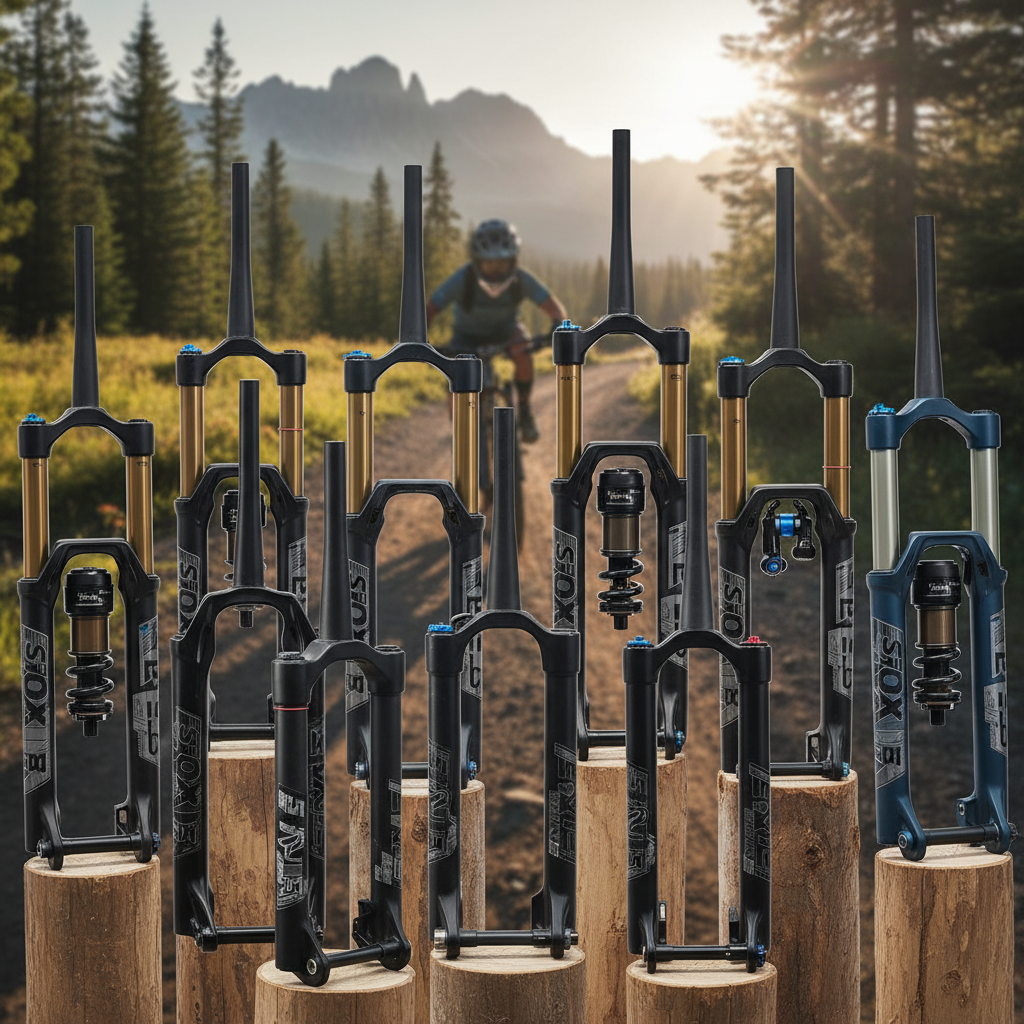
When selecting a 26-inch mountain bike fork, there are several key features to consider that can significantly impact performance. Firstly, the material of the fork plays a crucial role in weight and durability. Aluminum and carbon fiber options are popular for their lightweight properties, while steel provides robust strength but at a heavier weight. A good balance between weight and strength is essential for trail handling and overall ride quality.
Another important aspect to look for is the travel range of the fork. Mountain bike forks typically offer varying travel lengths, usually between 100mm to 150mm, depending on the type of terrain you plan to tackle. Longer travel forks are ideal for aggressive trails and rocky paths, providing better shock absorption and control over rough terrain. Additionally, adjustable damping settings are a significant feature that allows customization of performance based on the rider's weight and riding style, enhancing control and stability during descents.
Lastly, consider the axle type and the fork's compatibility with your bike frame. Thru-axles provide increased stiffness and improved handling, especially during sharp turns and rough decents. Furthermore, ensure the fork is adjustable to accommodate different wheel sizes and brake systems, ensuring it integrates seamlessly with your existing setup for optimum performance on the trail.
Top 10 Best 26 Inch Mountain Bike Forks for Ultimate Performance in 2023
| Fork Model |
Material |
Travel (mm) |
Weight (kg) |
Adjustability |
| Model A |
Aluminum |
100 |
2.5 |
Yes |
| Model B |
Steel |
120 |
3.0 |
No |
| Model C |
Carbon Fiber |
80 |
2.0 |
Yes |
| Model D |
Aluminum |
100 |
2.7 |
Yes |
| Model E |
Steel |
120 |
3.2 |
No |
| Model F |
Carbon Fiber |
100 |
2.3 |
Yes |
| Model G |
Aluminum |
110 |
2.8 |
Yes |
| Model H |
Steel |
130 |
3.4 |
No |
| Model I |
Carbon Fiber |
90 |
2.2 |
Yes |
| Model J |
Aluminum |
115 |
2.6 |
Yes |
Material Choices: The Impact of Aluminum and Carbon on Performance
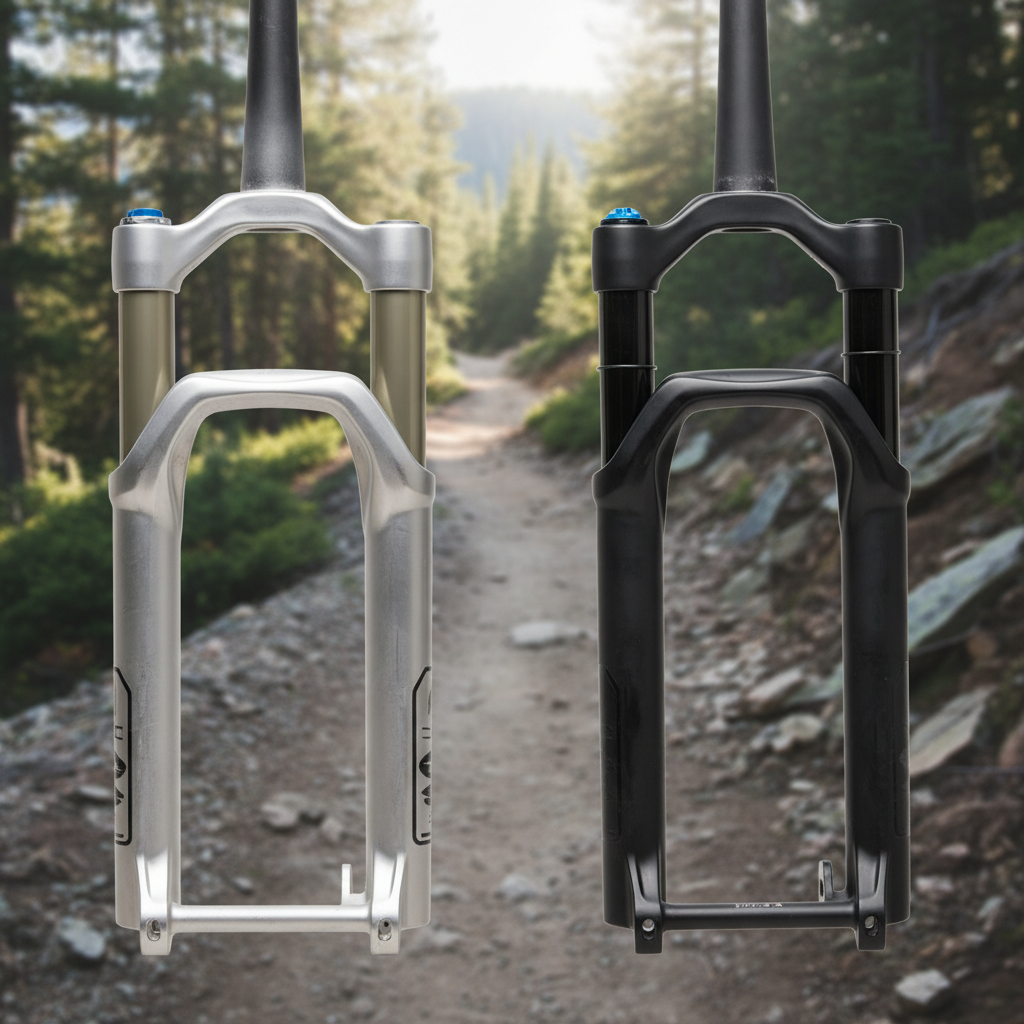
When considering mountain bike forks, the material choice plays a vital role in overall performance. Aluminum and carbon fiber are two of the most popular materials, each offering distinct advantages and disadvantages. According to a 2022 report by the International Mountain Bicycling Association (IMBA), aluminum forks are praised for their durability and cost-effectiveness, making them a favorite among entry-level riders. They provide a stiff handling response, which is crucial for technical climbs and descents. However, the downside includes a heavier weight compared to carbon fiber options.
On the other hand, carbon fiber forks have been gaining traction in the high-performance segment due to their lightweight nature and superior vibration damping capabilities. A study from Cycling Industry Journal indicates that carbon fiber can be up to 30% lighter than aluminum while providing comparable strength and stiffness. This weight savings translates to increased efficiency and maneuverability, especially in competitive racing scenarios. Additionally, carbon forks allow for more design flexibility, enabling manufacturers to create optimized aerodynamics and ride feel, ultimately enhancing the rider's experience on the trails.
Understanding Suspension Types: Hardtail vs. Full Suspension Forks
When selecting the best 26-inch mountain bike forks, understanding suspension types—hardtail and full suspension—is critical for optimizing performance. Hardtail forks, which are typically found on bikes without rear suspension, offer a more rigid structure. This design enhances power transfer during climbs and sprints, making it ideal for cross-country riders. According to a study published by the International Cycling Research Society, hardtail bikes can improve pedaling efficiency by nearly 15% compared to full suspension models on smooth terrain.
In contrast, full suspension forks, which feature both front and rear suspension systems, significantly enhance comfort and control on rugged trails. They absorb bumps and shocks, allowing riders to navigate technical descents and rocky paths with greater confidence. A report from the Mountain Bike Association indicates that bikes equipped with full suspension forks lead to a 20% reduction in rider fatigue over challenging terrains, enabling longer rides and improved overall performance. Ultimately, the choice between hardtail and full suspension forks depends on the rider's specific needs and the type of terrain they plan to tackle.
Performance Comparison: Budget Forks vs. Premium Models
When it comes to mountain biking, the fork is a critical component that influences both performance and comfort. In 2023, riders are faced with a variety of options that cater to different budgets. Budget forks can offer decent functionality for casual cyclists or those new to the sport. Typically made from heavier materials and with fewer adjustable features, these forks can still absorb bumps and handle moderate trail conditions. However, they may not deliver the same level of responsiveness or durability that more seasoned riders desire, particularly in challenging terrains.
On the other hand, premium mountain bike forks are engineered for ultimate performance. Constructed with lighter materials and advanced technologies, these forks come with multiple adjustments for damping and rebound, allowing riders to fine-tune their setup for specific trails. The enhanced performance translates into improved handling, reduced fatigue, and an overall more enjoyable ride. For serious mountain bikers looking to push their limits, investing in a premium fork can make a significant difference in their biking experience, setting them apart from those who opt for budget alternatives.
Maintenance Tips for Prolonging the Life of Your Mountain Bike Forks
To ensure your mountain bike forks last longer and perform at their best, regular maintenance is essential. Experts recommend changing the lubrication oil every 30 to 50 hours of riding. This simple task can prevent excessive wear on the fork components and make a significant difference in performance. Additionally, a comprehensive damper overhaul should be conducted at least once a year to maintain optimal shock absorption and handling characteristics.
Beyond oil changes, protecting your bike from environmental elements is crucial. If you park your bike outside, investing in a quality bike cover can shield it from rain, snow, and UV rays, which can lead to corrosion and paint fading. Moreover, using proper tools for adjustments and routine check-ups can save you from costly repairs in the future. A well-rounded bike tool kit ensures that you have everything necessary to keep your bike in prime condition, avoiding common pitfalls that can damage your drivetrain and other vital components. With these maintenance tips, riders can extend the life of their mountain bike forks while enjoying a smoother ride on the trails.
Top 10 Best 26 Inch Mountain Bike Forks Performance Comparison (2023)