Top 10 Benefits of Carbon Fork Road Bikes for Cyclists?
Cyclists are always searching for that perfect bike, and a Carbon Fork Road Bike stands out. These bikes are built with a focus on performance and comfort, making them a fantastic choice for any cyclist. The carbon fork absorbs road vibrations, providing a smoother ride. This feature enhances endurance and reduces fatigue, especially on long rides.
Moreover, the lightweight nature of carbon fiber allows for better handling and acceleration. Riders often notice a significant difference in speed and agility. Enthusiasts appreciate the sleek designs and modern aesthetics that carbon fork road bikes offer. However, potential buyers should consider their riding style and budget carefully before investing.
While there are many benefits, it is important to weigh them against personal needs. A Carbon Fork Road Bike is an exceptional choice for serious cyclists, but not every cyclist requires the same features. Reflecting on individual preferences can help in making a more informed decision. Understanding these nuances is key to choosing the right bike.
The Lightweight Advantage: Enhanced Speed and Agility
Carbon fork road bikes stand out in the cycling world, particularly due to their lightweight design. Riders immediately notice increased speed. A lighter bike means less effort to propel forward. This leads to a more thrilling experience on climbs and flat terrains alike. When you ride such a bike, every gram counts, especially during long distance rides.
The agility of carbon forks greatly enhances maneuverability. Riders can take sharper turns with confidence, allowing for a more dynamic cycling experience. Quick adjustments become easier, whether navigating busy streets or winding trails. Some cyclists, however, might struggle with the transition from heavier bikes. Adapting to the responsive feel of a carbon fork might require practice.
While these bikes offer impressive benefits, they also come with their own set of challenges. The stiffness of carbon can lead to a harsher ride on rough paths. This rigidity might not suit every cyclist’s preference. Understanding that a lighter bike does not always equal a more comfortable ride is crucial in making an informed choice.
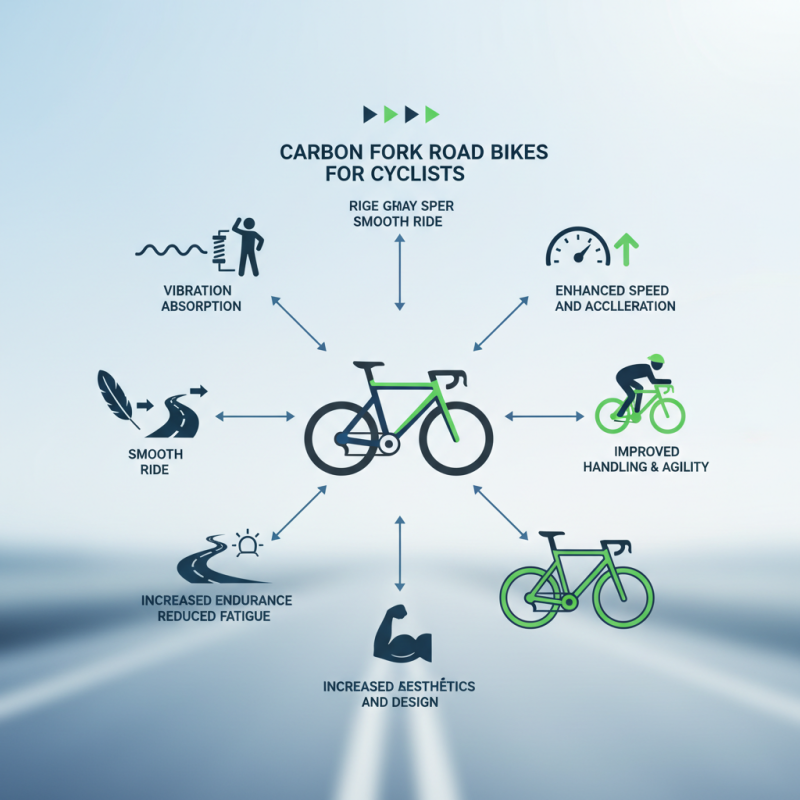
Top 10 Benefits of Carbon Fork Road Bikes for Cyclists
This chart illustrates the top 10 benefits of using carbon fork road bikes, highlighting their advantages in terms of speed, agility, comfort, and other factors that enhance the cycling experience.
Shock Absorption: Improved Comfort on Rough Terrain
When cycling over rough terrain, comfort becomes crucial. Carbon fork road bikes excel in shock absorption. This feature significantly reduces the vibrations felt by the rider. You can enjoy a smoother ride, even on bumpy roads.
The carbon material is designed to absorb shocks effectively. It works differently than traditional materials. As a result, energy isn't wasted. Instead, more energy goes into forward motion. Riders can maintain higher speeds without feeling fatigued from jolts. This benefit is especially vital on long rides or during descending.
Riders often overlook the importance of comfort. They focus on speed or aesthetics. However, discomfort can lead to reduced performance. A bike that helps you absorb shocks allows for longer rides. You can push your limits without excessive strain. This balance between comfort and performance is what many cyclists seek.
Durability and Longevity: Resistance to Wear and Tear
When it comes to cycling, durability is key. Carbon fork road bikes stand out for their robust construction. They resist wear and tear better than many traditional materials. Cyclists value this feature because it extends the bike's lifespan. A well-maintained carbon fork can endure tough terrains and harsh weather. This resistance reduces the frequency of repairs and replacements.
Another advantage is the ability to absorb shocks. Carbon forks can dampen vibrations from the road. This translates to a more comfortable ride. Cyclists may notice less fatigue during longer rides. However, not all carbon forks are created equal. Some might be more prone to cracking under extreme stress. This raises questions about quality control in manufacturing.
It's important to consider maintenance. While carbon is strong, it can suffer from impacts. Regular inspections are essential. Look for any signs of damage after a rough ride. Staying vigilant can help maintain the bike's durability. Understanding these factors can enhance the enjoyment of cycling. A carbon fork bike invites both adventure and responsibility.
Top 10 Benefits of Carbon Fork Road Bikes for Cyclists
| Benefit |
Description |
Impact on Cyclists |
| Lightweight |
Carbon forks are significantly lighter than metal forks, decreasing overall bike weight. |
Improves speed and efficiency, making it easier to climb hills. |
| Vibration Damping |
Carbon is excellent at absorbing road vibrations, providing a smoother ride. |
Reduces rider fatigue on long rides. |
| Aerodynamic Design |
Carbon forks can be crafted into more aerodynamic shapes. |
Enhances speed and performance, especially in time trials. |
| Durability |
Highly resistant to corrosion, which extends the lifespan of the forks. |
Lower replacement costs and more reliable riding experience. |
| Customization |
Carbon can be molded into various shapes and styles for specific needs. |
Allows for tailored bike designs for individual preferences. |
| Shock Resistance |
Carbon is very resilient to impact and stress, offering better shock absorption. |
Increases confidence and control on rough terrains. |
| Aesthetic Appeal |
Carbon fiber has a unique appearance and finish that many find attractive. |
Enhances the overall appeal of the bike, potentially attracting buyers. |
| Energy Efficiency |
Carbon forks help maintain energy transfer efficiency by reducing flex. |
Allows cyclists to exert less energy for faster speeds. |
| Maintenance |
Easier to clean and maintain compared to metal components. |
Saves time and effort in bike upkeep. |
| Resilience to Temperature Changes |
Carbon is less affected by temperature variations than metals. |
Better performance in varied weather conditions. |
Aerodynamic Design: Boosting Performance in Competitive Cycling
Aerodynamic design plays a crucial role in carbon fork road bikes. These bikes often feature sleek lines and reduced drag coefficients. Streamlined shapes allow riders to cut through the wind more efficiently. This contributes to faster speeds during races or long rides. The smooth integration of components minimizes air resistance, enhancing overall performance.
Riders experience a noticeable difference when using such bikes. Greater speed means less effort is required to maintain momentum. Cyclists can reach their personal bests more consistently. However, achieving these benefits may come with challenges. The lightweight frame may sacrifice some comfort on rough terrains. Therefore, it’s essential to balance speed with ride quality.
Observing aerodynamic principles can lead to better riding techniques. Cyclists may need to adjust their positions for optimal performance. A lower, more aggressive stance can further enhance speed. Some riders might find this uncomfortable or challenging to maintain. Understanding one's limits is crucial for long-term success in competitive cycling.
Customization Potential: Tailoring to Individual Riding Styles
Customization is a key advantage of carbon fork road bikes. Cyclists can tailor their rides to match individual preferences. Adjusting seat height, handlebar width, and gear ratios can significantly enhance comfort and performance.
Consider the specific terrain you ride on. If you often tackle hilly routes, gearing that suits climbing can improve your efficiency. Also, select tire options that align with your riding style—whether it's racing slicks or more durable all-weather tires.
Take your time to experiment with different setups. Don't be afraid to make small adjustments. The right fit can change your experience entirely. A bike that feels right can inspire longer, more enjoyable rides. Small tweaks lead to significant improvements over time.