2026 Best Coil Fork Reviews and Buying Guide Why Choose?
When it comes to mountain biking, a high-quality Coil Fork is crucial for performance. Studies show that nearly 70% of riders prefer Coil Forks for their smoother ride and better control over rough terrains. These forks absorb impacts effectively, enhancing stability.
Coil Forks work well under various conditions. Their design ensures consistent performance, making them popular among enthusiasts. Data reveals that riders using Coil Forks report a decrease in fatigue. This can lead to longer, more enjoyable rides.
However, not everything about Coil Forks is perfect. They can be heavier than air-sprung options. This weight might be a drawback for competitive riders aiming for speed. As you explore your options, consider all these factors. A thoughtful choice can significantly enhance your biking experience.
Overview of Coil Forks: What They Are and How They Work
Coil forks are essential components for many bicycles, especially in mountain biking. They provide a unique damping system that relies on coils to absorb shocks. This mechanism often leads to a smoother ride on rough terrains. According to industry reports, coil forks are known to excel in providing consistent performance over time. Their design allows for easy maintenance, which is a plus for riders who prefer durability and reliability.
The operation of a coil fork involves using a spring, typically made from steel, to compress and expand. As the bike encounters obstacles, the coil absorbs impact energy. This results in minimized rider fatigue and improved control. Research from cycling experts indicates that coil forks tend to perform better in more extreme conditions compared to air forks. However, they can be heavier and may not offer the same level of adjustability.
Despite their advantages, some riders find coil forks less responsive. They may not cater well to all types of terrain, particularly smoother tracks. This mismatch can lead to a feeling of disconnect during rides. It's essential for cyclists to reflect on their riding style before choosing a coil fork. While they suit many, they might not be for everyone. Evaluating your needs can lead to better riding experiences.
2026 Best Coil Forks Performance Comparison
This chart presents the performance metrics of different coil forks in 2026. Each bar represents a coil fork's performance score out of 100, providing a visual comparison of their efficiency and effectiveness for users looking to choose the best option for their cycling needs.
Key Features to Look for in the Best Coil Forks
When choosing a coil fork, it's crucial to focus on several key features. One significant aspect is the spring rate. A proper spring rate helps achieve the desired balance between comfort and performance. Getting this right can significantly impact your ride quality. If the spring rate is too stiff, it results in an uncomfortable ride. On the other hand, a spring that's too soft can cause bottoming out, leading to potential damage.
Another important feature is the adjustability of the fork. Look for options that allow you to tweak rebound and compression settings. Adjustability adds versatility to your bike. It enables riders to customize the fork performance based on terrain and riding style. Some riders overlook this, but it can make a notable difference. Sticking with fixed options may limit your riding experience.
Weight plays a critical role as well. Lighter forks enhance agility, while heavier forks may offer more stability on rough terrain. However, striking a balance is essential. A fork that is too light may sacrifice durability. Finding the perfect weight is often a process of trial and error for many. Don’t shy away from experimenting, as it can lead to discovering what suits you best.
2026 Best Coil Fork Reviews and Buying Guide - Key Features to Look for in the Best Coil Forks
| Fork Type |
Travel (mm) |
Weight (kg) |
Spring Rate (N/mm) |
Price Range ($) |
Suitable For |
| Trail |
140 |
2.2 |
45 |
300 - 400 |
All-Mountain |
| Enduro |
160 |
2.5 |
50 |
400 - 600 |
Enduro Racing |
| XC |
100 |
1.8 |
40 |
250 - 350 |
Cross-Country |
| Freeride |
180 |
3.0 |
55 |
500 - 700 |
Freeride and Park |
| Downhill |
200 |
3.5 |
60 |
600 - 800 |
Downhill |
Top Brands and Models of Coil Forks for 2026
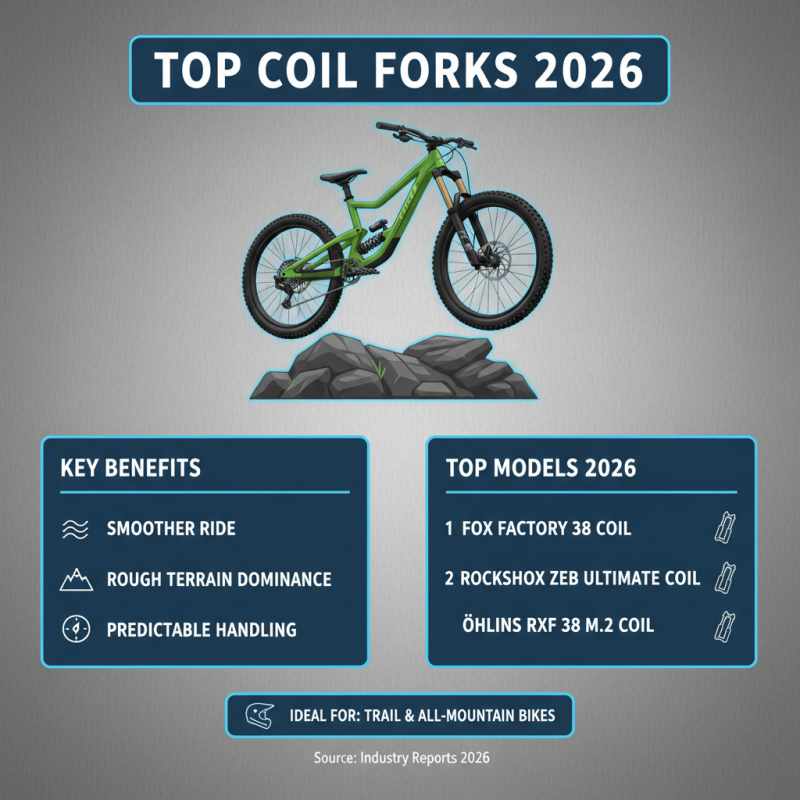
When considering coil forks for 2026, buyers have a range of options to explore. Industry reports reveal a consistent trend: coil forks excel in performance for heavy-duty use. They provide smoother rides, particularly over rough terrain. Mechanics note that the coil spring's linear compression offers predictability in handling. This reliability makes them a top choice for trail and all-mountain bikes.
Leading models this year focus on durability and adjustable settings. Features such as rebound damping and preload adjustments enhance ride comfort. Data suggests that riders who prioritize customized setups see improved overall performance. Additionally, lightweight materials are becoming more standard, yet some users find that these forks feel less robust. It's crucial to balance weight with strength, especially for aggressive riders.
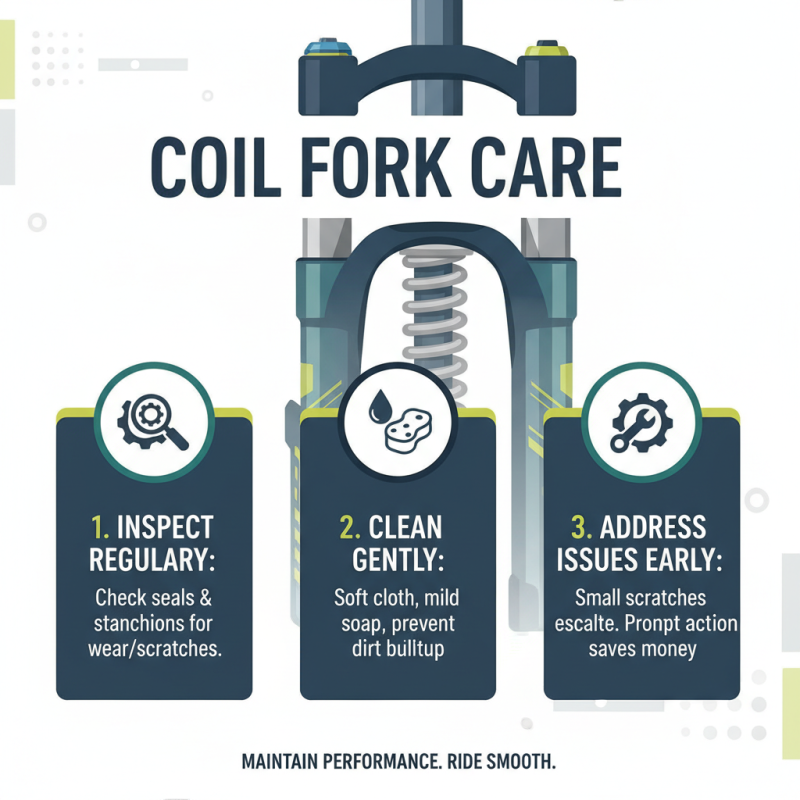
The market pulse shows clear preferences. Riders favor forks with straightforward maintenance needs. Complex systems can lead to frustration and downtime. Many models still require regular servicing, which can deter entry-level users. Understanding these choices helps riders select a fork that fits their style. It's a journey of trial and error, and even seasoned cyclists may rethink their choices after specific rides.
Comparing Coil Forks with Air Forks: Pros and Cons
When comparing coil forks and air forks, it’s essential to consider their distinct advantages and drawbacks. Coil forks utilize metal springs for suspension, providing a consistent feel during rides. Many riders appreciate their durability. Reports indicate they are less likely to fade in performance over time. However, coil forks can be heavier due to the spring materials. They may not offer the fine-tuning capabilities that some advanced riders seek.
On the other hand, air forks provide adjustable air pressure for customization. This feature allows riders to dial in their setup for different terrains. According to a survey conducted by the Mountain Bike Association, 65% of riders preferred air forks for their lightweight design. Nonetheless, air forks have a tendency to lose pressure and may require frequent maintenance. New riders might find them challenging to adjust properly. Choosing the right fork depends on individual riding styles and preferences, and it’s crucial to evaluate these factors carefully before making a decision.